Chasing Starlight on Namibia's Skeleton Coast: A...
The skeletal remains of a massive whale lie half-buried in the ochre sand near the churning Atlantic, a poignant reminder of the unforgiving nature of the Skeleton Coast. Stretching towards the horizon are seemingly infinite gravel plains, shimmering under the relentless Namibian sun. This stark landscape, where life and death dance in a perpetual ballet, called to me as a photographer, promising unique challenges and unparalleled beauty. My recent trip to Namibia's Skeleton Coast was a journey into the extremes, a test of both my skills and my equipment, and an experience that indelibly etched itself onto my soul. This is my story, a photographer's account of capturing the spirit of this wild and captivating land, and my ultimate guide to astrophotography in this unique location.
The Hoanib River: A Photographer's Trial by Sand
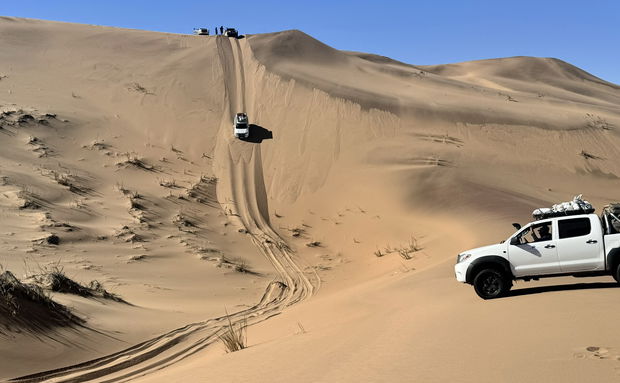
The Hoanib River bed, a ribbon of life winding through the desolate landscape, presented a unique set of challenges. It's not just about the heat or the isolation; it's the fine, pervasive sand that becomes your constant companion, and your camera's greatest enemy. Battling sensor dust with every lens change, constantly adjusting for lens flare in the blinding light, and meticulously shielding my equipment from the ever-present sand and dust became a daily ritual. Each click of the shutter felt like a small victory against the elements. A 4x4 photography adventure down the Hoanib River in Namibia is the best way to experience it.
The sheer act of changing lenses became a calculated risk. I learned to find sheltered spots, using my body and the vehicle as a shield. Even then, I would hold my breath, swiftly swapping lenses, hoping that the internal mechanisms of my camera weren’t slowly being ground to a halt by the invading sand. It truly is a race against time.
Cape Cross: An Overwhelming Sensory Assault
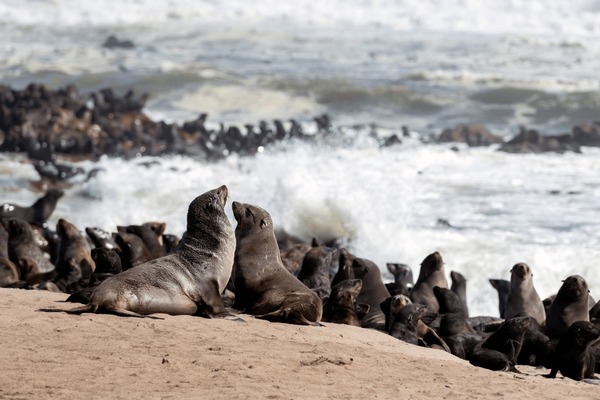
Cape Cross Seal Reserve photography is truly an experience. Imagine standing amidst over 200,000 Cape Fur Seals during pupping season. The deafening cacophony of barks and cries, combined with the pungent, overwhelming smell of ammonia, is an assault on the senses. It's nature at its most primal, raw, and untamed. Witnessing the raw territorial disputes between colossal bull seals, vying for dominance, is both awe-inspiring and slightly terrifying. You'll want to bring a zoom lens for the best shots here!
The challenge here was twofold: navigating the sheer mass of seals while respecting their space, and capturing the essence of this chaotic scene without being overwhelmed by it. I found myself focusing on the individual stories unfolding within the larger spectacle – a mother nuzzling her pup, a young seal testing its flippers in the surf, a battle-scarred bull defending his territory. Getting those intimate shots required patience, a good telephoto lens, and a strong stomach. It is truly worth the experience.
Stargazing in Namibia: When to Chase the Dark
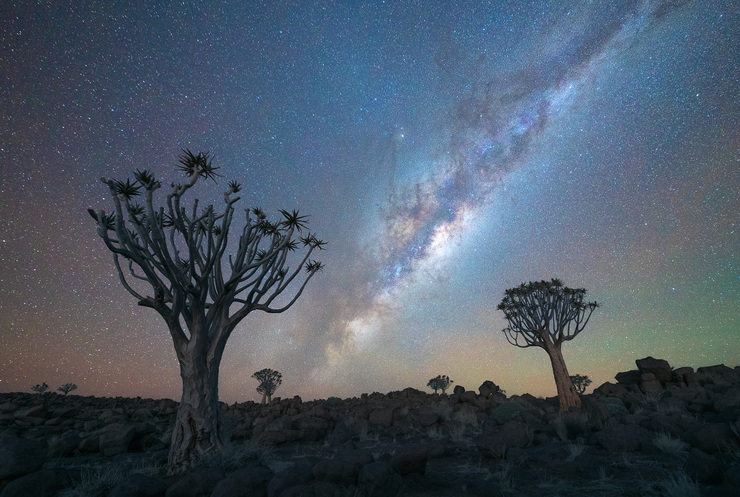
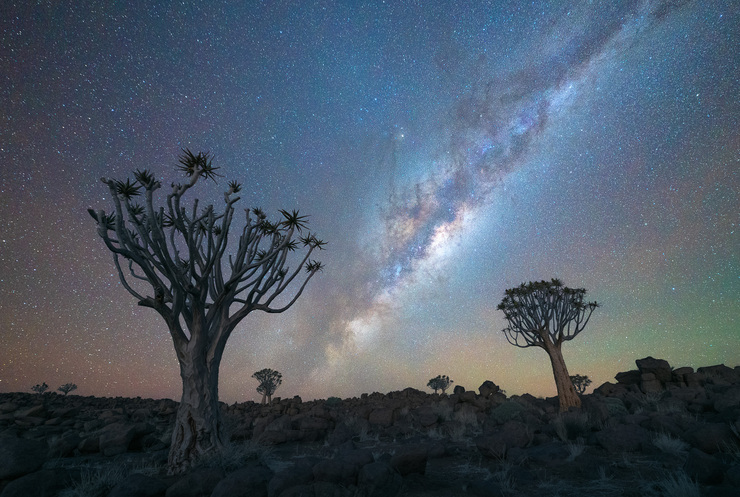
Namibia stargazing photography offers unparalleled opportunities. One of the biggest draws of the Skeleton Coast is its incredibly dark skies, far from any significant light pollution. But capturing the Milky Way in all its glory requires careful planning and an understanding of the lunar cycle. The darkest nights, ideal for astrophotography, occur during the new moon phase. Plan your trip accordingly to minimize light pollution and maximize your chances of capturing stunning images of the cosmos.
The NamibRand Nature Reserve Astrophotography Guide provides detailed information and is a key location. You'll want to familiarize yourself with the best astrophotography locations near Swakopmund for your best chances. Knowing where the Milky Way will arc across the sky at different times of the year is also crucial. Apps like PhotoPills can be invaluable in planning your shots, allowing you to visualize the position of celestial objects in advance. What camera settings for night photography in Namibia will give you the best results? Typically, you'll want a wide aperture (f/2.8 or wider), a high ISO (3200 or higher), and a long exposure time (15-30 seconds).
The Eduard Bohlen: A Haunting Relic
Photographing shipwrecks on the Skeleton Coast is a unique opportunity. The rusted hull of the Eduard Bohlen, a German freighter that ran aground in 1909, stands as a haunting monument to maritime misfortune. Now beached kilometers inland, its isolation emphasizes the relentless power of the desert. To truly capture its forlorn beauty, I utilized drone photography, framing the decaying vessel against the endless expanse of sand.
The drone offered a perspective that simply wasn't possible from the ground, accentuating the ship's isolation and its stark contrast to the surrounding environment. However, flying a drone in the Skeleton Coast presents its own set of challenges. Strong winds are common, and the fine sand can easily damage the drone's delicate components. It's crucial to check the wind conditions before flying and to take extra precautions to protect your equipment. What are the best times to photograph shipwrecks on the Skeleton Coast? The golden hours, just after sunrise and before sunset, provide the most dramatic lighting, casting long shadows and highlighting the textures of the rusted hull.
A Taste of Namibia: The Damara Potjie
No trip to Namibia is complete without experiencing the local cuisine. And for me, that meant indulging in a Damara potjie. Imagine tender chunks of springbok or kudu, slow-cooked in a cast-iron pot with hearty root vegetables and aromatic dried herbs, found nowhere else but in Namibia. The smoky, earthy flavors are a true taste of the African wilderness, a culinary journey as captivating as the landscapes themselves. You can easily capture the beauty of this local dish for some Namibia Cuisine & Photography.
The best potjies are cooked over an open fire, the smoky aromas mingling with the scent of the desert air. It's a communal experience, shared with friends and fellow travelers, a celebration of the land and its bounty. The slow-cooking process tenderizes the meat and infuses it with flavor, creating a dish that is both hearty and deeply satisfying.
Essential Gear for the Skeleton Coast Photographer
Photographing in the Skeleton Coast demands specialized equipment. A heavy-duty tripod is essential for sharp images in windy conditions. Invest in a robust camera bag designed to protect your gear from sand. Pack a comprehensive lens cleaning kit and a portable power bank to keep your equipment running during extended shooting sessions. You need to know how to protect camera gear in Skeleton Coast sand.
Beyond the basics, consider these additional items:
- Sensor cleaning kit: Dust is inevitable, so be prepared to clean your sensor regularly.
- Rain cover: While rain is rare, sudden downpours can occur.
- GPS: Essential for navigating the vast, featureless landscape.
- Satellite phone: Cell service is unreliable, so a satellite phone is crucial for emergencies.
The Soundtrack to My Adventure
Music has the ability to transport us back to a specific time and place, and for me, the sounds of traditional Nama flutes and Khoisan percussion are forever linked to my experience on the Skeleton Coast. While editing, I immersed myself in these haunting melodies, allowing them to evoke the vastness of the landscape and the resilience of its people. These are the sounds of the ancestors.
This music helped to reconnect me with the emotions I felt while photographing in this extraordinary environment, ensuring that the final images truly captured the spirit of the Skeleton Coast. Find your personal connection.
Planning Your Own Skeleton Coast Photography Trip: Practical Tips
Planning a photography trip to the Skeleton Coast requires careful preparation. Here are a few practical tips to help you make the most of your adventure:
- Secure Permits: Access to certain areas of the Skeleton Coast National Park requires permits, so be sure to obtain these in advance.
- Hire a Local Guide: A knowledgeable guide can provide invaluable assistance with navigation, wildlife spotting, and permit requirements. They can help you to navigate the 4x4 driving in Namibia.
- Pack Appropriate Clothing: Be prepared for extreme temperature fluctuations, from scorching daytime heat to freezing nighttime cold. Layers are key.
- Be Self-Sufficient: The Skeleton Coast is a remote and unforgiving environment, so it's essential to be self-sufficient with food, water, and fuel. How challenging is the 4x4 driving on the Hoanib River? It's definitely difficult, so consider being prepared for the unexpected.
- Practice Responsible Tourism: Respect the fragility of the environment and minimize your impact on the local ecosystem. What photography ethical considerations need to be considered for the Skeleton Coast?
Why is it called the Skeleton Coast?
Why is the Skeleton Coast called the Skeleton Coast? It earns its ominous name from the countless shipwrecks and whale skeletons that litter its shores, grim reminders of the perils faced by those who dared to venture into this unforgiving realm. These skeletal remains, bleached white by the sun and sandblasted by the wind, serve as a testament to the raw power of nature and the vulnerability of human endeavors. The coast also has a rather bleak and sad history, from the dangers of the unpredictable tides to the fierce wildlife.
Conclusion: A Journey Worth Taking
My journey to the Skeleton Coast was a challenging but ultimately rewarding experience. It tested my skills, pushed my equipment to its limits, and left me with a profound appreciation for the raw beauty and untamed spirit of this extraordinary landscape. Capturing the Milky Way arching over the Eduard Bohlen shipwreck was a moment I will never forget, a testament to the power of perseverance and the magic of the night sky. If you're a photographer seeking a truly unique and unforgettable adventure, I urge you to consider a trip to Namibia's Skeleton Coast. Just be prepared for a little sand in your camera gear.
Ready to embark on your own photographic adventure? Book your Skeleton Coast Photography Tour today! Explore our Skeleton Coast Photography Tour Packages for incredible offers and experience a trip of a lifetime.