Chasing Starlight on Namibia's Skeleton Coast: A...
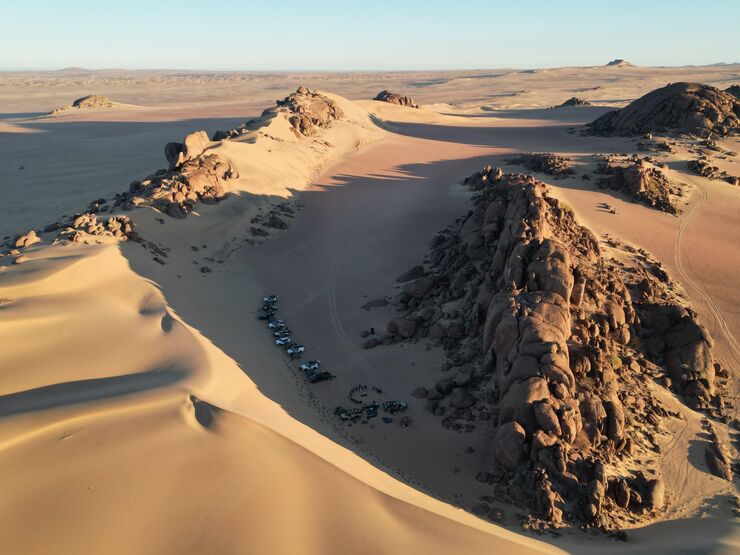
Namibia's Skeleton Coast. The name itself evokes images of desolate beauty, where the unforgiving Atlantic Ocean relentlessly clashes with towering orange sand dunes and seemingly endless gravel plains. As an astrophotographer, I'm perpetually searching for the world's darkest skies and most dramatic landscapes, and the Skeleton Coast promised both in abundance. This is the story of my recent journey into this stark, surreal realm, a place where the silence is broken only by the roar of the ocean and the whisper of the wind, and where the night sky explodes with a brilliance I've rarely witnessed. This Skeleton Coast photography guide details the best locations, challenges, and tips for those seeking to capture its unique beauty.
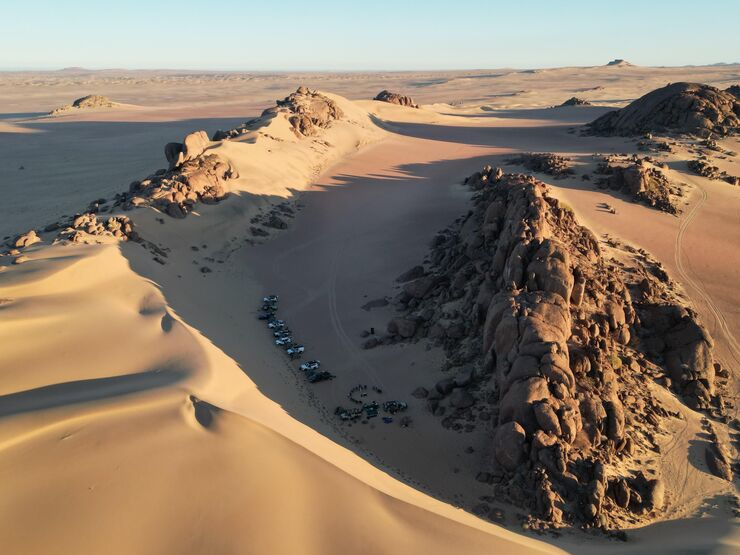
This image captures the sun setting over the Skeleton Coast, illustrating the dramatic contrast between the vibrant colors of the sky and the harsh, unforgiving landscape, which is a key element of what makes this region so photographically compelling.
First Glimpses: Spitzkoppe and the Desert Landscape
My adventure began inland, near the iconic geological formation known as Spitzkoppe. Rising dramatically from the flat desert floor, these granite peaks offer a striking silhouette, especially during sunrise and sunset. The warm, golden light painted the rocks in breathtaking hues, providing the perfect start to my Namibian landscape photography experience. We also took some time here to dial in our equipment before moving on to the coast.
4x4 Adventure Along the Hoanib River Bed
One of the most exhilarating experiences was a guided 4x4 adventure along the Hoanib River bed. This ephemeral river carves a path through the towering dunes, creating a surreal landscape of soft sand and dramatic vistas. The challenges of navigating this terrain were immense – steep inclines, shifting sands, and the constant threat of getting bogged down. But the unique perspectives it provided for landscape photography were unparalleled. The feeling of driving amongst those towering dunes, dwarfed by their sheer scale, was both humbling and awe-inspiring. This Skeleton Coast 4x4 adventure revealed landscapes unseen from main roads.
Tips for Photographers:
- Tire Pressure: Reduce your tire pressure for better traction in the sand.
- Recovery Gear: Carry essential recovery gear like a shovel, traction boards, and a tow rope.
- GPS Navigation: A reliable GPS is crucial, as the landscape can be disorienting.
Witnessing Life: Cape Cross Seal Reserve
A stark contrast to the desolate dunes was the Cape Cross Seal Reserve, particularly during the pupping season (November/December). The sheer scale of the seal colony is overwhelming – tens of thousands of seals jostling for space on the beach, creating a cacophony of barks and bleats.
This image of the Cape Cross seal colony during pupping season captures the immense scale of the population, highlighting the challenge of capturing wildlife photos in such a dense and chaotic environment. Note the limited visibility due to haze.
Photographic Challenges:
- Overwhelming Scale: Finding a focal point within the chaos can be difficult.
- Harsh Light: The sun can be intense, creating harsh shadows.
- Odor: Be prepared for the strong smell of the seal colony.
Tips for Namibia Wildlife Photography:
- Long Lens: A telephoto lens (200mm or longer) is essential for capturing close-up shots without disturbing the seals.
- Fast Shutter Speed: Use a fast shutter speed to freeze the action.
- Patience: Allow time to observe and anticipate interesting behaviors.
Stargazing in the NamibRand Nature Reserve
Away from the coast, inland in the NamibRand Nature Reserve, I found the dark skies I had been dreaming of. This internationally recognized Dark Sky Reserve offers exceptional conditions for astrophotography, with minimal light pollution. The Milky Way blazed across the sky, a river of light punctuated by countless stars. The Southern Cross was a prominent beacon, and the Magellanic Clouds, those faint, irregular galaxies, were clearly visible to the naked eye. This area represents one of the best locations to do Namibia star photography.
Camera Settings for Astrophotography:
- Aperture: f/2.8 (or wider if your lens allows) – to let in as much light as possible.
- ISO: 3200-6400 – adjust based on your camera's performance and the amount of light pollution.
- Shutter Speed: 15-30 seconds – depending on your lens's focal length and whether you're using a star tracker.
- Star Tracker: Using a star tracker allows for longer exposures without star trails, resulting in brighter and more detailed images. It is a necessary piece of equipment for Skeleton Coast astrophotography.
Long Exposure Settings:
Experimenting with long exposure settings is crucial for capturing starlight imagery. I used bulb mode and a remote shutter release to control exposures lasting several minutes, blending the subtle glow of the stars with the dark silhouettes of the dunes. This helps to reveal fainter details in the night sky and create a dreamlike atmosphere.
Best Time to Visit Skeleton Coast:
The optimal time for stargazing is during the dry season (May to October), when the skies are clearest and there is minimal cloud cover. The new moon phase offers the darkest skies.
Sandboarding Down Dune 7
For an adrenaline rush, I couldn't resist sandboarding down Dune 7, one of the highest dunes in the Namib Desert. Soaring down the steep slope was an exhilarating experience, the wind whipping in my face and the sand spraying in every direction. Capturing action shots in the sand proved to be a challenge. The sand gets everywhere, and it's hard to hold a camera steady while hurtling down a dune.
Exploring the Ghost Town of Kolmanskop
Kolmanskop, a diamond mining ghost town swallowed by the desert, offered a surreal and haunting photographic experience. Walking through the decaying buildings, with sand dunes encroaching on every room, was like stepping back in time. The isolation was palpable, a sense of abandonment lingering in the air. The photographic opportunities were endless, with the interplay of light and shadow creating dramatic scenes within the crumbling walls. Ghost Towns Namibia photography is unmatched in unique landscapes.

This photograph shows the Kolmanskop ghost town, showcasing the surreal atmosphere and photographic possibilities presented by the decaying structures and sand-filled rooms, illustrating a key attraction for photographers.
Shipwreck Photography Along the Coast
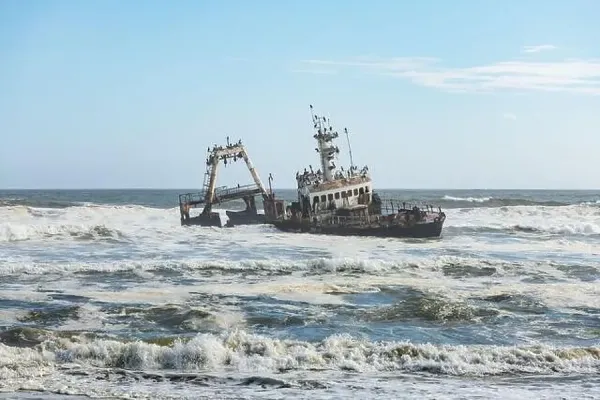
The Skeleton Coast is littered with the remnants of shipwrecks, a testament to the treacherous nature of these waters. Photographing these weathered wrecks, with their rusting hulls and broken masts, was a poignant experience. Each shipwreck tells a story of maritime misfortune, a reminder of the power of the ocean. Documenting ethical Skeleton Coast Photography and respecting these sites is important.
Namibian Cuisine: A Taste of the Desert
The rugged environment of Namibia has shaped its cuisine. I savored the unique flavors of Oryx steak, tender and flavorful, and indulged in Biltong, a dried, cured meat that's perfect for snacking on the go. I also enjoyed Damara potjie, a traditional stew cooked in a cast-iron pot over an open fire. And of course, no Namibian experience is complete without sampling Tafel Lager, the locally brewed beer.
Planning Your Trip: Tips for Photographers
- Optimal Times: The dry season (May to October) offers the best weather for both landscape and astrophotography.
- Necessary Equipment: A sturdy tripod, a wide-angle lens (14-24mm), a telephoto lens (70-200mm or longer), a star tracker (for astrophotography), and plenty of memory cards are essential.
- Safety Precautions: Driving in the desert can be dangerous. Travel in a group, carry plenty of water and supplies, and inform someone of your itinerary.
Call to Action: Experience the Skeleton Coast
The Skeleton Coast is a place that will stay with you long after you leave. It's a land of stark beauty, dramatic landscapes, and unparalleled dark skies. I encourage you to experience it for yourself. But as you explore this unique ecosystem, remember its fragility. Travel responsibly, respect the environment, and help preserve this incredible place for future generations. Consider booking a Sustainable Skeleton Coast Tour and witness the wonder of the Skeleton Coast!