Chasing Starlight: Astrophotography Adventures i...
The allure of astrophotography lies in its ability to capture the ethereal beauty of the cosmos, transforming the night sky into a breathtaking tapestry of light and color. When combined with the dramatic landscapes of the world’s most stunning deserts, the result is a truly unforgettable experience. Imagine standing beneath a canopy of stars, the Milky Way stretching across the sky like a river of light, with towering sand dunes or ancient rock formations as your foreground. These unique environments offer unparalleled opportunities for amateur to semi-professional astrophotographers, thanks to their minimal light pollution and dramatic geological features. But with this privilege comes a responsibility: the preservation of these precious dark skies for future generations. One of the best places to get started is by booking astrophotography desert tours.
Namib Desert, Namibia: Dunes Under the Milky Way
Geological and Astronomical Significance
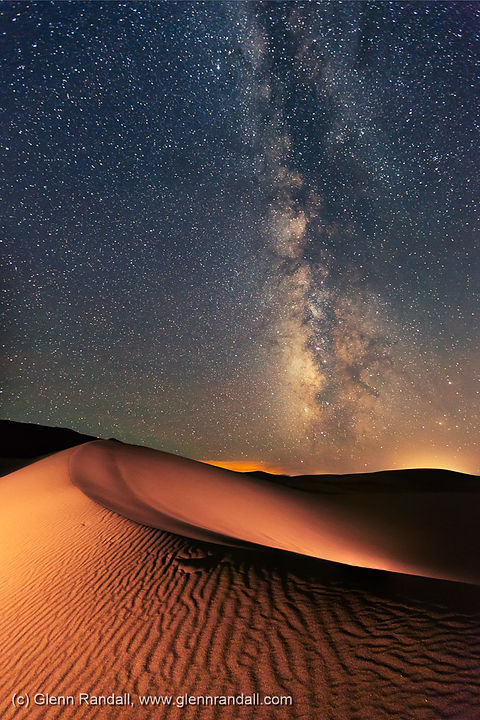
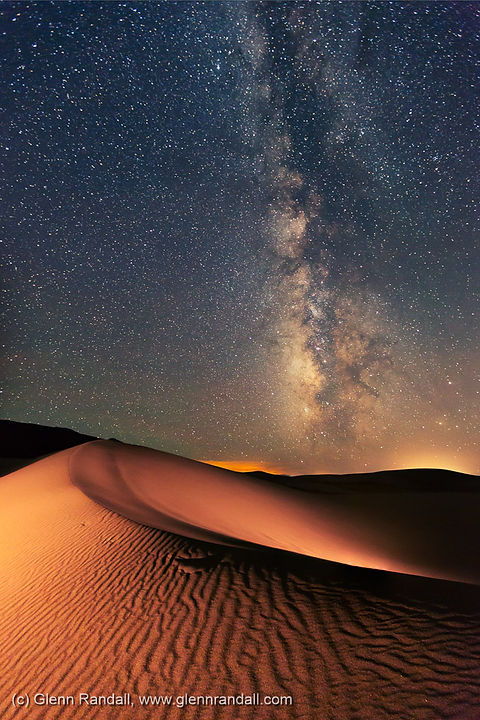
The Namib Desert, one of the oldest and darkest deserts on Earth, offers an astrophotography experience unlike any other. Its towering sand dunes, sculpted by millennia of wind and time, provide unique foregrounds for capturing the majestic arc of the Milky Way. The remoteness of this location translates to exceptionally low levels of light pollution, allowing the faintest stars to shine through. The NamibRand Nature Reserve, in particular, is a designated dark sky reserve, actively working to maintain its pristine night skies.
Astrophotography Techniques
To capture the full glory of the Milky Way over the Namib dunes, long exposure photography is essential. A long exposure will allow your camera to gather enough light to reveal the intricate details of the galactic core. Consider using a star tracker for extended exposures, enabling you to capture even more detail without star trailing. A compelling technique involves blending a foreground shot taken at twilight with a longer exposure of the night sky. This ensures both the stars and the landscape are well-exposed.
Equipment Recommendations
For astrophotography in the Namib Desert, a few key pieces of equipment will greatly enhance your results:
- Wide-angle Lens: The Sigma 14mm f/1.8 DG HSM Art is an excellent choice for capturing the vastness of the sky. Sigma 14mm f/1.8 DG HSM Art
- Sturdy Tripod: A reliable tripod is crucial for long exposures. The Peak Design Travel Tripod is lightweight yet incredibly stable. Peak Design Travel Tripod
- Star Tracker: The iOptron SkyGuider Pro allows for longer exposures without star trailing, revealing fainter details in the night sky. iOptron SkyGuider Pro
Guided Tours/Workshops
For a seamless and enriching astrophotography experience in Namibia, consider joining a guided tour. Namibia Astro Tours offers specialized astrophotography tours focusing on the Namib Desert, providing expert guidance and access to prime locations. Namibia Astro Tours
Light Pollution
The NamibRand Nature Reserve’s dark sky status is a testament to the importance of responsible lighting practices. When visiting this area, be mindful of your own light usage, minimizing any potential light pollution.
Call to Action
Share your Namib Desert astrophotography images on Instagram using the hashtag #NamibStarscapes.
Mojave Desert, California, USA: Joshua Trees and Star Trails
Geological and Astronomical Significance
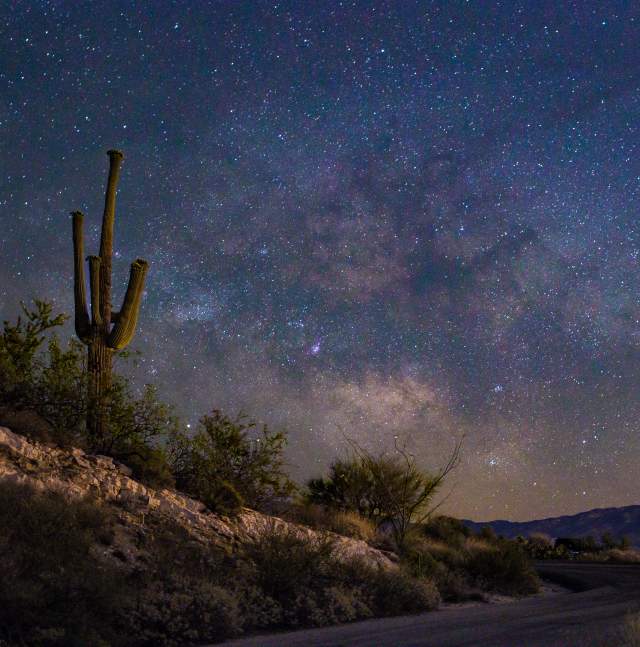
The Mojave Desert, with its unique landscape of Joshua Trees and vast open spaces, offers accessible dark sky locations within a reasonable driving distance from major cities in California and Nevada. The iconic Joshua Trees provide incredible silhouettes against the night sky, perfect for creating captivating astrophotography compositions. Efforts are underway to protect dark skies around Joshua Tree National Park, aiming to preserve this natural wonder for generations to come. Be sure to look for desert astrophotography workshops to help with this.
Astrophotography Techniques
Star trail images are a classic way to capture the beauty of the Mojave night sky. These can be created using long exposures or by stacking multiple shorter exposures together. Experiment with capturing silhouetted Joshua Trees against the swirling patterns of star trails. Another effective technique is light painting, where you subtly illuminate the foreground with a red light headlamp to add depth and interest.
Equipment Recommendations
Here’s some equipment to consider for astrophotography in the Mojave Desert:
- Intervalometer: The Vello ShutterBoss II Timer Remote Switch allows for precise control over long exposures and interval shooting. Vello ShutterBoss II Timer Remote Switch
- Mid-Range Zoom Lens: The Tamron 24-70mm f/2.8 Di VC USD G2 offers versatility for capturing both wide landscapes and tighter compositions. Tamron 24-70mm f/2.8 Di VC USD G2
- Headlamp with Red Light: A headlamp with a red light setting is essential for navigating the darkness while preserving your night vision.
Guided Tours/Workshops
If you’re new to astrophotography, consider joining a beginner-friendly workshop in Joshua Tree. Joshua Tree Dark Sky Photography Workshops offer hands-on instruction and guidance for capturing stunning images of the night sky. Joshua Tree Dark Sky Photography Workshops
Light Pollution
Light pollution can be a challenge in certain areas of the Mojave Desert due to nearby urban areas. Be mindful of your own light usage and consider visiting locations further away from major cities. The International Dark-Sky Association’s Mojave Desert chapter is working to combat light pollution in the region. International Dark-Sky Association's Mojave Desert chapter
Call to Action
Share your Mojave Desert astrophotography images on Instagram using the hashtag #MojaveNight.
Wadi Rum, Jordan: Martian Landscapes Under the Stars
Geological and Astronomical Significance
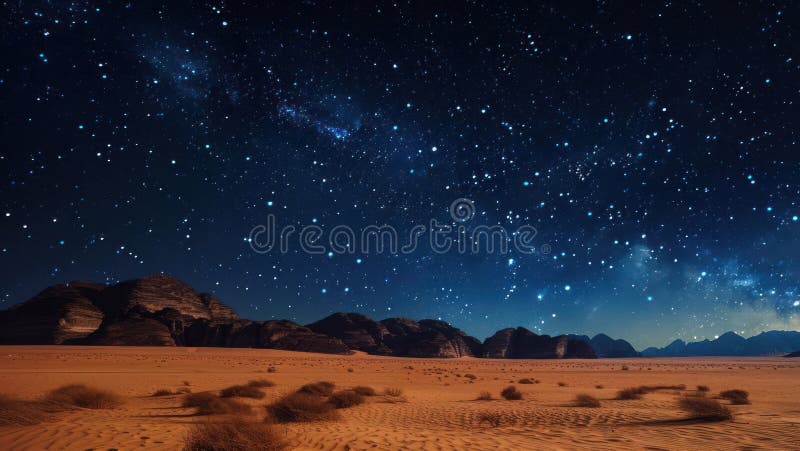
Wadi Rum, a protected desert wilderness in Jordan, presents a surreal landscape of dramatic sandstone mountains and canyons. Its remoteness and pristine dark skies offer incredible opportunities for astrophotography. The otherworldly terrain, often likened to the surface of Mars, creates a unique and captivating backdrop for capturing the beauty of the cosmos. The location provides stunning areas with dark sky desert locations.
Astrophotography Techniques
Capture panoramic images of the Milky Way stretching across the vast Wadi Rum landscape. Use a telephoto lens to compress the perspective and emphasize the scale of the mountains against the night sky. For those with more advanced equipment, explore deep-sky astrophotography with a small telescope to reveal distant galaxies and nebulae.
Equipment Recommendations
Here’s some recommended equipment for astrophotography in Wadi Rum:
- Lightweight Travel Tripod: The Manfrotto Befree Advanced is a compact and sturdy tripod, perfect for travel. Manfrotto Befree Advanced
- Telephoto Zoom Lens: The Sony FE 70-200mm f/2.8 GM OSS is a versatile lens for capturing detailed shots of the landscape and the night sky. Sony FE 70-200mm f/2.8 GM OSS
- Portable Power Bank: A portable power bank is essential for keeping your camera and other equipment charged during long nights in the desert.
Guided Tours/Workshops
For an unforgettable astrophotography experience in Wadi Rum, consider joining an overnight tour with Rum Stars Astrophotography Tours. They offer expert guidance and access to the best locations for capturing stunning images of the night sky. Rum Stars Astrophotography Tours
Light Pollution
Wadi Rum boasts relatively low levels of light pollution, thanks to its remote location and the efforts of local communities to maintain the dark skies.
Call to Action
Share your Wadi Rum astrophotography images on Instagram using the hashtag #WadiRumStars.
Conclusion
Each of these desert locations – the Namib, the Mojave, and Wadi Rum – offers unique and unforgettable astrophotography opportunities. From the towering dunes of Namibia to the iconic Joshua Trees of California and the Martian landscapes of Jordan, these deserts provide breathtaking backdrops for capturing the beauty of the night sky. Remember the importance of dark sky preservation and responsible astrophotography practices as you plan your own desert astrophotography adventure.
Resources
- NASA Astrophotography: NASA's astrophotography website
- Lonely Speck Astrophotography Tutorials: Relevant articles on sites like Lonely Speck
Don't forget to check the lunar phase before planning your trip! A new moon offers the darkest skies for optimal astrophotography.