Chasing Light and Shadows: My Okavango Delta Wil...
The Okavango Delta. Just the name conjures up images of pristine wilderness, teeming with life and bathed in golden light. As an avian photographer from Nairobi, specializing in capturing the beauty of African birds, I've dreamt of photographing this unique ecosystem for years. Recently, that dream became a reality. I embarked on a transformative week-long wildlife photography workshop in the heart of the Okavango, led by the renowned Botswana wildlife photographer, Grant Atkinson, to hone my skills and capture the delta's avian wonders. This trip was more than just a workshop; it was an immersion into a world of breathtaking landscapes and unforgettable experiences. Prepare to dive into my adventure and discover why an Okavango Delta photography tour should be on every photographer's bucket list.
Learning from a Master: The Grant Atkinson Workshop Experience
The workshop, expertly curated by Grant Atkinson, was structured to challenge and inspire. It went beyond the basics, delving into the nuances of photographing birds in flight, mastering the art of capturing reflections in water, and reinforcing sustainable wildlife photography Botswana practices. Grant emphasized the importance of ethical wildlife photography, ensuring minimal disturbance to the animals and their habitat.
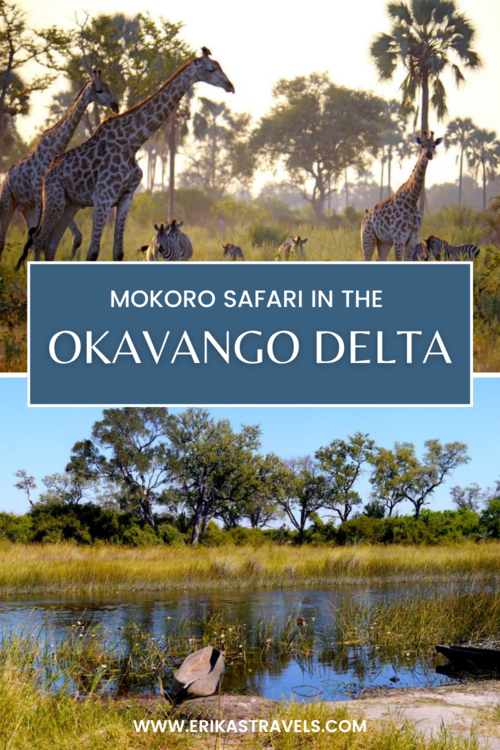
Our days were packed with diverse activities. Early mornings meant mokoro safari photography experience through the delta's intricate channels. Gliding silently through the water in these traditional dugout canoes, we focused on capturing the vibrant colors of the African Jacana, with its elongated toes allowing it to walk on lily pads, and the iridescent plumage of the Malachite Kingfisher as it darted across the water. The quietness of the mokoro allowed us to get remarkably close without disturbing the birds.
Walking safaris offered a different perspective, allowing us to explore the floodplains and learn to identify a variety of bird species. Grant’s expert guidance proved invaluable as we sought out the elusive Pel's Fishing Owl, a master of camouflage. Patience and keen observation were key to spotting this nocturnal predator during daylight hours.
Night drives, utilizing red-filtered spotlights, opened up a whole new world of photographic opportunities. We were fortunate enough to photograph the majestic Verreaux's Eagle-Owl, its piercing yellow eyes reflecting in the beam, a truly unforgettable experience.
Classroom sessions were equally insightful. Grant covered essential topics like composition techniques, mastering light metering in challenging conditions, and the strategic use of different lenses for wildlife photography. We learned how to effectively utilize telephoto lenses to capture distant birds and wide-angle lenses to create stunning landscape shots with birds in the foreground.
Culinary Delights: A Taste of Botswana
The workshop wasn't just about photography; it was also about experiencing the local culture. Our food experiences were a highlight, offering a delicious taste of Botswana.
Imagine waking up to the smell of bacon sizzling over an open fire in the middle of the Okavango Delta. Our bush breakfasts were a feast for the senses, with freshly cooked eggs, crispy bacon, and savory sausage enjoyed under the vast African sky. The sheer novelty of the location made each meal an adventure.
At the lodge, we savored traditional Setswana dishes like Seswaa, a flavorful pounded beef dish, and Morogo, a nutritious wild spinach. These authentic culinary experiences provided a deeper connection to the region and its people.
A Photographer's Paradise: The Okavango Delta Landscape
The Okavango Delta is a photographer's dream. Its unique landscape, shaped by the annual floods, offers endless possibilities for capturing stunning images. The delta's intricate network of channels, lagoons, islands, and floodplains creates a diverse tapestry of habitats, each teeming with wildlife.
The annual floods, driven by rainfall in the Angolan highlands, dramatically transform the landscape. As the water spreads across the delta, it attracts massive concentrations of wildlife, creating unique photographic opportunities. We witnessed incredible scenes of elephants wading through the water, herds of zebras grazing on the floodplains, and countless birds congregating along the water's edge.
The light in the Okavango is simply magical. The best time for Okavango Delta photography is often said to be during the golden hour, when the soft, warm light bathes the landscape in a golden glow. We captured dramatic silhouettes against the setting sun, creating stunning images that showcased the delta's beauty. Overcast days, while seemingly less ideal, provided soft, diffused light perfect for capturing close-up portraits of birds, highlighting their intricate details.
The reflections on the water added another dimension to our photography. The mirror-like surface of the lagoons created stunning symmetrical compositions, doubling the beauty of the landscape and its inhabitants. Mastering the art of capturing these reflections was a key focus of the workshop.
Photographic Equipment and Techniques
As a professional photographer, I always come prepared. My go-to setup for this trip was my Canon EOS R5, paired with my trusty Canon EF 100-400mm f/4.5-5.6L IS II USM lens. This combination offered the reach and versatility I needed to photograph birds in various situations. A sturdy tripod was essential for capturing sharp images, especially in low light conditions.
Capturing stunning wildlife images requires mastering several photographic techniques. Adjusting aperture, shutter speed, and ISO settings is crucial for achieving the desired effect. For birds in flight, a fast shutter speed is essential to freeze the action. In low light, a wider aperture and higher ISO are necessary to capture enough light. Understanding the relationship between these settings is key to capturing the best images in challenging lighting conditions. I’ve found that practicing back home allows me to better anticipate the needs of the environment while in a new locale. The best lenses for avian photography in the Okavango Delta really depends on the type of shot you're seeking.
Ethical Considerations: Respecting the Wildlife and the Land
Ethical wildlife photography workshops Okavango Delta are crucial. It's vital to remember that we are guests in this incredible ecosystem. Maintaining a safe distance from wildlife is paramount, as is avoiding any disturbance to nesting sites. Respecting local culture and traditions is also essential. I am committed to responsible wildlife photography, ensuring that my images contribute to conservation efforts and promote respect for the natural world.
A Vision for Conservation: A Time-Lapse Video
I left the Okavango Delta with a renewed sense of inspiration and a burning desire to share its beauty with the world. I'm currently developing a concept for a short time-lapse video showcasing the beauty and fragility of this unique ecosystem.
The video will capture the changing seasons, the dramatic annual floods, and the mesmerizing movement of wildlife across the landscape. My goal is to highlight the critical conservation efforts needed to protect this invaluable ecosystem for future generations. Showcasing the Okavango Delta landscape photography tips I learned during the workshop would enhance the visual appeal.

The Okavango Delta is a treasure, a place where the beauty of nature is on full display. My wildlife photography experience there was truly transformative. For information on booking sustainable wildlife photography tours in Botswana and other African destinations, visit vistalocation.com.