Chasing Light and Shadows: An Atacama Desert Dia...
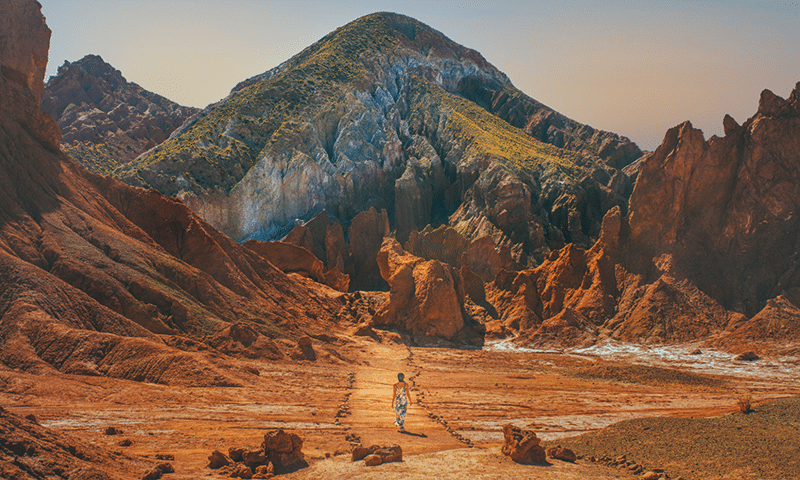
The Atacama Desert. Even the name whispers of a place beyond the familiar. A place where the earth stretches out in vast, cracked salt flats, and towering volcanoes pierce an impossibly blue sky. A land sculpted by wind and time, where the sun blazes with unfiltered intensity and the nights explode with a million stars. As a travel photographer in my early 30s, I've chased light across continents, but nothing prepared me for the surreal beauty of this Chilean jewel. This is my Atacama Desert diary, a journey through a landscape that redefined my perspective.
Adventures Under the Desert Sun
The Atacama isn’t just a visual feast; it’s an invitation to play. My first adventure took me to Valle de la Muerte (Death Valley), not for any morbid fascination, but for the thrill of sandboarding. Strapping my feet onto a board and launching myself down a towering dune felt liberating, the wind whipping past as I carved my way down the slope. The setting sun painted the sand in fiery hues, creating a silhouette I had to capture – a lone figure conquering the desert's slopes. If you're looking for a sandboarding Atacama Desert guide, make sure your chosen tour operator provides proper safety gear and instruction!
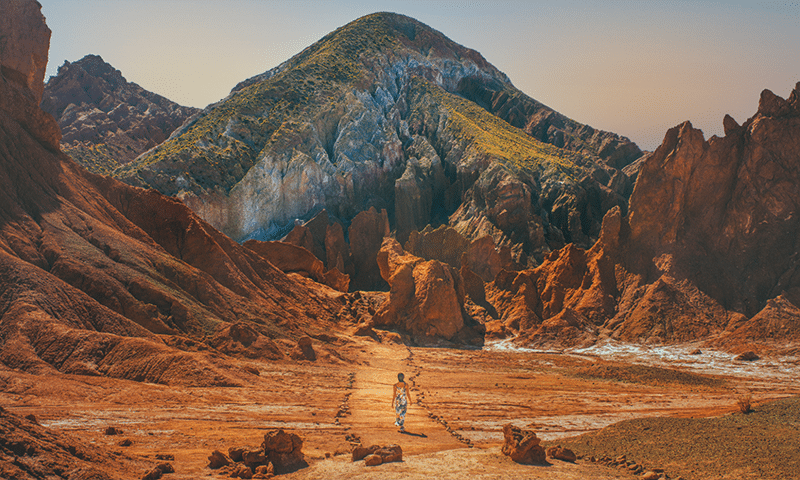
The next morning, I traded my board for hiking boots and ventured into the Rainbow Valley. This geological wonder is a testament to the earth's artistry, with layers of rock painted in vibrant shades of red, green, and yellow. The colors, caused by different mineral deposits, are most intense in the early morning light. It's a photographer's dream, a constantly shifting canvas of textures and hues. The key to capturing the best shots is patience and a keen eye for detail. What's the best time to visit Atacama Desert for photography? The shoulder seasons (spring and fall) offer pleasant temperatures and clear skies.
Celestial Wonders: Stargazing in the Atacama
One of the primary reasons I chose the Atacama was for its unparalleled stargazing photography opportunities. With virtually no light pollution and extremely dry air, the desert offers some of the clearest night skies on the planet. I booked an astrophotography tour, and it was an experience that humbled me. The sheer number of stars visible to the naked eye was overwhelming, a glittering tapestry stretched across the inky blackness. It’s easy to understand that Atacama Desert stargazing photography is one of the most in-demand attractions.
But the highlight was undoubtedly my visit to the ALMA Observatory. This international partnership operates a series of massive radio telescopes, peering into the universe's deepest secrets. In layman's terms, ALMA allows scientists to study the formation of stars and planets by detecting the faint radio waves emitted by these celestial bodies. Standing in the shadow of these immense structures, bathed in the light of the Milky Way, I felt an incredible sense of insignificance and wonder.
For all the photographers who wish to visit, be sure to look into ALMA Observatory Photography tips ahead of your visit to make the most of your trip.

Where to photograph Milky Way in Atacama Desert?
The ALMA Observatory is incredible, but requires specific permission. Other great spots are the Valle de la Luna and around the Lagunas Altiplánicas.
Flavors of the Desert: Culinary Discoveries
Beyond the landscapes and celestial wonders, the Atacama also surprised me with its unique culinary offerings. The Atacama Desert food tour San Pedro is an adventure in itself! Chilean cuisine in this region is hearty and flavorful, reflecting the harsh environment and the ingenuity of the Atacameño people. I tried Patasca, a traditional stew made with hominy, potatoes, and meat – the perfect fuel for a day of exploring.
Quinoa is a staple ingredient, used in everything from salads to stews. I had a particularly memorable dining experience at Bofedal Cocina Andina. This restaurant is committed to using sustainable, locally-sourced ingredients, showcasing the best of the region's produce. Their quinoa dishes, adorned with native herbs, were both beautiful and delicious.
Sustainable dining
Support local restaurants committed to sustainability and responsible sourcing.
Sunrise Spectacle: Tatio Geysers
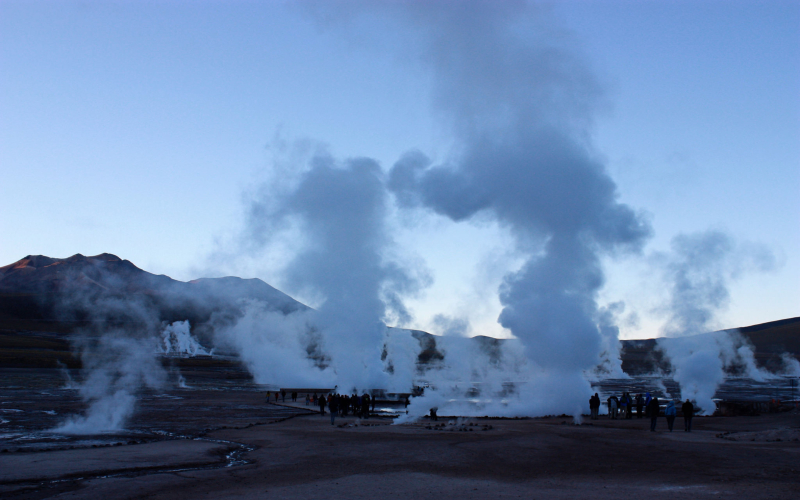
Waking up before dawn is never easy, but the promise of the Tatio Geysers was enough to drag me out of bed. Located at an altitude of over 4,300 meters (14,000 feet), El Tatio is one of the highest geyser fields in the world. The early morning chill was biting, but as the first rays of sun touched the horizon, the landscape transformed into a surreal wonderland.
The geysers erupted with furious energy, shooting plumes of steam high into the air, creating a dramatic contrast against the backdrop of the Andes Mountains. Capturing the light and shadows, the textures of the steam, and the raw power of nature was an exhilarating experience. Be sure to get there early to get the best position to see the show! What's the best way to photograph Tatio Geysers? Use a wide-angle lens to capture the scale of the landscape and be mindful of the steam, which can fog up your lens.
How to avoid altitude sickness Atacama Desert photography trip?
Acclimatize gradually, drink plenty of water, and avoid strenuous activity upon arrival. Consider consulting your doctor about altitude sickness medication.
Preserving the Magic: Responsible Tourism in the Atacama
My journey through the Atacama Desert was an unforgettable experience, a reminder of the raw beauty and fragile nature of our planet. But the increasing popularity of this region also brings challenges. It's crucial that we travel responsibly, minimizing our impact on this delicate ecosystem and respecting the cultural heritage of the Atacameño people.
Support local businesses, choose eco-friendly tour operators, and be mindful of your water usage. Pack out all your trash and stay on marked trails to protect the fragile vegetation. Consider donating to organizations dedicated to desert conservation. Ethical tour operators Atacama Desert stargazing adventures can make a huge difference by minimizing environmental impact and supporting local communities.
The Atacama Desert is a place that stays with you long after you leave, and I hope that my photos and words have inspired you to experience its magic for yourself. But let's ensure that future generations can also marvel at this otherworldly landscape.
Before you visit, research eco-friendly tour operators and consider donating to organizations dedicated to desert conservation.