Chasing Light and Lions: An Ethical Safari at Si...
The dust swirled as the small bush plane touched down on the airstrip, painting the African savanna in a hazy golden light. Excitement, mixed with a touch of nervousness, bubbled within me. I, Alex Ramsey, a wildlife photographer driven by a passion for ethical and conservation-focused travel, was about to embark on a safari in the legendary Kruger National Park. I’d witnessed firsthand the devastating impact of unethical wildlife tourism – the stressed animals, the disrupted habitats, the blatant disregard for conservation. This trip, however, felt different. I was determined to experience the magic of the African wilderness in a way that respected its inhabitants and contributed to their preservation. That's what led me to Singita Lebombo Lodge, a place I’d heard whispered about in conservation circles as a beacon of responsible tourism.
The Lodge: Luxury with a Conscience
Singita Lebombo Lodge isn't just another luxury safari destination; it's a testament to the harmonious coexistence of opulence and ecological responsibility. Perched dramatically on a cliffside overlooking the N'Wanetsi River, the lodge’s architecture is breathtaking. The minimalist design, inspired by eagles' nests, seamlessly blends into the surrounding landscape, minimizing its visual impact. But the true beauty lies beneath the surface. The lodge operates with a deep commitment to eco-friendly practices. Solar power provides a significant portion of its energy needs, drastically reducing its carbon footprint. Water conservation is a priority, with innovative systems in place to minimize waste. And perhaps most importantly, Singita actively invests in local community development projects, ensuring that the benefits of tourism extend beyond the lodge's walls.
Beyond its eco-credentials, the lodge offers unparalleled amenities. The rooftop terrace, a haven for astrophotography enthusiasts like myself, provided breathtaking views of the night sky, far removed from light pollution. The curated art collection, showcasing the talent of local artists, added a layer of cultural richness to the experience. It was clear that every detail, from the architecture to the art, had been carefully considered to create a truly immersive and responsible safari experience. Choosing an eco-friendly safari lodge is important to conservation focused safari Kruger National Park.
Ethical Encounters: Photographing the Big Five
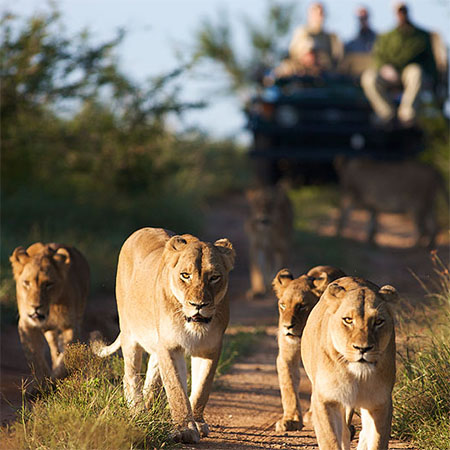
The real magic of Singita Lebombo Lodge, however, unfolded during the game drives. The guides weren't just knowledgeable about the animals; they were deeply respectful of them. They understood animal behavior, anticipating movements and ensuring that our presence never caused undue stress. We maintained a safe and respectful distance, relying on long lenses to capture stunning images without disturbing the wildlife. Photographing lions ethically at Singita Lebombo was more than possible – it was the standard. Here's a glimpse into my encounters:
Lions
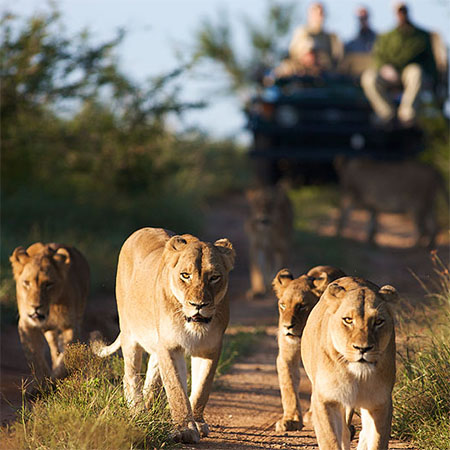
The African dawn is a spectacle of color, and on this particular morning, it painted the savanna in hues of orange and pink as we approached a pride of lions. The guides expertly positioned the vehicle to give us a clear view while maintaining a respectful distance. I watched, mesmerized, as the lions stirred from their slumber, their powerful bodies stretching in the early morning light. Using a telephoto lens (shot at f/2.8 for shallow depth of field), I captured a close-up portrait of a magnificent male, his mane bathed in the soft light. The guides were meticulous in avoiding disturbing them, using quiet voices and minimizing any sudden movements.
Leopards
Spotting a leopard is always a thrill, and this time was no exception. Our guide, whose knowledge of the bush was encyclopedic, had noticed subtle clues – a flicker of movement in the trees, a faint scent in the air. He expertly navigated the vehicle through the dense vegetation until, there it was: a magnificent leopard, perched on a branch, perfectly camouflaged against the dappled light. The high ISO setting on my camera helped me capture details in the low light as I photographed the majestic cat. The Sustainable Wildlife Photography Tour became a dream realized. The guide’s ability to anticipate the leopard's movements allowed us to witness it gracefully descend from the tree and disappear into the undergrowth.
Elephants
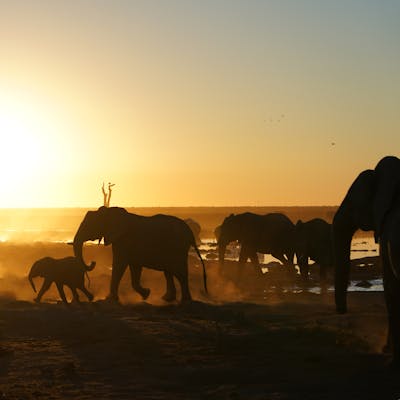
Observing a herd of elephants bathing in a waterhole was a truly unforgettable experience. The matriarch led her family into the cool water, their wrinkled skin glistening in the afternoon sun. Calves splashed playfully, while the adults sprayed themselves with water and mud. I captured a panoramic shot of the scene, using the rule of thirds to create a balanced image with the sunset in the background. Witnessing their natural behavior reinforced the importance of protecting their habitat and ensuring their continued survival.
Rhinoceros
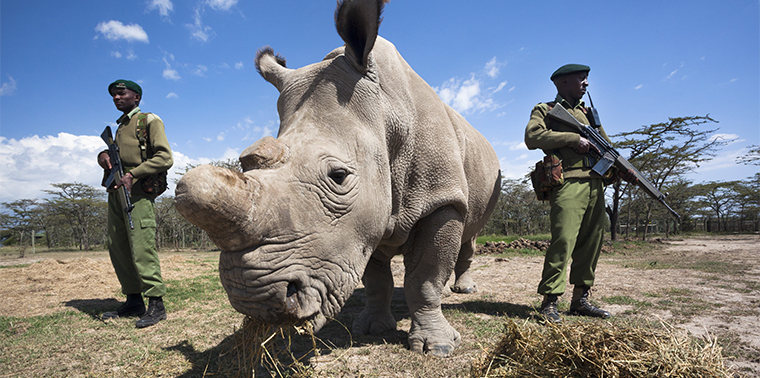
The sight of a white rhino always evokes a sense of both awe and concern. These magnificent creatures are tragically vulnerable to poaching, making their conservation a top priority. From a safe distance, I took a photo that captured its vulnerability, a somber and reflective image that underscored the urgent need for continued protection. Singita Lebombo Lodge is deeply involved in anti-poaching efforts, working closely with local communities and conservation organizations to safeguard these endangered animals. Supporting such initiatives is crucial for ensuring their survival.
Buffalo
Against a backdrop of an approaching storm, a lone buffalo stood its ground. The dramatic sky amplified the buffalo's stoic presence. I opted for a black and white image, silhouetting the animal against the tumultuous sky. It was a powerful representation of resilience and the untamed spirit of the African wilderness.
Conservation in Action: More Than Just a Safari
Singita Lebombo Lodge's commitment to conservation extends far beyond the boundaries of the lodge itself. They actively support a range of local community projects, empowering residents through education, employment, and economic development. They help Luxury Safari Kruger supporting local communities. I had the opportunity to visit a local school supported by the lodge, witnessing firsthand the positive impact these initiatives have on the lives of children and families. I also learned about their involvement in wildlife research and monitoring programs, which provide valuable data for conservation efforts. It was inspiring to see how the lodge integrates conservation into every aspect of its operations, creating a truly sustainable and responsible tourism model.
Conclusion
My time at Singita Lebombo Lodge was more than just a safari; it was a transformative experience. It reaffirmed my belief in the power of ethical wildlife tourism to make a positive impact on conservation and local communities. It demonstrated that luxury and sustainability can coexist, creating a truly enriching and meaningful travel experience. The trip offered the Best ethical safari for wildlife photographers. I left with stunning photographs, unforgettable memories, and a renewed sense of hope for the future of African wildlife.
Ready to embark on your own ethical safari adventure? Book your stay at Singita Lebombo Lodge through vistalocation.com and experience the magic of the African wilderness responsibly. Support responsible tourism operators and consider donating to wildlife conservation organizations to help protect these incredible animals for generations to come.
What are your thoughts on ethical travel? Share your personal experiences and tips in the comments below!