Chasing Himalayan Light: A Photographer's Journe...
Bhutan. The Land of the Thunder Dragon. Even the name whispers of magic and adventure. As a travel photographer, I've chased light across the globe, but nothing could have prepared me for the sheer, breathtaking beauty of the Paro Valley. The air itself seemed different – cleaner, crisper, imbued with a sense of profound peace. My recent journey through this Himalayan paradise was a visual feast, an immersion into a culture fiercely protective of its traditions, and a photographer’s dream come true. Join me as I recount my experiences, sharing tips and insights for capturing the essence of this extraordinary place. This is a Bhutan travel photography guide, written from the heart.
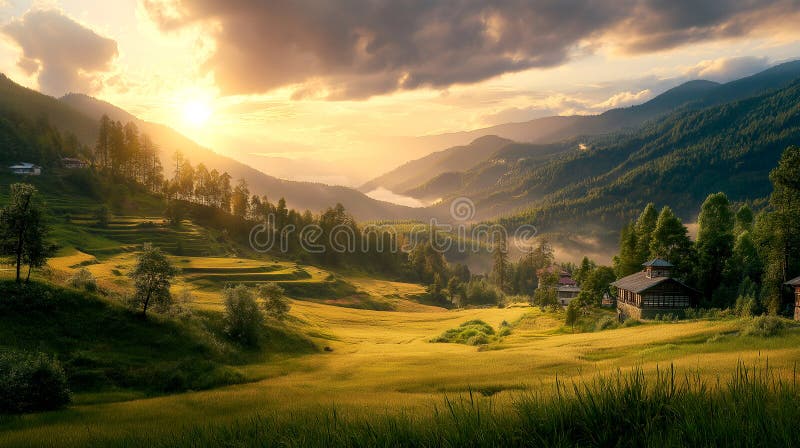
The initial descent into Paro International Airport is an experience in itself, consistently ranked as one of the world's most challenging approaches. As the plane navigated between towering peaks, the valley floor suddenly appeared, a vibrant tapestry of rice paddies and traditional houses nestled amidst the imposing Himalayas. The sheer scale of the mountains, cloaked in emerald forests, was immediately humbling. It was a scene that demanded to be captured, a panorama begging for a wide-angle lens. I knew instantly that this trip would be unlike any other.
The Golden Hour in Paro: A Photographer's Paradise
Light is the lifeblood of photography, and the Paro Valley offered it in abundance. The altitude, combined with the clear mountain air, created incredibly dramatic lighting conditions, especially during the golden hour. As the sun dipped below the horizon, the valley was bathed in a warm, ethereal glow, transforming the landscape into a painter's masterpiece. The rice paddies shimmered, the dzong architecture seemed to glow from within, and even the most mundane scenes took on a magical quality.
I found myself constantly chasing the light, scouting locations hours in advance to find the perfect vantage point. Mornings were equally rewarding, with the rising sun painting the mountain peaks in fiery hues. Patience was key, as was a willingness to adapt to the ever-changing conditions. Having a good variable ND filter was invaluable for controlling the bright light, especially when shooting landscapes.
Immersed in Rural Life: A Farm Stay Experience
To truly understand Bhutan, you need to step away from the tourist hotspots and immerse yourself in its rural heart. I chose to stay at a traditional Bhutanese farm stay near Paro, an experience that proved to be both humbling and incredibly rewarding. It wasn't just a place to sleep; it was a window into a way of life that has remained largely unchanged for centuries.
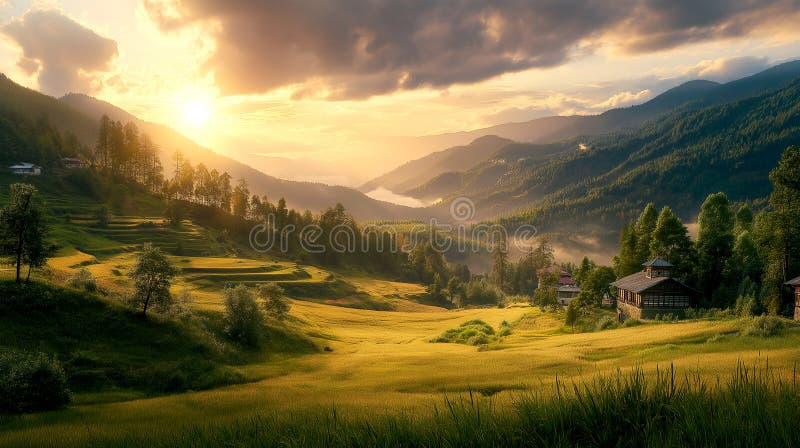
Waking up before dawn to the sounds of the farm animals, I’d wander out into the fields, camera in hand, to capture the mist-shrouded landscape. The light at this time of day was soft and diffused, perfect for capturing the details of the traditional architecture of the house, the intricate wood carvings, and the colorful prayer flags fluttering in the breeze. Photographing the farm animals - cows, chickens, and even the occasional yak - became a daily ritual, a way of connecting with the rhythm of rural life. I was able to capture images of everyday life in Bhutan.
The family who hosted me were incredibly welcoming, sharing their food, their stories, and their culture with open hearts. It was a privilege to witness their daily routines, to photograph them at work in the fields, to share meals with them around the traditional bukhari (wood-burning stove). The simplicity of their lives, their deep connection to the land, and their unwavering faith were truly inspiring.
Hiking to the Tiger's Nest: A Photographic Pilgrimage
No trip to Paro is complete without a hike to the Tiger's Nest Monastery (Taktsang), arguably Bhutan's most iconic landmark. Perched precariously on a cliff face, over 3,000 meters above sea level, the monastery is a testament to human ingenuity and spiritual devotion. The hike itself is challenging, but the rewards are immeasurable, both photographically and spiritually. For the best Tiger's Nest hike photography tips, read on!
The photographic challenges are significant. The monastery is often shrouded in mist, the light can be harsh, and the sheer scale of the scene can be difficult to capture. I found that the best times to photograph the monastery were early morning and late afternoon, when the light was softer and the shadows were less harsh. A wide-angle lens is essential for capturing the scale of the monastery against the dramatic backdrop of the cliff face.
Patience is also key. Waiting for the clouds to part, for the light to hit the monastery just right, can be frustrating, but the resulting images are well worth the effort. It's also important to be mindful of the cultural significance of the monastery. This is a sacred space, and it's crucial to be respectful of the monks and pilgrims who come here to pray. Avoid taking photos during prayer services, dress modestly, and maintain a respectful demeanor. Is it safe to hike to Tiger's Nest Monastery alone? While many do, it's recommended to go with a guide.
Paro Tshechu: A Riot of Color and Culture
Attending the Paro Tshechu festival was a truly unforgettable experience. Tshechus are annual religious festivals held throughout Bhutan, celebrating the victory of good over evil. The Paro Tshechu is one of the largest and most spectacular, attracting thousands of people from all over the country. As a Paro Tshechu photographer review, I'd say it's unparalleled.
The festival is a riot of color and movement, with dancers in elaborate costumes and masks performing intricate dances that tell stories from Buddhist mythology. The energy is palpable, the atmosphere electric. Photographing the Tshechu is a unique opportunity to capture the vibrancy of Bhutanese culture. Many travel to experience this; best time of year to photograph Paro Tshechu is spring.
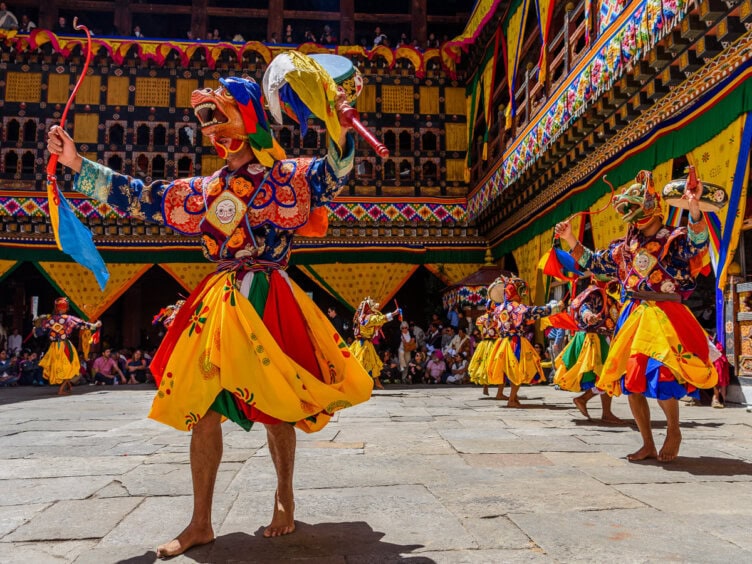
Before attempting to photograph the dances, it's important to understand the stories behind them. Each dance has a specific meaning and purpose, and knowing the narrative will help you to capture the essence of the performance. What are the rules for photographing at Paro Tshechu?
Ethical considerations are paramount when photographing a religious event. Always ask for permission before taking someone's photo, and avoid using flash photography, which can be disruptive. Dress respectfully and maintain a respectful demeanor throughout the festival. Photographing sacred dance Paro Tshechu festival requires patience and consideration.
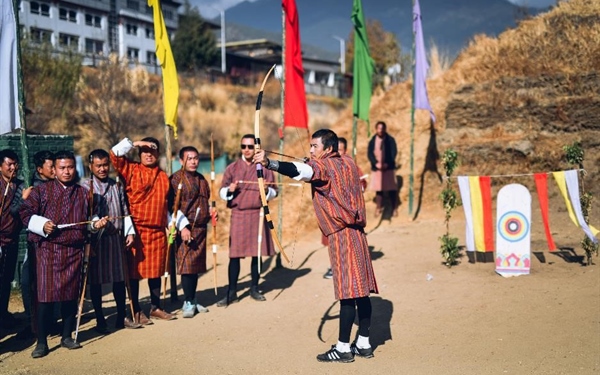
I was also fortunate enough to witness a Bhutanese archery competition, a traditional sport that is deeply ingrained in Bhutanese culture. The archers, dressed in traditional costumes, use bamboo bows and arrows to shoot at a target from a distance of over 100 meters. The rituals performed before each shot, the chanting, and the celebratory dances all added to the spectacle. It was about Bhutanese archery competition photography.
Capturing the intensity and precision of the archers required a fast shutter speed and a telephoto lens. The challenge was to freeze the action at the precise moment of release, capturing the focus and determination on the archer's face. The entire experience was a testament to the beauty and richness of Bhutanese culture.
A Taste of Bhutan: Culinary Delights
Bhutanese cuisine is as unique and flavorful as the landscape itself. Chilies are a staple ingredient, and even the national dish, Ema Datshi (chili cheese stew), is fiery hot. I also enjoyed Phaksha Paa (pork with chilies), another popular dish.
Sharing food is an integral part of Bhutanese culture. Meals are often communal affairs, with everyone sharing from the same dishes. During my farm stay, I was offered butter tea by my host family, a traditional drink made with tea leaves, butter, salt, and water. The flavor is quite unique, and it can take some getting used to, but accepting it is a gesture of respect and gratitude. The flavors of these dishes really highlight Bhutanese Food Culture. What local dishes should I try in Paro Valley? I highly suggest the ones listed above!
Cultural Respect: Ethical Photography in Bhutan
Bhutan is a country fiercely protective of its culture and environment. As a photographer, it's crucial to be respectful of these values. Dress modestly when visiting temples and monasteries, ask for permission before taking someone's photo, and avoid littering or damaging the environment. Bhutan photo ethics are essential to consider.
It's also important to be aware of the Bhutanese concept of Gross National Happiness (GNH), a philosophy that prioritizes the well-being of the people and the environment over economic growth. This philosophy permeates every aspect of Bhutanese society, and it's important to be mindful of it when traveling in the country. Ethical photography Bhutan travel is vital to consider.
Tips for Photographers Visiting Bhutan
Here are a few tips for photographers planning a trip to Bhutan:
- Pack for the climate: The weather in Bhutan can be unpredictable, so pack layers.
- Obtain necessary permits: All tourists visiting Bhutan require a visa, which is typically arranged through a tour operator.
- Hire local guides: Local guides can provide invaluable insights into the culture and the best photographic locations. How can I get a Bhutan tourist visa? Reach out to a tour operator.
- Respect the culture: Be mindful of Bhutanese customs and traditions.
- Be patient: The best light often requires waiting, so be prepared to be patient. What to pack for a Bhutan photography trip? Layers, versatile lenses, and batteries!
Plan Your Adventure
The Paro Valley is a truly special place, offering unique photographic opportunities that are unlike anywhere else in the world. From the dramatic landscapes to the vibrant culture, Bhutan is a photographer's paradise. If you're looking for an adventure that will challenge your creativity and inspire your soul, then I urge you to plan your own trip to Bhutan. Consider a Paro Valley Photography Tour, but keep in mind to respect and value Bhutanese culture. How much does a photography tour of Bhutan cost? Costs vary, so you should consider working with a tour guide.
Ready to experience the magic of Bhutan for yourself? Contact VistaLocation.com today to start planning your unforgettable journey. Our expert travel specialists can help you design the perfect itinerary, ensuring that you capture the best of the Paro Valley and beyond. View Tour Options here!