Chasing Ghosts and Lions: A Photographer's Journ...
The Skeleton Coast. Even the name sends a shiver down your spine, a promise of desolation and a hint of danger. But it's more than just a forbidding landscape; it's a place of raw, untamed beauty, a visual symphony of towering dunes sculpted by relentless winds that meet the crashing waves of the Atlantic. Arriving there for the first time, I was overwhelmed by the stark contrast – the golden, seemingly endless sand merging into the cold, grey ocean. It was a photographer's dream, and a humbling reminder of nature's power. My mission: to capture the resilience of life in this extreme environment and raise awareness about vital conservation efforts. This journey through Namibia's Skeleton Coast, chasing ghosts of shipwrecks and the elusive desert lions, would be one I'd never forget.
Planning Your Trip: Best Time To Visit Skeleton Coast Namibia
The Skeleton Coast is best visited during the dry season (May to October) for milder temperatures and better wildlife viewing opportunities. Keep in mind that even during the dry season, the coast can be shrouded in fog, adding to its mystique but potentially impacting visibility for photography. Pack layers, including warm clothing for the cool mornings and evenings, and prepare for potential dust and wind.
Sunrise on the Skeleton Coast: Photographing the Eduard Bohlen
One of the most iconic sights on the Skeleton Coast is the wreck of the Eduard Bohlen. Stranded inland after running aground in 1909, it stands as a haunting monument to the sea's unforgiving nature. Photographing the Eduard Bohlen Shipwreck was high on my list. We set out before dawn, the air thick with mist and the promise of a spectacular sunrise. I used my Nikon D850 with a 24-70mm lens to capture the scene. The key was patience. Waiting for the light to break through the fog, I experimented with long exposures to create an ethereal effect, blurring the waves and highlighting the rusty textures of the wreck. The wide-angle lens allowed me to capture the vastness of the landscape, emphasizing the ship's isolation. The early morning light cast long, dramatic shadows, adding to the surreal atmosphere. It was a truly unforgettable experience, a moment where history and nature collided in perfect harmony.
What is the history of the Eduard Bohlen shipwreck?
The Eduard Bohlen was a German cargo ship that ran aground in 1909. Over time, the shifting sands of the Namib Desert have pushed the wreck further inland, creating a surreal sight miles from the ocean. It now stands as a haunting reminder of the power of nature and the unforgiving coastline.
Tracking Desert Lions: A Namibia Desert Lion Safari
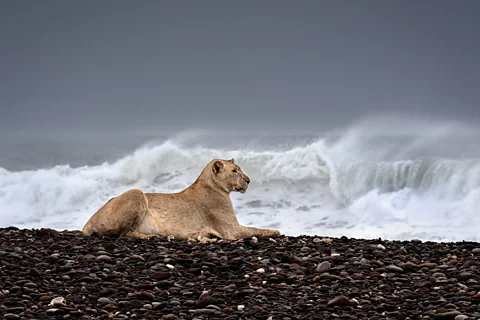
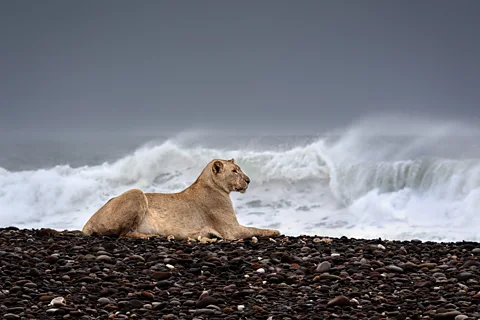
The true magic of the Skeleton Coast lies not just in its dramatic landscapes but also in the incredible wildlife that has adapted to survive in this harsh environment. Tracking desert lions with Dr. Stander from the Desert Lion Conservation Trust was a privilege and an eye-opening experience.
Dr. Stander's dedication to these magnificent creatures is inspiring. He has spent years studying their behavior, migration patterns, and the challenges they face. These lions are unique; they've adapted to survive in one of the driest places on earth, often going days without water.
Where can you see desert lions in Namibia?
Desert lions are primarily found in the northwest region of Namibia, particularly in the Skeleton Coast National Park and surrounding areas like the Hoanib River. These areas provide a unique habitat where they have adapted to survive in extremely arid conditions.
Photographing them was no easy task. The vast, open landscapes made them difficult to spot, and the heat and dust posed challenges for my equipment. I switched to my Nikon D850 with a 200-500mm lens to get closer to the action without disturbing the animals. The long lens allowed me to capture intimate portraits of the lions, showcasing their strength and resilience.
What is the best lens for Namibian wildlife photography?
For Namibian wildlife photography, a versatile zoom lens like a 200-500mm is ideal for capturing distant subjects. A wide-angle lens is also useful for landscape shots, allowing you to capture the vastness of the Namibian landscapes.
Witnessing these lions in their natural habitat was a powerful reminder of the importance of conservation. Their survival depends on our understanding and protection of their fragile ecosystem.
Namibian Cuisine Under the Stars: A Bush Dinner Experience
After a long day of tracking lions and battling the elements, there's nothing quite like a traditional bush dinner under the vast Namibian sky. The experience was set up in a remote location, miles from any sign of civilization. The stars blazed overhead, the Milky Way a river of light stretching across the darkness.
We dined on Oryx steak cooked over an open fire, the smoky aroma mingling with the cool desert air. The meat was tender and flavorful, a true taste of Namibia. We also enjoyed Biltong, a cured meat snack that's a staple in Southern Africa. To wash it all down, there was Rock Shandy, a refreshing mix of lemonade, soda water, and Angostura bitters.
This meal wasn't just about the food; it was about connecting with the local culture and appreciating the sustainability of using local resources. The Oryx is a plentiful animal in Namibia, and using it for food helps to manage populations and support local communities. It was a truly immersive experience, a chance to savor the flavors of Namibia under the magical glow of the stars.
A Landscape Shaped by Time: Geology and Flora of the Skeleton Coast
The Skeleton Coast is more than just sand and shipwrecks. It's a place of incredible geological diversity, shaped by millions of years of erosion and the powerful Benguela Current. The seemingly endless gravel plains stretch to the horizon, broken only by the occasional rocky outcrop or dried-up riverbed.
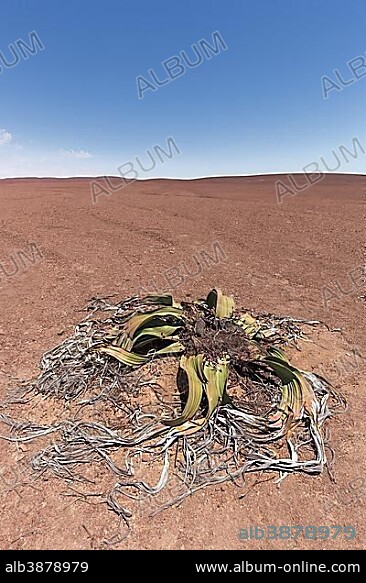
One of the most remarkable plants I encountered was the Welwitschia mirabilis. This ancient plant is a true survivor, capable of living for over a thousand years in the harshest conditions. It has only two leaves, which split and fray over time, giving it a bizarre and otherworldly appearance.
Photographing Welwitschia mirabilis ethical considerations
When photographing Welwitschia mirabilis, it's essential to avoid disturbing the surrounding environment. These plants are incredibly fragile and sensitive to human impact. Stay on designated paths and avoid touching or collecting any part of the plant.
The Welwitschia's resilience is a testament to the power of adaptation. It's a symbol of hope in a seemingly desolate landscape, a reminder that life can find a way to thrive even in the most extreme environments.
Desert-Adapted Wildlife: Namibian Wildlife Photography
The Skeleton Coast is home to a surprising array of desert-adapted wildlife. Beyond the desert lion, I encountered brown hyenas scavenging along the coastline, their powerful jaws capable of crushing bones. I also observed large colonies of Cape fur seals basking on the rocky shores, their playful barks echoing through the air.
Where to photograph Cape fur seals Skeleton Coast?
Cape Cross Seal Reserve is one of the best locations to photograph Cape fur seals on the Skeleton Coast. This protected area is home to a large breeding colony, offering ample opportunities to observe and photograph these fascinating creatures.
Photographing these animals in their natural habitat presented unique challenges. The harsh light, the distance, and the unpredictable behavior of the animals all required patience, skill, and a deep respect for their environment. Ethical considerations were paramount. I always maintained a safe distance, avoided disturbing their natural behavior, and never used drones or other intrusive methods that could stress the animals.
Astrophotography in Namibia: Capturing the Milky Way
As a photographer, I'm always looking for new ways to capture the beauty of the natural world. The Skeleton Coast offers a unique opportunity for astrophotography, thanks to its dark skies and clear air.
How to photograph the Milky Way in the Namib Desert
To photograph the Milky Way in the Namib Desert, you'll need a camera with good high ISO performance, a wide-angle lens, and a sturdy tripod. A star tracker can also be helpful for capturing sharper images of the stars. Find a location away from light pollution, and shoot during a new moon for the darkest skies. Use long exposures to capture the faint light of the Milky Way, and be sure to post-process your images to bring out the details.
Using a star tracker, I was able to capture the Milky Way in stunning detail, revealing the intricate patterns of stars, dust, and gas. The experience was truly awe-inspiring, a reminder of our place in the vast universe.
The Importance of Responsible Tourism and Conservation
My journey through the Skeleton Coast was a transformative experience. It deepened my appreciation for the fragility of this unique ecosystem and the importance of responsible tourism.
It's our responsibility to protect this precious place for future generations. Here's how you can help:
- Support the Desert Lion Conservation Trust: https://www.desertlion.info/ Your donations will help Dr. Stander and his team continue their vital work of protecting these magnificent animals.
- Choose eco-friendly tour operators: Support companies that prioritize sustainability and respect the local environment.
- Respect the local environment: FollowLeave No Trace principles, avoid disturbing wildlife, and minimize your impact on the land.
Witnessing the beauty and resilience of the Skeleton Coast firsthand is a powerful experience. It can change your perspective, inspire you to action, and remind you of the importance of conservation. Let's work together to ensure that this incredible place remains a treasure for generations to come. Consider booking a Skeleton Coast Photography Tour to experience this unique landscape yourself. There are a variety of Skeleton Coast Accommodation Options available, and you will be able to practice Namibian Wildlife Photography responsibly.