Chasing Ephemeral Blooms and Desert Sounds: Phot...
Imagine vast, seemingly barren landscapes bursting into life with vibrant wildflowers, or the hushed symphony of nocturnal desert creatures serenading the night. For nature photographers and wildlife enthusiasts, Death Valley and Saguaro National Parks offer unique and unforgettable experiences. This blog post will guide you through two distinct adventures: capturing the elusive Death Valley wildflowers in a desert photography workshop, and exploring the desert wildlife sounds on a Saguaro National Park night hike. Get ready to immerse yourself in the beauty and wonder of the American desert.
Ephemeral Pools and Mirages of Death Valley National Park
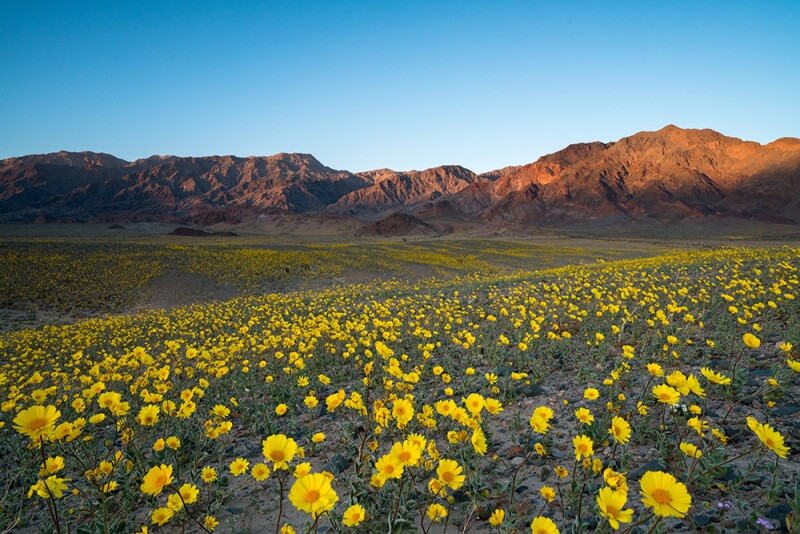
Death Valley, a land of extremes, transforms into a photographer’s paradise after significant winter rainfall. The desert floor erupts in a kaleidoscope of colors as ephemeral wildflowers bloom, creating a stunning contrast against the stark, geological formations. Capturing this rare spectacle requires careful planning and skill.
Attending a Death Valley Wildflower Photography Workshop
A three-day desert photography workshop is an excellent way to maximize your chances of capturing breathtaking images of Death Valley wildflowers. These workshops, often led by experienced Death Valley National Park photography professionals, offer invaluable guidance on composition, technique, and navigating the challenging desert environment.
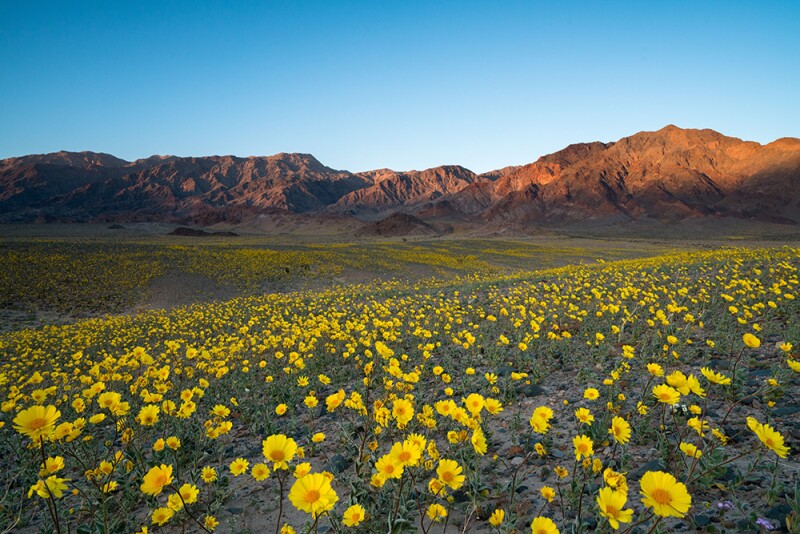
Composition is key when photographing wildflowers in Death Valley. Look for leading lines, such as dry washes or roads, to draw the viewer’s eye into the scene. Use the rule of thirds to create balanced and visually appealing compositions. Experiment with different perspectives, shooting low to the ground to emphasize the flowers, or from a higher vantage point to showcase the vastness of the landscape. Photographing Death Valley mirages that often appear adds another layer of surreal beauty to your images.
- Optimal Time of Year: February and March, following a wet winter. Check bloom reports from the National Park Service for the most up-to-date information. The best time to photograph Death Valley wildflowers is during the golden hours, early morning and late afternoon, when the light is soft and warm.
- Workshop Leaders: Look for workshops led by photographers with extensive experience in Death Valley and a passion for teaching. Check online reviews and testimonials to gauge the quality of the workshop.
- Where to photograph wildflowers in Death Valley: Some popular locations include: Badwater Basin, Furnace Creek, and along Badwater Road.
Gear Recommendations for Desert Photography
- Wide-angle Lens: Essential for capturing the vastness of the desert landscape and the scale of the wildflower blooms.
- Telephoto Lens: Useful for isolating individual flowers or capturing distant details.
- Tripod: Crucial for sharp images, especially in low light conditions.
- ND Filters: Neutral Density filters help to reduce the amount of light entering the lens, allowing you to use slower shutter speeds for creative effects, such as blurring water or creating a sense of motion. These are especially useful when practicing natural light photography in the bright desert sun.
Mastering Natural Light Photography in the Desert
The desert light can be harsh, especially during midday. Understanding natural light photography techniques is crucial for capturing well-exposed images.
- Golden Hour: Shoot during the golden hours (early morning and late afternoon) for soft, warm light.
- Overcast Days: Overcast days can provide even, diffused light, perfect for capturing details and colors.
- Reflectors: Use reflectors to bounce light into shadowed areas, creating a more balanced exposure.
- HDR Photography: High Dynamic Range (HDR) photography can help to capture the full range of tones in high-contrast scenes.
Actionable Insight: Bring plenty of water and sun protection. Death Valley is an extreme environment, and it's essential to stay hydrated and protect yourself from the sun.
Find Death Valley Photography Workshops
Cacti Forests of Saguaro National Park, Arizona
Saguaro National Park, Arizona, offers a different but equally captivating desert experience. Here, towering saguaro cacti dominate the landscape, creating a unique and otherworldly atmosphere. Exploring the park at night provides an opportunity to experience the desert’s hidden wildlife.
Guided Night Hikes: Listening to the Desert Symphony
A Saguaro National Park night hike offers a chance to connect with the desert in a whole new way. As darkness falls, the desert comes alive with the sounds of nocturnal creatures. Guided tours, often led by experienced biologists and naturalists, provide invaluable insights into the lives of these elusive animals.
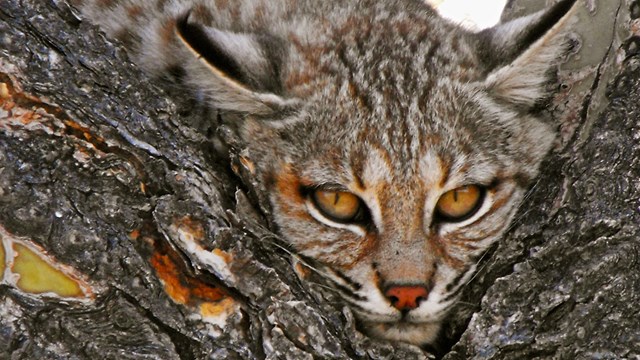
These Arizona wildlife tours focus on identifying nocturnal desert animals by sound. Expert guides can distinguish the calls of owls, the rustling of bats, the yips of coyotes, and the chirps of insects. Using audio recording equipment to capture these desert wildlife sounds can enhance the experience and provide a lasting memento of your adventure. If you are interested in furthering your knowledge of desert soundscapes, consider attending a desert soundscapes recording workshop to learn from experts in the field.
- Wildlife Identification: Guides often use specialized equipment, such as parabolic microphones and bat detectors, to amplify and identify sounds.
- Common Nocturnal Animals: Keep an ear out for the Great Horned Owl, Mexican free-tailed bats, coyotes, scorpions, and various species of insects.
Night Hiking Gear and Safety Precautions
- Headlamp with Red Light Filter: Red light filters minimize disturbance to wildlife and preserve your night vision.
- Sturdy Hiking Boots: Essential for navigating uneven terrain.
- Insect Repellent: Protect yourself from mosquitoes and other biting insects.
- Water: Bring plenty of water to stay hydrated.
- First-Aid Kit: Be prepared for minor injuries.
Safety First: Stick to established trails and follow your guide's instructions. Be aware of your surroundings and watch out for hazards such as cacti and uneven terrain.
Ethical Considerations for Observing Nocturnal Wildlife
It’s crucial to observe wildlife responsibly and minimize your impact on their environment.
- Minimize Light and Noise: Avoid shining bright lights directly at animals or making loud noises.
- Maintain a Safe Distance: Keep a respectful distance from wildlife and avoid approaching or disturbing them.
- Leave No Trace: Pack out everything you pack in, and avoid disturbing vegetation or rocks.
Many also find solace in cacti mindfulness retreat offerings within the park, allowing for a deeper connection with the desert's serene energy.
Actionable Insight: Download a stargazing app on your phone to identify constellations and planets during your night hike. Saguaro National Park has received the Dark Sky designation, which shows the park’s commitment to reducing light pollution to improve dark sky viewing.
Book a Saguaro National Park Night Hike

Conclusion
Whether you're chasing the vibrant hues of Death Valley wildflowers or listening to the enchanting desert wildlife sounds in Saguaro National Park, these desert experiences offer unparalleled opportunities for adventure and learning. By participating in a desert photography workshop or a guided Saguaro National Park night hike, you can deepen your appreciation for the beauty and resilience of these unique ecosystems. So, pack your bags, grab your camera or audio recorder, and prepare to be captivated by the ephemeral magic of the desert.
Ready to start your desert adventure? Explore these incredible landscapes and capture their beauty for yourself. Book Your Desert Adventure Today!