Chase the Dark: Unforgettable Desert Stargazing...
Imagine standing beneath a sky so dark, so clear, that the Milky Way blazes like a river of diamonds. In our light-polluted world, true darkness is a rare and precious commodity. But in the heart of some of the world's most remote deserts, the night sky still reigns supreme. Vistalocation.com invites you on a journey to experience desert stargazing at its finest, exploring the unique dark sky landscapes of the Atacama, Namib, and Mojave Deserts. Discover luxury accommodations, expert-led tours, and insider tips to capture the magic of the cosmos. Prepare to be amazed.
Atacama Desert, Chile: A Celestial Paradise
The Atacama Desert in Chile is renowned as one of the best places on Earth for stargazing. Its high altitude, incredibly dry air, and minimal light pollution create Atacama Desert stargazing conditions that are virtually unmatched. With a Bortle Scale rating of Class 1, the darkest level, the Atacama offers unparalleled views of the night sky.
One of the most unique lodging options in the Atacama is the ALMA Observatory's Residencia. Although primarily designed for scientists working at the observatory, limited opportunities may exist to stay in these specialized quarters, which boast controlled lighting to minimize light pollution. Contact ALMA directly for availability.
Dive Deeper: Astrophotography Workshops in the Atacama
For those seeking a more immersive experience, consider joining an Atacama Desert astrophotography workshops led by professional astronomers. These workshops provide hands-on instruction on capturing stunning images of deep-sky objects like nebulae and galaxies.
Pro Tip: To make the most of your astrophotography experience in the Atacama, use a telescope with a focal length of at least 800mm and a tracking mount to compensate for the Earth's rotation.
The best time to observe the Milky Way core from the Atacama Desert is between March and October. This is when the galactic center is highest in the sky, offering the most spectacular views.
Learn more about the Atacama Desert Starlight Reserve.
The ALMA Observatory nestled in the Atacama Desert provides prime viewing of the dark skies above, a stunning contrast to the Earth-bound equipment.
Namib Desert, Namibia: Vastness and Untamed Skies
The Namib Desert in Namibia offers a different, yet equally breathtaking, Namib Desert dark sky tourism experience. Its vastness and remoteness create unparalleled stargazing opportunities, far from the reach of urban light pollution. With a Bortle Scale rating of Class 2, the Namib's skies are exceptionally dark and clear.
Wolwedans is a prime example of luxury desert stargazing lodges available in the Namib Desert. Wolwedans offers private stargazing platforms and is dedicated to sustainable practices, allowing you to connect with the natural environment in a responsible way.
Ancient Wisdom Under Ancient Skies
Experience something truly special by joining nighttime desert walks with San tribe guides. The San people, indigenous to the region, possess a deep understanding of the constellations and celestial navigation, passed down through generations. Their traditional knowledge adds a unique dimension to your stargazing experience.
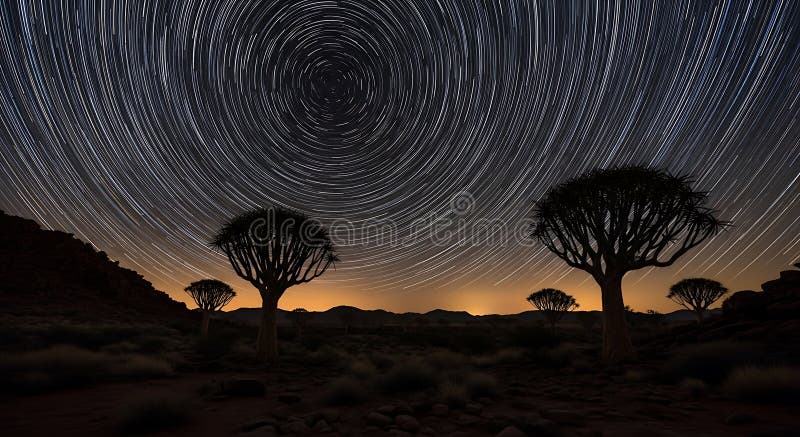
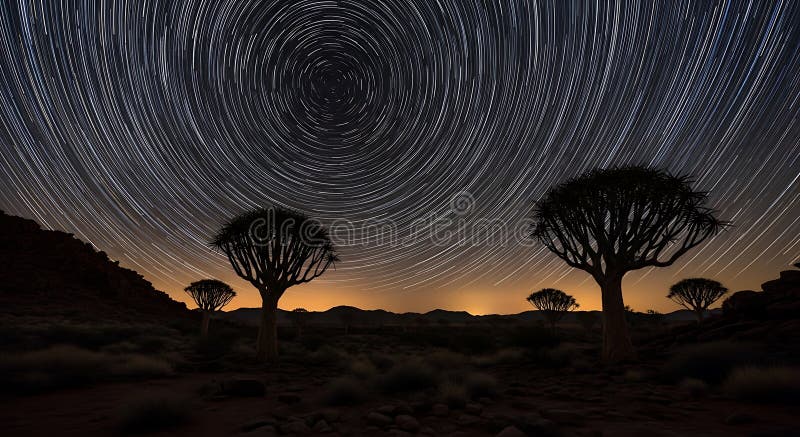
To capture the beauty of the Namibian night sky, consider photographing star trails. Use a wide-angle lens (14-24mm) and long exposure times (30 minutes or more) to create stunning images that capture the movement of the stars across the sky. Observing during the new moon phases will maximize star visibility.
Explore dark sky initiatives at the NamibRand Nature Reserve.
Mojave Desert, USA: Accessible Dark Skies
The Mojave Desert in the USA offers a more accessible Mojave Desert stargazing near me experience for those located closer to major cities. While light pollution is more prevalent in some areas (Bortle Scale: Class 3-5, depending on location), secluded dark sky locations can still be found within a relatively short drive.
For a luxurious and unforgettable experience, consider staying at Amangiri. This secluded desert retreat features outdoor bathtubs and expansive views of the night sky, perfect for soaking in the beauty of the cosmos.
Find Your Center Under the Stars
Indulge in guided meditation sessions under the Milky Way in the Mojave Desert. Connecting with nature in this tranquil environment can help reduce stress and promote a sense of well-being.
Capture the magic of meteor showers in the Mojave Desert, particularly the Perseids in August. Use a fast lens (f/2.8 or faster) and a wide field of view to increase your chances of capturing these fleeting celestial events. A red flashlight is essential for preserving your night vision.

The majestic Milky Way stretches across the dark skies above the Mojave Desert, highlighting the unique beauty found in such remote landscapes.
Learn more about the International Dark-Sky Association's Mojave Desert initiatives.
Desert Night's Whispers: A Glimpse into Infinity
Imagine witnessing the Milky Way core rise over the ALMA telescopes in the Atacama, then a vibrant green meteor streaks across the inky sky. That's the essence of "Desert Night's Whispers," a cinematic journey designed to capture the awe-inspiring beauty of the desert night.
This short video, shot in 4K on RED cameras, uses low-light techniques to showcase the vibrant colors of the night sky, complete with binaural audio recording the sounds of wind whispering through the desert canyons. The time-lapse cuts to a close-up of an eye opening, revealing the reflection of the Milky Way within the pupil, followed by the text overlay: "Experience the universe within."
Why this Video Will Go Viral
"Desert Night's Whispers" encapsulates:
- SURPRISE: The unexpected meteor shower.
- CLARITY: The powerful connection between the cosmos and the individual, conveyed through the eye reflecting the Milky Way.
- EMOTION: Evokes amazement and wonder.
- VISUAL STYLE: High-quality, cinematic footage with vivid colors.
Technical highlights: Slow-motion close-ups, wide-angle time-lapses, and dramatic pans across the desert landscape, all captured using natural starlight and minimal artificial lighting.
Q&A: Your Desert Stargazing Questions Answered
What is dark sky tourism?
Dark sky tourism involves traveling to locations with minimal light pollution to experience and appreciate the beauty of the night sky. It often includes activities like stargazing, astrophotography, and attending astronomy-related events.
Why is the Atacama Desert so good for stargazing?
The Atacama Desert's high altitude, extremely dry air, and lack of light pollution create ideal conditions for stargazing. The clear, stable atmosphere allows for exceptional visibility of celestial objects.
When is the best time to visit the Namib Desert for stargazing?
The best time to visit the Namib Desert for stargazing is during the dry season (May to October) and around the new moon phase. This ensures clear skies and minimal moonlight interference.
What equipment do I need for desert astrophotography?
Essential equipment for desert astrophotography includes a DSLR or mirrorless camera, a wide-angle lens (for landscapes), a telephoto lens (for deep-sky objects), a sturdy tripod, a remote shutter release, and a red flashlight.
What is the Bortle Scale?
The Bortle Scale is a nine-level numerical scale that measures the night sky's brightness. It quantifies the observability of celestial objects and the degree of light pollution present. Class 1 represents the darkest skies, while Class 9 indicates heavy light pollution.
Ready to Explore the Universe?
The deserts of the world offer a gateway to the cosmos, providing unforgettable stargazing experiences that will leave you in awe. Whether you're seeking luxury accommodations, expert-led tours, or simply a quiet place to connect with the night sky, the Atacama, Namib, and Mojave Deserts await. Start planning your adventure today and discover the universe within.