Celestial Shores: Three Water Destinations for S...
Imagine standing under a canopy of stars, their brilliance doubled by the mirror of pristine waters. For stargazers, the thrill of observing the cosmos is magnified when combined with the tranquility of a beautiful waterscape. From the southern skies of New Zealand to the high-altitude lagoons of Chile and the bioluminescent shores of the Maldives, there are unique stargazing water destinations to explore. This blog post highlights three spectacular places where the sky meets the water, offering unparalleled astronomical experiences. Discover the magic of stargazing water destinations and plan your unforgettable celestial adventure! Ready to see where the stars meet the sea?
Lake Tekapo, New Zealand: A Dark Sky Sanctuary
Lake Tekapo, nestled in the heart of New Zealand's South Island, is a haven for astronomy enthusiasts. Its designation as an International Dark Sky Reserve makes it one of the best places on Earth to observe the night sky. The region's commitment to minimizing light pollution, coupled with its stunning alpine scenery, creates an unforgettable stargazing experience.
The Church of the Good Shepherd: A Stargazer's Landmark
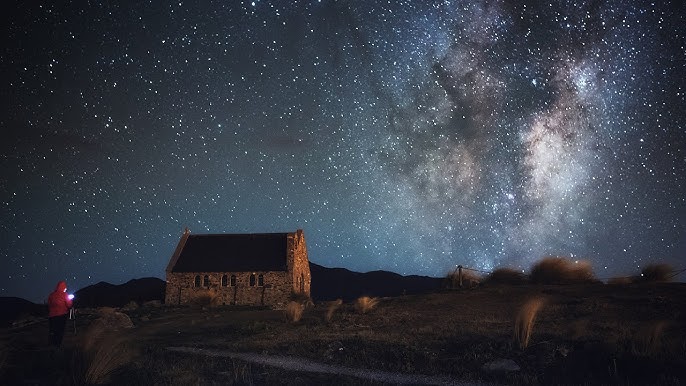
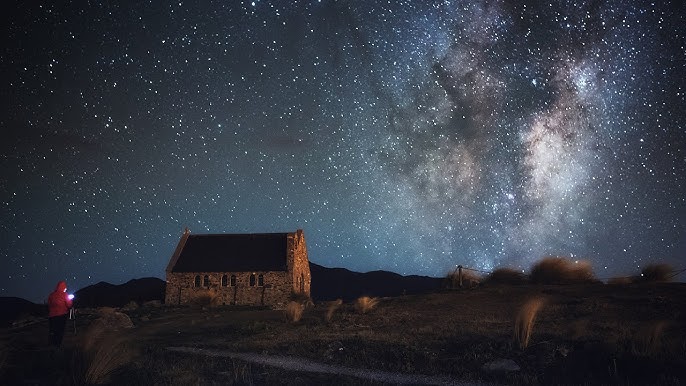
The iconic Church of the Good Shepherd, perched on the shores of Lake Tekapo, is a favorite subject for astrophotographers. Its stone facade silhouetted against the Milky Way provides a striking foreground for celestial images. Many photographers seek a Lake Tekapo permit for astrophotography, ensuring they can set up their equipment without disrupting the environment or other visitors.
Stargazing Tours on the Lake
Several tour operators offer guided stargazing experiences on Lake Tekapo. These tours often include the use of high-powered telescopes, allowing visitors to observe planets, nebulae, and distant galaxies. Some tours even venture out onto the lake itself, providing an unobstructed view of the night sky. If you're looking for the best guided stargazing tour Lake Tekapo has to offer, consider booking in advance, especially during peak season.
Astrophotography Workshops
For those interested in capturing the beauty of the night sky, astrophotography workshops are available. These workshops teach participants the techniques needed to photograph the Milky Way, including camera settings, composition, and post-processing. One of the most common topics is Milky Way time-lapse photography Lake Tekapo, and some workshops even offer specialized equipment rental.
Preserving the Dark Sky
The community of Lake Tekapo is deeply committed to preserving its dark sky. Residents and businesses use shielded lighting to minimize light pollution, and there are strict regulations in place to protect the night sky. Sustainable tourism Lake Tekapo stargazing initiatives ensure that visitors can enjoy the beauty of the night sky while minimizing their impact on the environment. The Aoraki Mackenzie International Dark Sky Reserve, where Lake Tekapo is located, is dedicated to protecting this resource.
Practical Information for Visitors
- Best Time to Visit: March to September offers the darkest skies and the best chance to see the Milky Way. The best time to see Milky Way Lake Tekapo is during the new moon phase.
- Recommended Tours: Earth & Sky https://www.earthandsky.co.nz/
- Responsible Tourism Tips: Use red-light torches to preserve night vision, avoid using bright screens, and dispose of waste responsibly. Consider researching Dark sky resorts near Lake Tekapo New Zealand to find accommodations that actively support dark sky preservation.
Atacama Desert Lagoons, Chile: Reflections of the Cosmos
The Atacama Desert in Chile is renowned for its exceptionally clear skies, making it a prime location for astronomical observatories. But beyond the observatories, the high-altitude lagoons of the Altiplano offer a unique opportunity to observe constellations reflecting in their pristine waters. This creates a surreal and breathtaking experience, blending Earth and sky into one stunning panorama.

Altiplano Indigenous Traditions
The indigenous communities of the Altiplano have a rich astronomical tradition, using the night sky for navigation, agriculture, and cultural practices. Their interpretation of constellations differs from Western astronomy, reflecting their unique relationship with the land and the cosmos.
Minimizing Light Pollution
The local communities are actively involved in minimizing light pollution from nearby observatories and towns. Efforts are being made to protect the pristine night sky and preserve the cultural heritage associated with it. Sustainable stargazing travel is becoming increasingly important in the region, with many tour operators promoting responsible tourism practices.
Observing the Night Sky
Imagine standing on the shores of a tranquil lagoon, the constellations mirrored perfectly in the still water. The Atacama Desert night sky photography spots are plentiful, offering stunning vistas for capturing celestial wonders. This creates a sense of infinite depth and connection to the universe. You can book stargazing tour Atacama Desert Lagoon through many vendors.
Practical Information for Visitors
- Best Time to Visit: April to September offers the clearest skies. However, be prepared for cold temperatures, especially at night.
- Recommended Tours: Several tour operators offer stargazing tours to the Atacama Desert Lagoons. Research and compare options to find one that suits your interests and budget. Enquire about the Atacama Desert stargazing tour prices ahead of time.
- Responsible Tourism Tips: Respect the local culture and traditions, avoid disturbing the fragile ecosystem, and minimize light pollution by using red-light torches. Consider the stargazing in Atacama Desert lagoons Chile cost and look for affordable, sustainable tour options.
Bioluminescent Beaches, Maldives: A Dual Light Show
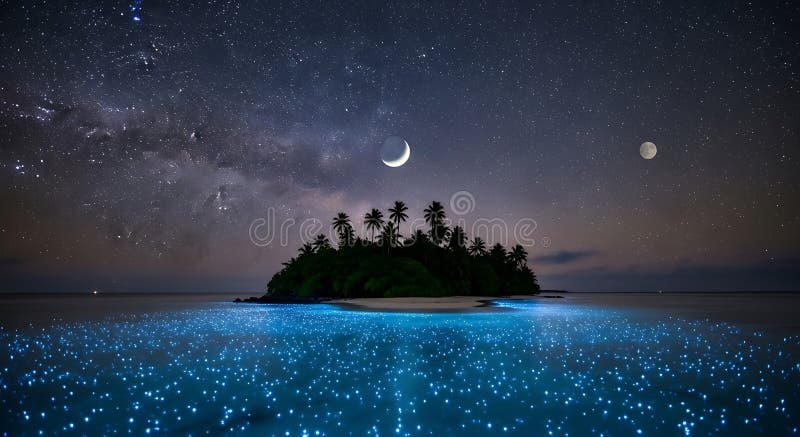
The Maldives, a tropical paradise in the Indian Ocean, is renowned for its bioluminescent beaches. These beaches light up at night with the glow of bioluminescent plankton, creating a magical spectacle. Combining this natural phenomenon with stargazing creates a dual light show that is truly unforgettable. This experience offers unique stargazing experiences by water unlike anywhere else.
Celestial Navigation Traditions
For centuries, local sailors in the Maldives have used the stars for seafaring. They possess a deep understanding of celestial navigation, passed down through generations. Some resorts offer opportunities to learn about these traditional navigation techniques.
Stargazing Above Bioluminescent Waters
Imagine lying on the beach, gazing up at the Milky Way while the waters below shimmer with bioluminescence. This combination of celestial and marine light creates a surreal and enchanting experience. Many seek out Maldives bioluminescent beaches Milky Way viewing, finding that it surpasses any other stargazing spot.
Protecting the Night Sky and the Sea
Local islanders are taking initiatives to reduce light pollution and promote sustainable tourism. This helps preserve both the bioluminescence and the visibility of the stars. Choosing eco-friendly resorts and supporting local conservation efforts can help protect this fragile environment. Learning how to avoid light pollution in the Maldives is essential for responsible travel.
Practical Information for Visitors
- Best Time to Visit: The dry season, from November to April, offers the best weather for stargazing. The peak season for bioluminescence varies, but it's generally more common during the new moon phases. The best time of year stargazing Maldives beaches is often regarded as late winter and early spring.
- Recommended Tours: Some resorts offer nighttime boat tours to observe the bioluminescence and the stars. Check out Maldives stargazing boat tours reviews before booking.
- Responsible Tourism Tips: Choose eco-friendly resorts, avoid using flash photography on the bioluminescent beaches, and minimize light pollution by turning off unnecessary lights.
Conclusion
Combining the beauty of water destinations with the awe-inspiring wonder of the night sky creates truly unforgettable experiences. Whether you choose to explore the dark sky of Lake Tekapo, witness the reflections of constellations in the Atacama Desert Lagoons, or marvel at the bioluminescent beaches of the Maldives, you're sure to be captivated by the magic of the cosmos. By practicing responsible tourism, you can help protect these precious environments for future generations. Discover these unique stargazing experiences by water for yourself. Ready to book your next celestial adventure? Visit vistalocation.com to explore incredible destinations and plan your perfect getaway!
Short-Form Viral Video Concept: Milky Way Time-Lapse over Lake Tekapo
HOOK: Start IN MEDIAS RES with a star suddenly BURSTING into view as the sky darkens.
SCENE: Cinematic 4K quality, shot on RED with a high-speed camera. The camera ORBITS slowly around the Church of the Good Shepherd, capturing the Milky Way arching dramatically overhead. Use dramatic lighting to show the Church silhouetted against the night sky. Golden hour lighting is used to show the start of the tutorial before darkness.
TWIST: As the time-lapse progresses, the Milky Way suddenly TRANSFORMS into a whimsical Pixar-style animation of constellations connecting, evoking JOY and AMAZEMENT.
CAMERA WORK: Use a slow-motion orbiting shot around the Church of the Good Shepherd with a dramatic close-up of the Milky Way.
LIGHTING: Dramatic lighting, transitioning from golden hour to the stark contrast of the night sky, with NEON colors highlighting the animated constellations.
COMPOSITION: Use a low-angle shot to emphasize the height of the night sky and the grandeur of the Milky Way, with a wide depth of field to keep both the church and the stars in focus.
Voiceover (succinct and exciting): "Capture the Milky Way like NEVER before! ➡️ Lake Tekapo magic! ✨ [quick tutorial showing the basics of capturing the milky way with a phone camera]"