Celestial Sands: Astrophotography and Adventure...
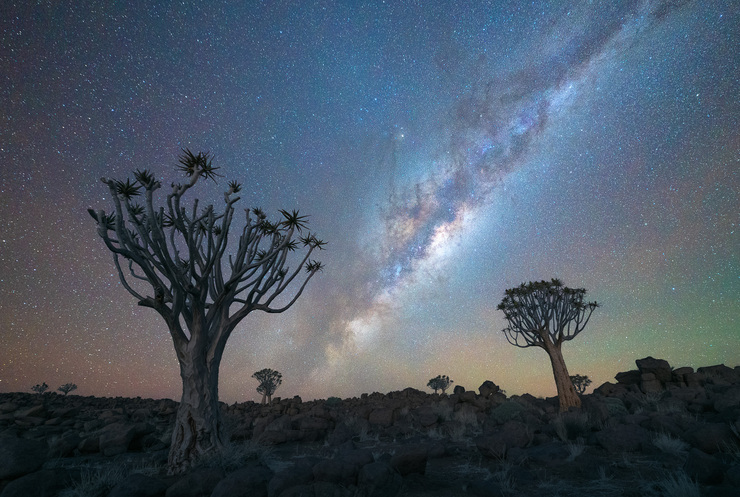
The Skeleton Coast. The name itself conjures images of shipwrecks, bleached bones, and an unforgiving landscape. But beneath its harsh exterior lies a beauty so profound, so utterly captivating, that it has drawn me, Anya Petrova, a 38-year-old astrophotographer from St. Petersburg, Russia, across continents. For five years, I've been on a quest to photograph the Milky Way from the darkest and most geologically unique corners of our planet, and Namibia, with its inky black skies and surreal desert vistas, was calling my name. This isn't just a trip; it's an immersion into the wild heart of Africa, where towering dunes meet the crashing Atlantic waves under an impossibly clear, star-filled sky.
Conquering the Celestial Stage: Equipment and Challenges
My two-week expedition to the Skeleton Coast was an exercise in both patience and precision. Hauling my customized, sand-proofed Phase One XF camera system, complete with Rodenstock lenses (23mm, 50mm, 90mm), a Sky-Watcher Star Adventurer tracking mount, and enough high-capacity power banks to rival a small village, was no small feat. The lack of electricity in the remote areas meant relying entirely on my reserves. The Namibian sun, while beautiful, is brutal, and the temperature fluctuations between day and night tested both my equipment and my endurance. Sand, the ever-present nemesis, seemed determined to infiltrate every crevice, requiring constant vigilance and meticulous cleaning. I also brought along longer telephoto lenses, such as 400mm and above, to photograph wildlife from a safe and respectful distance.
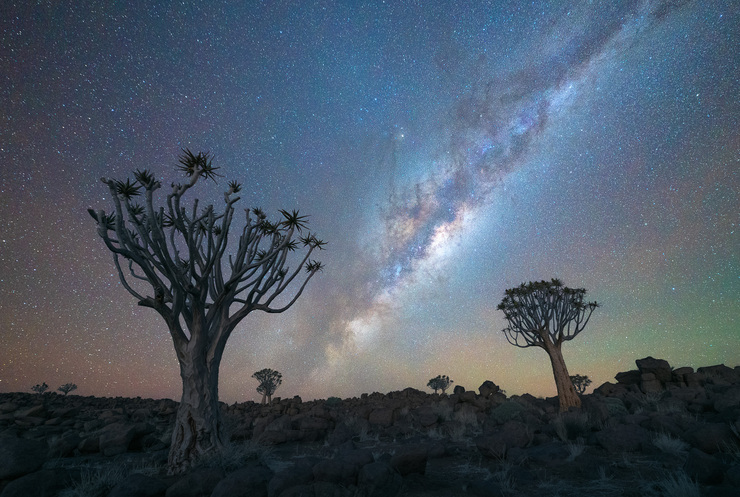
But the rewards were immeasurable. Capturing the Milky Way core ablaze over the clay castles near Purros, time-lapses of star trails painting the salt pans of Sossusvlei with light – these were moments that made every challenge worthwhile. The Bortle Scale, a measure of light pollution, is exceptionally low in these areas, offering truly dark sky conditions, which are essential for astrophotography. For optimal results, I recommend timing your visit during the dry season (May to October) for clearer skies and minimal cloud cover.
It's crucial to remember that much of the Skeleton Coast falls within protected areas like the Dorob National Park. Photographing in these zones requires specific permits, which I obtained via the MET (Ministry of Environment and Tourism) website in Windhoek. Always check the Ministry of Environment and Tourism website before your trip to ensure you have the necessary authorizations.
Protecting Your Gear in the Desert
The Skeleton Coast’s harsh environment requires careful preparation to protect your photography equipment. Here are some essential tips:
- Sand Protection: Use weather-sealed camera bodies and lenses. Employ lens filters as a sacrificial layer. Pack silica gel packets to absorb moisture.
- Temperature Management: Store equipment in insulated bags during the day to prevent overheating. Allow gradual temperature acclimatization to prevent condensation when moving between hot and cold environments.
- Power Solutions: Carry multiple high-capacity power banks and consider a portable solar charger for extended trips.
- Cleaning Supplies: Pack a high-quality air blower, microfiber cloths, and lens cleaning solution for removing sand and dust.
Encounters in the Wild: Lions and Sandstorms
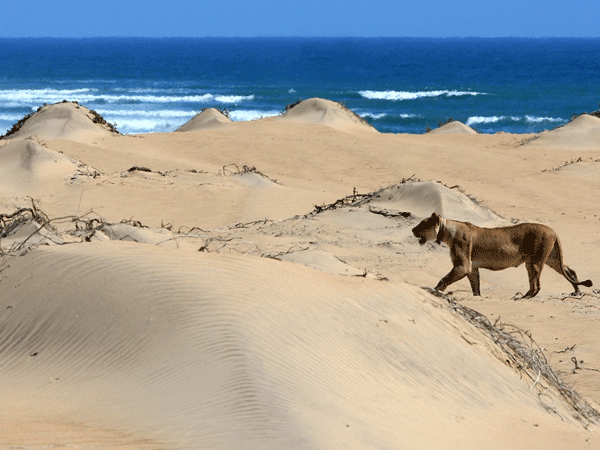
One of the most unexpected encounters during my expedition was with a research team from the Namibian Lion Trust near the Hoanib River. These dedicated scientists are tirelessly working to study the desert-adapted lions, tracking their movements, monitoring their impact on local livestock, and developing strategies to mitigate human-wildlife conflict.
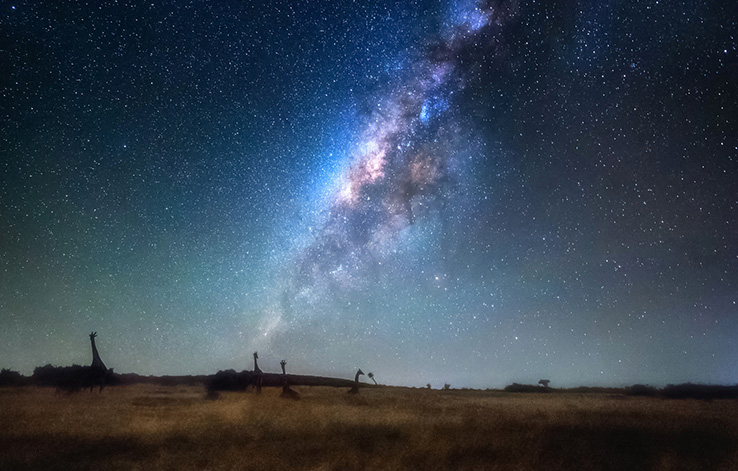
Witnessing their commitment firsthand filled me with immense respect. As a photographer, I'm acutely aware of the ethical implications of photographing vulnerable wildlife. Maintaining a safe distance, minimizing disturbance to their natural behavior, and respecting their space is paramount. I exclusively used long telephoto lenses (400mm and above) to avoid any disruption.
However, nature has other challenges. While photographing near Terrace Bay, I was caught in a sudden, violent sandstorm. The wind howled, visibility dropped to near zero, and the air was thick with stinging sand. My immediate priority was protecting my equipment. I quickly covered my cameras and lenses with waterproof covers, secured my tripod, and sought shelter behind a large rock formation until the storm subsided. These storms highlight some of the dangers for photographers on the Skeleton Coast. Staying safe and prepared is vital.
Skeleton Coast Wildlife Photography Tips
- Use Long Lenses: Employ telephoto lenses (400mm+) to maintain a safe and respectful distance from wildlife.
- Minimize Disturbance: Avoid approaching animals closely or making loud noises that could stress them.
- Respect Their Space: Be aware of animal behavior and back off if they show signs of distress.
- Follow Guidelines: Adhere to any park regulations or guidelines for wildlife viewing and photography.
- Ethical Considerations: Prioritize the well-being of the animals above getting the perfect shot.
Stargazing for Everyone: Tours and Workshops
If venturing into the Skeleton Coast alone feels daunting, several local operators offer guided stargazing tours. Companies like "Namib Sky" and "Sossusvlei Stargazing" provide expert knowledge of the night sky, navigate the terrain with ease, and are deeply committed to dark sky preservation. These Namibian tour companies offer invaluable services for those new to the region.
I'm also excited to announce that I'll be hosting astrophotography workshops in the area, designed to teach participants how to capture stunning images of the night sky while minimizing light pollution and respecting the environment.
Astrophotography Equipment Recommendations for Namibia
For those planning their own astrophotography adventure, here are some gear recommendations:
- Camera: Full-frame camera with high ISO performance (e.g., Sony a7S III, Nikon D850).
- Lenses: Wide-angle lens (e.g., Sigma 14mm f/1.8) and a versatile zoom lens (e.g., 24-70mm f/2.8).
- Tracking Mount: Sky-Watcher Star Adventurer or AstroTrac for long-exposure shots.
- Tripod: Sturdy tripod to withstand windy conditions.
- Accessories: Headlamp with red light, remote shutter release, extra batteries, and memory cards.
Beyond the Stars: History and Cuisine
The Skeleton Coast offers more than just celestial wonders. A visit to the abandoned diamond mine at Kolmanskop is a must for any photographer. The decaying buildings, slowly being swallowed by the sand, offer a hauntingly beautiful glimpse into the region's history. Exploring Kolmanskop is like stepping back in time, witnessing the rise and fall of a once-thriving town.
And then there's the cuisine. The extreme environment shapes the culinary landscape in unique ways. I had the opportunity to try oshifima (millet porridge) prepared with omugongo (Kalahari melon) oil at a local Himba village – an experience made possible only with their permission and after contributing to their community. It was an authentic taste of Namibian culture. Along the coast, sustainably-sourced seafood is abundant, with hake and monkfish being local favorites. The freshness of the seafood, combined with simple preparations, highlights the natural flavors of the region.
A Call to Action: Protecting Namibia's Treasures
My journey to the Skeleton Coast was an unforgettable experience, one that deepened my appreciation for both the beauty of the night sky and the fragility of our planet. I encourage you to support sustainable tourism practices in Namibia and to consider donating to the Namibian Lion Trust to support their crucial conservation efforts. Also, become a dark sky advocate by visiting the International Dark-Sky Association (IDA) website to learn how you can help protect our dark skies.
The Skeleton Coast is a place of stark contrasts, where the harshness of the desert meets the breathtaking beauty of the cosmos. It’s a place that demands respect, inspires awe, and leaves an indelible mark on the soul. I hope my journey has inspired you to explore this unique corner of the world and to appreciate the celestial wonders that await. You can see more of my work and purchase prints on my website at anyapetrova.com.
Vistalocation.com Video Concept: Celestial Sands
For a short viral video (60-90 seconds), showcase stunning time-lapses of the Milky Way rising over iconic Skeleton Coast locations at night. Juxtapose this with daytime footage of the same spots, emphasizing the stark desert landscape and shipwrecks. The video should highlight the contrast between the unforgiving environment and the breathtaking beauty of the night sky.