Capture Etosha: Your Ultimate Wildlife Photograp...
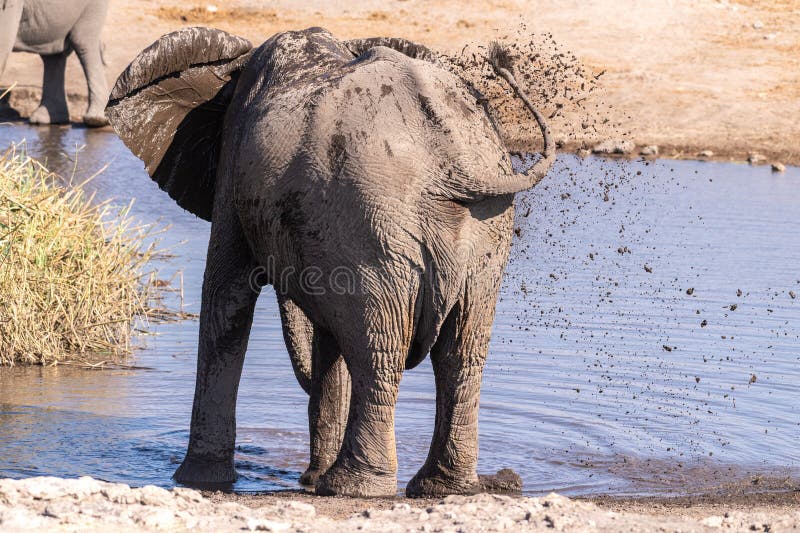
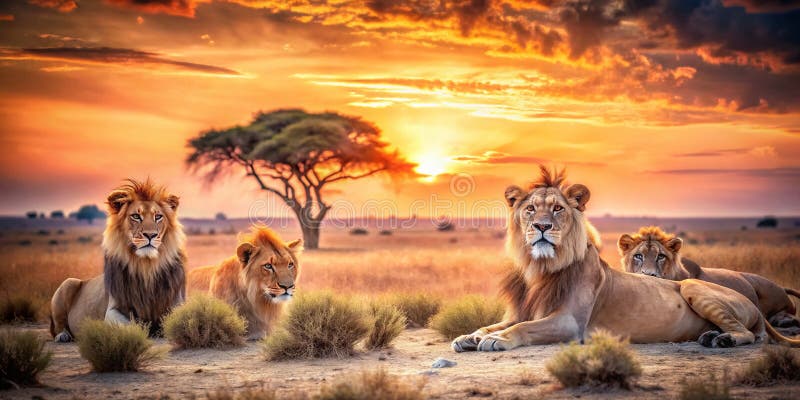
Etosha National Park, Namibia, is a photographer’s dream. Imagine vast, open plains stretching to the horizon, teeming with diverse wildlife: majestic lions, herds of elephants, graceful giraffes, and elusive rhinos. Add to this the dramatic desert light that paints the landscape in breathtaking hues, and you have a recipe for unforgettable images. This blog post serves as your comprehensive guide to planning a successful and ethical wildlife photography safari in Etosha National Park, ensuring you return home with stunning photos and lasting memories.
Choosing Your Safari Operator: Wild Dog Safaris with VistaLocation
The key to a great photography safari lies in choosing the right operator. We highly recommend booking your Etosha adventure with Wild Dog Safaris, available through VistaLocation.com. Wild Dog Safaris stands out due to their commitment to:
- Small Group Sizes: With a maximum of just 6 people per safari, you’ll enjoy a more intimate and personalized experience, with ample space and opportunity for photography.
- Minimizing Environmental Impact: They operate with a deep respect for the environment, ensuring their tours are sustainable and eco-friendly.
- Supporting Local Communities: Wild Dog Safaris actively supports local communities through employment and conservation initiatives, contributing to the well-being of the people and wildlife of Namibia.
Ethical Wildlife Photography: Respecting the Animals
Ethical wildlife photography is paramount. Remember to:
- Respect Animals' Space: Maintain a safe distance and avoid disturbing their natural behavior.
- Avoid Flash Photography at Night: Flash can disorient and stress nocturnal animals.
- Never Approach Animals on Foot: This is dangerous and unethical.
Essential Gear for Etosha: Capturing the Perfect Shot
Equipping yourself with the right gear is crucial for success.
Cameras: Performance in Low Light
Invest in a full-frame or crop-sensor DSLR or mirrorless camera with excellent low-light performance. This is essential for capturing stunning images during dawn and dusk, the prime times for wildlife activity.
Lenses: Reaching the Action
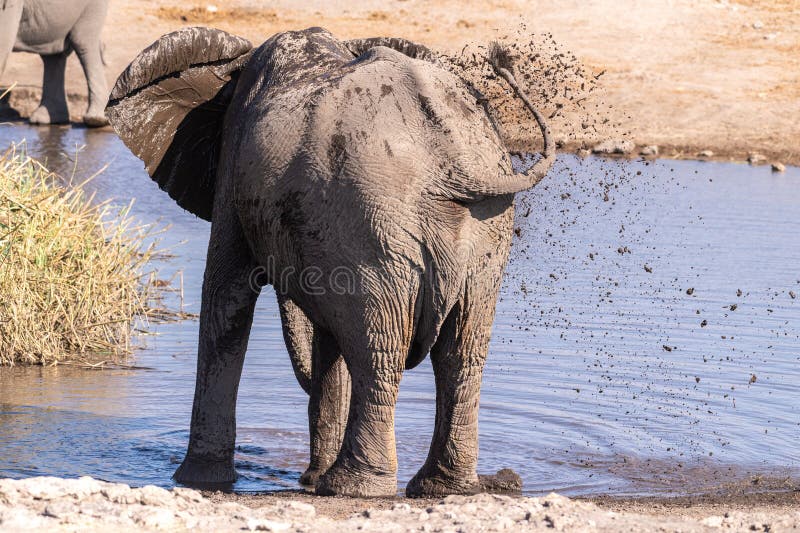
- Canon Users: The Canon EF 100-400mm f/4.5-5.6L IS II USM is an excellent choice. Its reach, image stabilization, and sharpness make it ideal for capturing distant wildlife.
- Sony Users: The Sony FE 200-600mm f/5.6-6.3 G OSS offers incredible reach and image quality, perfect for isolating subjects against the vast Etosha landscape.
- Landscapes: Don't forget a wide-angle lens (e.g., 16-35mm) for capturing the breathtaking landscapes of Etosha.
Accessories: Staying Prepared
- Tripod: A sturdy tripod is essential for sharp images, especially in low light.
- Lens Cleaning Cloths: Keep your lenses clean from dust and moisture.
- Sensor Cleaning Kit: Remove dust spots from your sensor for pristine images.
- Extra Batteries: You don't want to run out of power in the middle of a great photo opportunity.
- Plenty of Memory Cards: Bring ample storage space for all your photos.
- External Hard Drive: Back up your photos every day to a rugged external hard drive like a LaCie drive.
Camera Backpacks: Protecting Your Investment
Choose a camera backpack that is suitable for air travel and can comfortably carry all your gear. Look for features like padded compartments, weather resistance, and comfortable straps.
Where to Stay: Onguma The Fort
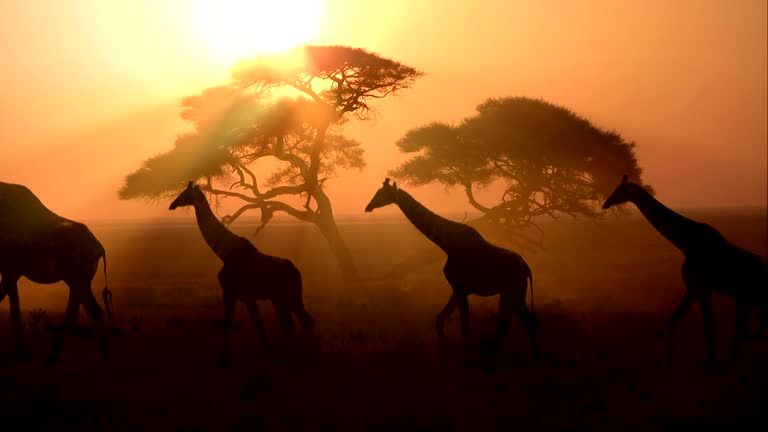
For photographers, we highly recommend Onguma The Fort as the ideal lodge near Etosha. Its unique elevated viewpoints overlook a waterhole, providing unparalleled opportunities to photograph animals coming to drink, especially during the dry season. The lodge also offers luxurious accommodations and excellent service, ensuring a comfortable and memorable stay. Imagine capturing stunning images of elephants, giraffes, and rhinos right from your lodge!
Sample 7-Day Itinerary: Exploring Etosha's Best
This is just a sample itinerary; Wild Dog Safaris can customize it to your specific interests. Remember that early morning and late afternoon are the prime times for photography.
- Day 1: Arrive in Windhoek, transfer to Onguma The Fort. Afternoon photography at the lodge's waterhole.
- Day 2: Full-day game drive in Etosha National Park, focusing on the Okaukuejo area and its renowned waterhole.
- Day 3: Explore the central region of Etosha, including the Halali camp area and surrounding waterholes.
- Day 4: Travel east towards Namutoni camp, photographing along the way.
- Day 5: Visit the Fischer's Pan area and explore the eastern side of Etosha.
- Day 6: Return to Onguma The Fort, with opportunities for photography along the way.
- Day 7: Depart from Onguma The Fort.
Photography Tips for Etosha: Mastering the Art
Mastering Desert Light: Shooting in the Golden Hours
Etosha's desert light can be harsh during midday. To combat this, focus your photography during the early morning and late afternoon "golden hours" when the light is soft and warm. A polarizing filter can also help reduce glare and enhance colors.
Wildlife Photography Techniques: Capturing Motion
To capture sharp images of moving animals, use fast shutter speeds (at least 1/500th of a second). Back-button focus can be incredibly helpful for tracking moving subjects.
Composition Tips: Framing the Scene
Fill the frame with your subject to create impactful images. Use the rule of thirds to create visually appealing compositions, placing your subject off-center to draw the viewer's eye.
Post-Processing Workflow (Adobe Lightroom Classic): Enhancing Your Images
Importing and Organizing: Staying Organized
Use keywords and collections in Adobe Lightroom Classic to organize your photos efficiently.
Basic Adjustments: Setting the Foundation
Adjust exposure, contrast, and white balance to create a balanced image.
Bringing Out Details: Emphasizing Texture
Use the Clarity and Texture sliders to enhance details in wildlife photos. The Dehaze slider can reduce haze in the desert air, revealing more detail in your images.
Local Adjustments: Refining the Image
Use the Adjustment Brush to selectively brighten or darken areas of the image, drawing attention to key details.
What to Pack (Photography Focused): Being Prepared
This packing list is specifically tailored to wildlife photographers in Etosha:
- Camera Gear: As mentioned above (camera, lenses, tripod, etc.)
- Clothing: Lightweight, neutral-colored clothing that blends in with the environment.
- Sunscreen: Essential for protecting your skin from the harsh African sun.
- Insect Repellent: Protect yourself from mosquitoes and other insects.
- Wide-Brimmed Hat: Provides shade and protects your face and neck.
- Sunglasses: Protect your eyes from the bright sun.
- First-Aid Kit: Be prepared for minor injuries and ailments.
- Travel Adapter: Namibia uses a different plug configuration than some countries.
- Beanbag: A beanbag is invaluable for stabilizing lenses on safari vehicles.
Booking Your Trip: Start Your Adventure Today!
Don't miss the opportunity to experience the magic of Etosha National Park. Book your wildlife photography safari with Wild Dog Safaris, accommodation at Onguma The Fort, and even rent photography gear through VistaLocation.com. Start planning your adventure today!
Conclusion: An Unforgettable Experience
A wildlife photography safari in Etosha National Park is a truly unique and unforgettable experience. The combination of stunning landscapes, abundant wildlife, and dramatic light makes it a photographer's paradise. Plan your trip today and capture memories that will last a lifetime. Share your photos using #VistaLocationEtoshaPhoto and let us see your incredible captures!