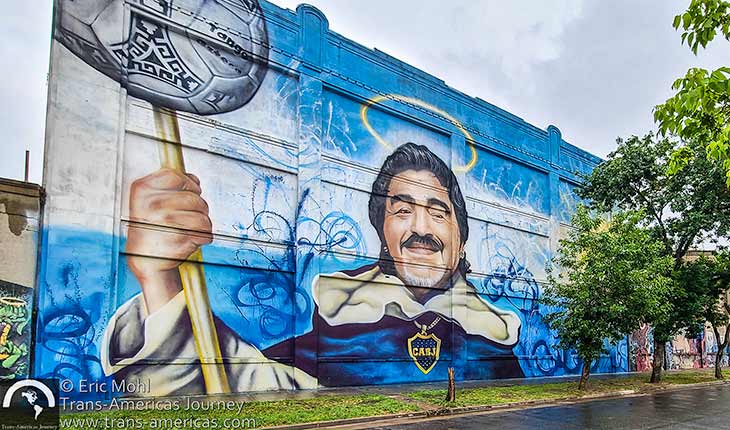
Buenos Aires: Finding My Palette in Palermo
Buenos Aires
Buenos Aires. Just the name conjured images of vibrant colors, passionate tango, and a thriving artistic energy. As a muralist from Brooklyn, I felt a magnetic pull towards this South American metropolis, a sense that it held the key to unlocking my next big project. Armed with my camera, sketchbook, and a thirst for inspiration, I embarked on a month-long journey to immerse myself in the city’s legendary street art scene. What I found was more than just art; it was a living, breathing expression of a city’s soul.
Art Factory Palermo: My Creative Hub
My base of operations was Art Factory Palermo, a boutique hotel nestled in the heart of Palermo Soho. The moment I walked in, I knew I’d made the right choice. This wasn’t just a place to sleep; it was an experience. The walls were canvases themselves, constantly changing with new street art exhibitions curated from resident artists. The atmosphere buzzed with creativity, a melting pot of artists from around the world sharing ideas and techniques. The staff were incredibly welcoming and knowledgeable about the local art scene, always ready to point me towards hidden gems and upcoming events. Waking up each morning surrounded by such vibrant art fueled my own creative fire, making Art Factory Palermo more than just accommodation, it was an integral part of my artistic process.
The entrance to Art Factory Palermo, showcasing its eclectic street art facade, immediately immerses you in the neighborhood's artistic vibe.
Stencil Mastery with Nora Iniesta
One of my first adventures was a stenciling workshop led by the renowned artist Nora Iniesta. Nora is a legend in the Buenos Aires street art community, known for her impactful political murals. She taught us about the history of stenciling as a form of protest and communication, sharing stories of how it was used during times of political upheaval.
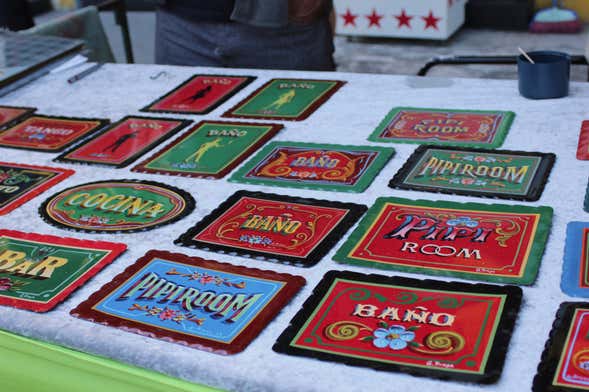
I was particularly fascinated by the local stencil techniques, often used to create bold, graphic imagery with strong political messages. I even tried my hand at emulating the fileteado porteño style, the ornate and uniquely Buenos Aires style of lettering and ornamentation. Fileteado is characterized by its bright colors, swirling lines, and elaborate details – think of it as a beautiful explosion of information. The experience was both humbling and inspiring, giving me a deeper appreciation for the artistry and history embedded in Buenos Aires street art. You can find more about the stenciling style and techniques at Buenos Aires Street Art.
The Murals of Parque Patricios: A Cromo Kaleidoscope
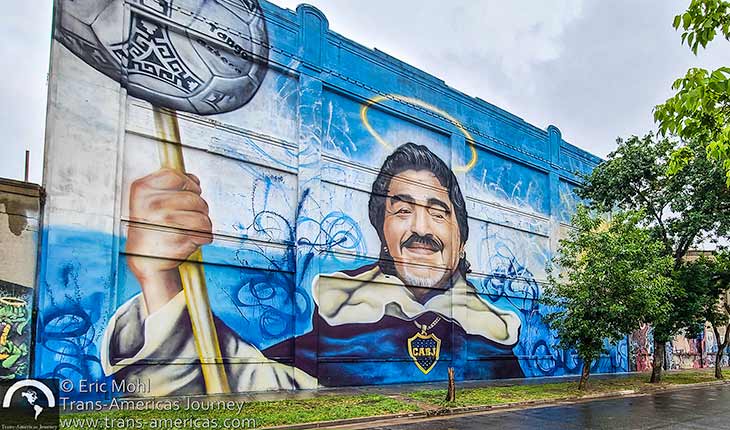
A visit to Parque Patricios was a must, specifically to witness the breathtaking murals by Cromo. His large-scale works transformed ordinary buildings into vibrant canvases, pulsing with color and emotion. Cromo's murals often explore themes of identity, memory, and social justice.
A mural by Cromo in Parque Patricios, bursting with vivid colors and thought-provoking themes, capturing the essence of the neighborhood's vibrant art scene.
His use of color was particularly striking, creating a visual symphony that resonated deep within me. The raw emotion conveyed through his art was palpable, a powerful reminder of the ability of street art to connect with people on a profound level. I spent hours simply wandering around, soaking in the energy and documenting every detail.
Culinary Delights: From Parrilla to Mate
No trip to Buenos Aires would be complete without indulging in the city's culinary scene. My experience at Don Julio parrilla in Palermo was a carnivorous dream come true. The bife de chorizo was cooked to absolute perfection, a symphony of smoky flavors and tender textures.
But the food scene wasn't just about steak. I had my first taste of mate with a local artist. The earthy, slightly bitter flavor took some getting used to, but the experience was about so much more than just the taste. It was a social ritual, a shared moment of connection and conversation. I also found myself drawn to Cafe Rivas in San Telmo, a beautiful, old-world cafe with a charmingly faded elegance. The ambiance was perfect for sketching and reflecting on my adventures. And of course, there were the late-night cravings for medialunas. Luckily, I discovered a small bakery near my hotel that served the flakiest, most delicious medialunas imaginable, satisfying my cravings and providing a sweet end to each day.
Tango and Lunfardo: Embracing the Culture
Diving into the tango scene was another essential experience. I ventured to La Viruta Tango Club in San Telmo, ready to embrace the passion and energy of this iconic dance. The atmosphere was electric, with dancers swirling across the floor in a mesmerizing display of skill and emotion. My own attempts to learn the basic steps were less graceful, bordering on comical, but the experience was incredibly fun and immersive.
To truly understand the tango, I knew I had to delve into lunfardo, the local slang. I managed to pick up a few phrases: "¡Che, boludo!" (Hey, dude!) and "¡Mina copada!" (Cool chick!). Trying to incorporate these into my conversations brought a lot of laughter, and a deeper connection to the local culture.
Documenting the Ephemeral: My Artistic Process
My days in Buenos Aires were a whirlwind of exploration, documentation, and reflection. I spent countless hours wandering the streets, capturing the vibrant murals and graffiti through photography and sketching. One of the challenges of documenting street art is its ephemeral nature. Murals can be painted over, tagged, or simply fade over time. This constant state of flux adds to its allure, reminding us that art, like life, is temporary.

Javier Rodriguez sketching a street art mural in Buenos Aires, capturing the city's dynamic artistic spirit and preparing to bring his inspiration back to Brooklyn.
The political history of Argentina is deeply intertwined with its street art. Many murals serve as powerful statements about social justice, human rights, and the country's turbulent past. The art is a voice for the voiceless, a way to remember and honor those who have been marginalized or oppressed.
Challenges and Ethical Considerations
Navigating the local art scene as an outsider presented its own set of challenges. The language barrier was sometimes frustrating, and I had to be mindful of cultural differences. One of the most important considerations was the ethical implications of photographing and sharing images of street art. I made a conscious effort to credit the artists whenever possible and to seek permission before photographing their work. I believe it's crucial to respect the artists' rights and to avoid exploiting their creativity for personal gain.
Inspired in Brooklyn
My month in Buenos Aires was a transformative experience. The vibrant colors, the powerful political messages, and the unique artistic styles of the city's street art scene have left an indelible mark on my creative vision. I’m already planning my next mural project in Brooklyn, inspired by the art I encountered in Buenos Aires. My concept is to create a mural depicting the struggles and triumphs of immigrants in Brooklyn, incorporating elements of Argentine political murals and perhaps even a touch of fileteado porteño. I want to use vibrant colors and bold imagery to tell their stories, to amplify their voices, and to create a work of art that is both visually stunning and deeply meaningful. Buenos Aires wasn't just a trip; it was an artistic awakening, and I can't wait to bring that inspiration back home.
Ready to experience the vibrant street art scene of Buenos Aires for yourself? Find your perfect stay at vistalocation.com and start your own artistic adventure!