Botswana's Untamed Beauty: A Solo Woman's Ethica...
Botswana. Just the name conjured images of vast, untamed landscapes teeming with wildlife. As a wildlife enthusiast passionate about ethical Botswana tourism and sustainable travel, I knew I had to experience it for myself. So, I packed my bags, filled my trusty Hydro Flask with water, slathered on my ThinkSport eco-friendly sunscreen, and embarked on a ten-day solo adventure through the Okavango Delta and Chobe National Park. This is my story – a testament to the magic of Botswana and the power of responsible travel as a solo female traveler Botswana.
Arrival in Maun and Journey to Camp Moremi
My journey began in Maun, the gateway to the Okavango Delta. After a smooth flight, I was greeted by a representative from Camp Moremi, a luxury eco-lodge nestled in the heart of the Delta. The transfer was an experience in itself – a small bush plane soaring over the intricate waterways of the Okavango Delta, a breathtaking tapestry of emerald green and shimmering silver. From above, I could already spot herds of elephants and giraffes grazing peacefully below.
Camp Moremi was everything I had hoped for and more. This Okavango Delta eco lodge operated entirely on solar power, minimizing its environmental footprint. They also had impressive waste management practices and actively engaged with local communities, providing employment and supporting educational initiatives. I settled into my luxurious tented suite, knowing that my stay was contributing to the preservation of this incredible ecosystem.
A Day in the Life: Mokoro and Walking Safari
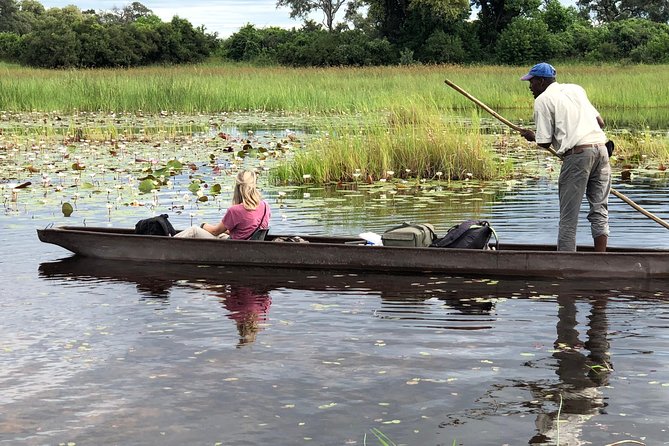
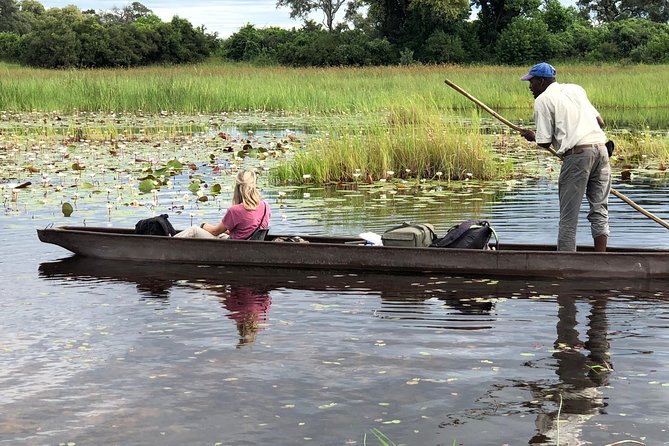
A typical day at Camp Moremi was a symphony of nature's wonders. It started with a gentle wake-up call from the dawn chorus – a cacophony of bird songs that filled the air. After a light breakfast, I would set off on a mokoro trip, a traditional dugout canoe, through the tranquil waterways of the Delta.
Gliding silently through the reeds, propelled by our skilled poler, was an experience I'll never forget. We spotted vibrant kingfishers diving for their morning meal, majestic fish eagles perched high in the trees, and shy reed frogs camouflaged among the foliage. The silence was broken only by the gentle lapping of water against the mokoro and the occasional call of a distant bird.
In the afternoon, I embarked on a guided walking safari on Chief's Island, one of the largest islands in the Delta. Walking allowed me to appreciate the smaller details of the ecosystem – the intricate patterns of the spiderwebs, the delicate beauty of the wildflowers, and the fascinating tracks left by the animals. Our guide shared his extensive knowledge of the local flora and fauna, pointing out medicinal plants and explaining the delicate balance of the ecosystem. One of the most memorable moments was a safe encounter with a family of warthogs, snuffling and foraging for food nearby.
Chobe National Park and the Elephant Kingdom
Leaving the watery paradise of the Okavango Delta, I journeyed to Chobe National Park. The landscape transformed dramatically, morphing into vast stretches of mopane forests and open savannah. My base for exploring Chobe was the Chobe Safari Lodge riverfront campsite, offering stunning views of the Chobe River.
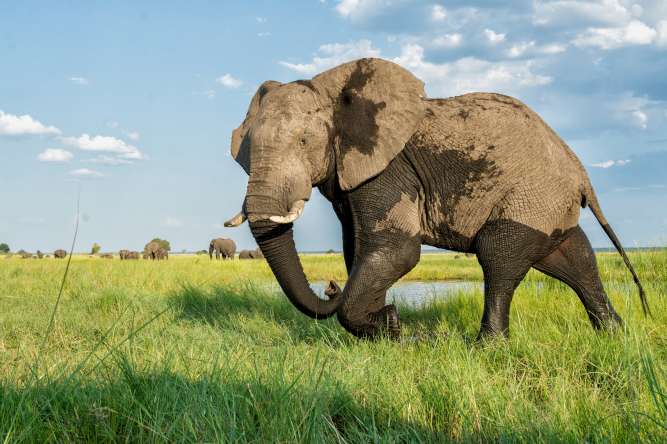
The highlight of my time in Chobe was an afternoon photographic safari. Chobe National Park elephant safari is a must for any wildlife enthusiast. Chobe is renowned for its massive elephant populations, and I was not disappointed. We witnessed a huge herd of elephants – numbering in the hundreds – making their way to the Chobe River to drink. The sight of these gentle giants, silhouetted against the setting sun, was truly awe-inspiring. I made sure to use my long lens to photograph the wildlife responsibly, maintaining a safe distance and minimizing disturbance. The Chobe River photographic safari tips I followed emphasized respecting their space.
A Taste of Botswana: Local Cuisine in Kasane
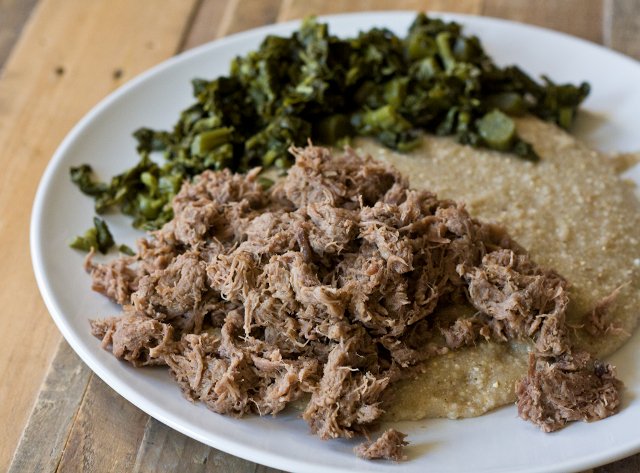
No trip to Botswana is complete without experiencing the local cuisine. In Kasane, I ventured into a small, family-run restaurant to sample some traditional dishes. I tried seswaa, a flavorful pounded beef dish, slow-cooked to perfection. The morogo, wild spinach, was surprisingly delicious and packed with nutrients. And I savored dikgobe, a hearty mix of samp and beans, providing a satisfying and comforting meal. I even tried mageu, a fermented maize drink, which was an acquired taste but definitely a unique cultural experience. Exploring Botswana cultural food deepened my appreciation for the country.
Ethical Tourism: Minimizing Your Impact
Throughout my journey, I was mindful of minimizing my environmental impact and supporting local communities. Here are a few tips for sustainable tourism Okavango Delta:
- Reusable Water Bottle: I religiously used my Hydro Flask to avoid single-use plastic bottles.
- Eco-Friendly Sunscreen: ThinkSport sunscreen is reef-safe and doesn't harm the delicate aquatic ecosystems.
- Support Local Craft Vendors: At the Kasane market, I purchased handcrafted souvenirs directly from the artisans, ensuring that my money went directly to the community. You can find great, local crafts to buy in Botswana ethically there.
- Respect Local Customs: Learning a few basic Setswana phrases and being mindful of local traditions goes a long way in showing respect. Learning how to respect local culture Botswana makes a difference.
Consider donating to the Okavango Wilderness Project [okavangowildernessproject.org] or Elephants Without Borders [elephantswithoutborders.org] to support conservation efforts. These organizations are crucial in protecting Botswana's precious wildlife and ecosystems.
Advice for Solo Female Travelers in Botswana
Traveling solo as a woman can be incredibly empowering, but it's essential to prioritize safety. Here's some advice for solo female travel Botswana, based on my experience:
- Always inform the lodge staff of your plans. Whether you're going for a walk or joining a game drive, let them know your destination and expected return time.
- Carry a personal safety alarm. This can be useful in deterring potential threats.
- Trust your instincts. If a situation feels uncomfortable, remove yourself immediately.
- Learn a few basic Setswana phrases. This will help you communicate with locals and show respect for their culture.
- Arrange transport ahead of time: Knowing your transport options eases any stress.
- Invest in good gear: Bring a high-quality headlamp, durable hiking shoes, and a well-stocked first-aid kit.
- Understand pre-trip logistics: What are the requirements for visa into Botswana? Do I need travel insurance when visiting Botswana?
- Be aware of your surroundings: Avoid walking alone at night and stick to well-lit areas.
- Stay connected: Purchase a local SIM card to stay in touch with family and friends.
- Ask questions: The locals are often willing to give sound advice
Final Thoughts
My ten-day adventure in Botswana was an unforgettable experience. From the tranquil waterways of the Okavango Delta to the vast elephant herds of Chobe National Park, I was constantly amazed by the country's natural beauty and rich wildlife. As a solo female traveler, I felt safe, empowered, and deeply connected to the environment. I encourage you to explore Ethical Botswana safari tours from Maun.
It is our collective responsibility to travel responsibly and sustainably, ensuring that these precious ecosystems are preserved for future generations. Donate to the Okavango Wilderness Project [okavangowildernessproject.org] or Elephants Without Borders [elephantswithoutborders.org] and become a part of the conservation effort. Let's all do our part to protect Botswana's untamed beauty.