Botswana's Okavango Delta: A Photographer's Para...
The contrast hits you the moment you step off the plane at Maun Airport. One minute you're in a modern, air-conditioned building, the next you're enveloped by the dusty, vibrant energy of Botswana. This is the gateway to the Okavango Delta, a place I've dreamt of photographing for years. As a wildlife photographer for National Geographic, specializing in intimate wildlife portraits and environmental storytelling, I've documented the snow leopards of the Himalayas and the Orangutans of Borneo. Now, I’m embarking on a two-week assignment in the heart of the Delta, during the peak of the flood season in July. The air hums with anticipation, a tangible buzz created by the rows of prop planes lined up, ready to whisk tourists away to their Delta adventures. I feel it too, the thrill of beginning this new chapter and capturing the soul of this extraordinary place. Today, Nxabega Okavango Tented Camp, a luxury photographic safari camp renowned for its low-impact tourism and its prime location near the Gomoti River system, is calling.
Arrival at Nxabega: A Sanctuary in the Delta
A quick transfer to a 5-seater Cessna offers my first aerial glimpse of the Okavango Delta. From above, it’s a breathtaking tapestry of emerald green waterways, dotted with islands of varying sizes. The intricate network of channels seems to stretch endlessly, a true inland delta. Touching down at Nxabega's airstrip, I'm immediately greeted by the camp staff and the sounds of the African bush. Nxabega is more than just a luxury camp; it's a haven designed with the environment in mind. The tents are spacious and comfortable, but the real draw is the camp's location – strategically positioned to offer unparalleled access to the Gomoti River system and its incredible wildlife.
Mokoro Safari on the Gomoti River: A Dance with Nature
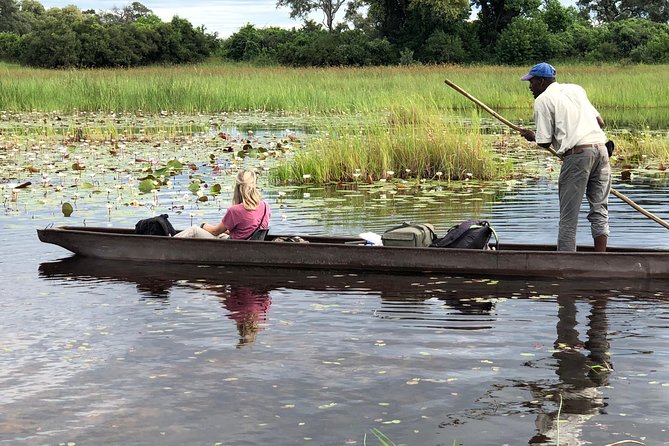
My first adventure is a mokoro safari on the Gomoti River. A mokoro is a traditional dugout canoe, crafted from a single, sustainably harvested Kiaat tree. It's the perfect way to navigate the shallow waterways of the Delta, offering an intimate and silent approach to wildlife viewing. However, photographing from a mokoro presents unique challenges. Maintaining balance is crucial, and minimizing noise is essential to avoid disturbing the animals.
Navigating these waters demands patience and a deep respect for the water.
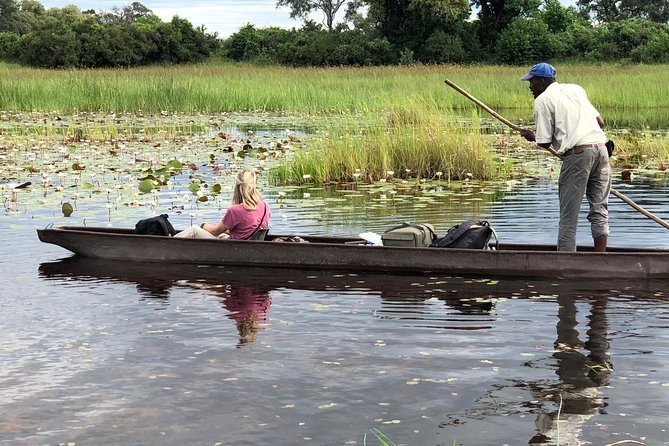
The vividly colored Malachite Kingfishers dart among the papyrus reeds, flashes of turquoise against the green. I spot elusive Sitatunga antelopes with their elongated hooves, grazing on the banks, perfectly adapted to the marshy environment. But the constant awareness of crocodiles lurking beneath the water's surface, identified by their tell-tale V-shaped wakes, keeps me on edge.
Walking Safari with Baoki: Unveiling the Secrets of the Land
The next day, I join Baoki, a local guide from the Bayei tribe, for a walking safari. Baoki's knowledge of the Delta is encyclopedic, and he teaches me the art of identifying animal tracks in the sandy soil. The distinct pugmarks of a leopard, the delicate footprints of a steenbok, and the tell-tale signs of dung beetles at work – each tells a story of the bush. He points out the medicinal properties of the Devil's Claw plant, used for centuries to treat various ailments. The thrill of the bush is always lurking. We unexpectedly encountered an African Wild Cat stalking a helmeted guinea fowl. The encounter happened so quickly that I had to swiftly adjust my camera settings, from a long shot to a close-up, to capture the moment before it disappeared into the bush.
A Glimpse into Culture: Visiting Etsha 6
A visit to the small Hambukushu village of Etsha 6, located on the western fringes of the Delta, offers a different perspective. Here, I witness the intricate basket weaving traditions of the women. They create stunning patterns using dyes derived from the bark of the Motsentsela tree (for browns), the roots of the Mosukujane plant (for reds), and the leaves of the Mowana tree (for yellows).
Each basket tells a story, a story of our connection to the Delta, our ancestors, and our future.
Their designs, often passed down through generations, depict scenes of village life, animals, and the natural world, showcasing their deep connection with the environment.
A Taste of Botswana: Local Cuisine
Back at camp, I indulge in the local cuisine. Seswaa (pounded beef) is a highlight – rich, savory, and slow-cooked for hours in an underground oven, infused with smoky notes from the Mopani wood. Morogo (wild spinach), with its earthy, slightly bitter taste and nutritional value, is often served with a peanut sauce. Bravely, I try Mopane worms (caterpillars), a regional delicacy. Their surprisingly nutty flavor and slightly chewy texture were memorable. These are an important source of protein for local communities, traditionally harvested after the first rains.
The Landscape Unveiled: A Tapestry of Water and Life
The Okavango Delta during the flood season is a spectacle of nature. The endless papyrus swamps, home to countless birds and insects, stretch as far as the eye can see. Islands dotted with towering Borassus palm trees offer shade and refuge. The crystal-clear lagoons reflect the vast African sky, creating breathtaking reflections. The calls of the African fish eagle echo across the waterways, a constant reminder of the wildness of this place. And the vibrant colors of the water lilies (Nymphaea nouchali) blooming in abundance, their petals unfurling in the morning sun, add a touch of magic to the landscape.
Zara's Photographic Arsenal: Capturing the Delta's Soul
For this assignment, I brought two Canon EOS R5 bodies for backup and redundancy. My lenses include a Canon EF 100-400mm f/4.5-5.6L IS II USM lens for wildlife shots, a Canon RF 24-70mm f/2.8L IS USM lens for landscapes and village life, and a Gitzo tripod for stability. The challenges of protecting my equipment from dust, humidity, and the occasional splash of water during the mokoro safari are real, and having reliable weather sealing is essential. The 100-400mm is vital, not just for the zoom, but for its incredible stabilization when working out of a mokoro." I find it invaluable when I'm working from the unstable vantage point of a mokoro."
Human-Wildlife Conflict: A Growing Challenge
Sadly, the Okavango Delta is not without its challenges. Increasing human-wildlife conflict is a major concern, as elephants increasingly raid crops and water sources due to habitat loss and drought caused by climate change. I witnessed firsthand the efforts of local conservation organizations to implement non-lethal mitigation strategies, such as chili fences and early warning systems, to protect both wildlife and local communities.
A Leopard in a Sausage Tree: A Moment of Pure Magic
Seeing that leopard in that sausage tree was almost spiritual, a privilege I will never forget.
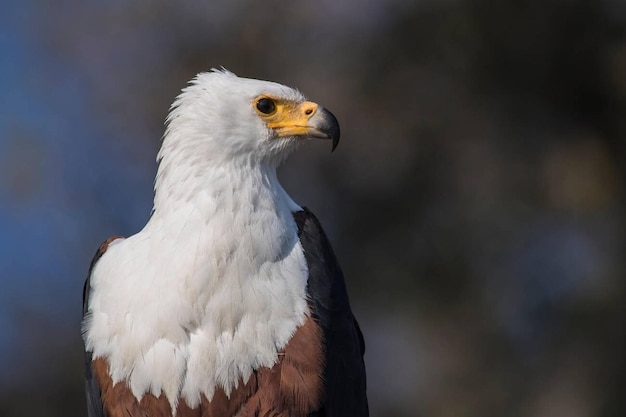
I managed to capture a dramatic photograph of a leopard resting in the branches of a Sausage Tree (Kigelia africana), taken at sunset. A wide-angle shot of a large herd of elephants crossing the Khwai River, with the dust rising around them, is another image I'm proud of. And a close-up portrait of an African Fish Eagle perched on a dead branch, its piercing yellow eyes staring directly into the camera, hopefully captures the essence of this magnificent bird.
A Call to Action: Preserving the Okavango Delta
The Okavango Delta, a UNESCO World Heritage Site and one of the world's largest inland deltas, is a treasure that must be preserved. Its raw beauty and vulnerability to climate change serve as a powerful reminder of the importance of conservation efforts.
What does the Delta mean to me? Everything. It is raw and beautiful, but vulnerable to climate change and human impact. It is up to us to protect it.
I urge you to support sustainable tourism in the region by choosing eco-friendly lodges and tour operators, donating to conservation organizations working on the ground, and spreading awareness about the importance of protecting this unique ecosystem for future generations. Consider a visit, but travel respectfully and with an awareness of your impact.
The Okavango Delta is a place that will stay with me forever. It's a photographer's paradise, a wildlife lover's dream, and a testament to the power and beauty of nature. Let's work together to ensure it remains that way for generations to come.