Botswana Through My Lens: A Wildlife Photographe...
Botswana, a landlocked country in Southern Africa, had always been a dream destination for me. As a wildlife photographer and conservationist, the opportunity to witness its unparalleled natural beauty and contribute to its preservation was irresistible. My recent trip during the dry season (June-August) to the Okavango Delta and Chobe National Park exceeded all expectations. Join me as I recount my adventures, from gliding through the waterways in a mokoro to capturing the majesty of elephants along the Chobe River. This is Botswana through my lens, a journey filled with awe, respect, and a deep appreciation for its wild heart. This journey inspired me to share my knowledge about Botswana Wildlife Photography so others can plan their own trip!
Drifting Through Paradise: My Mokoro Safari in the Okavango Delta
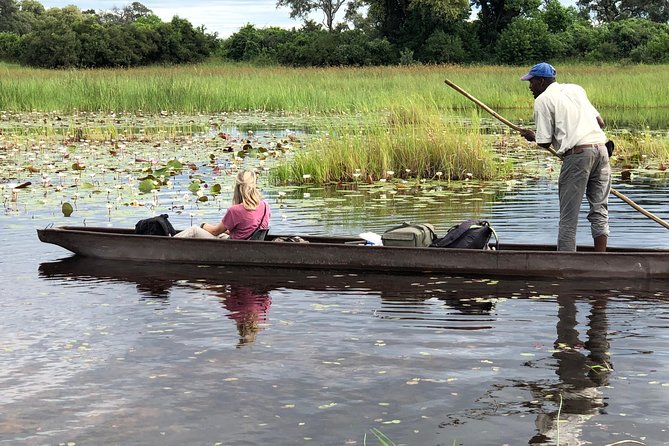
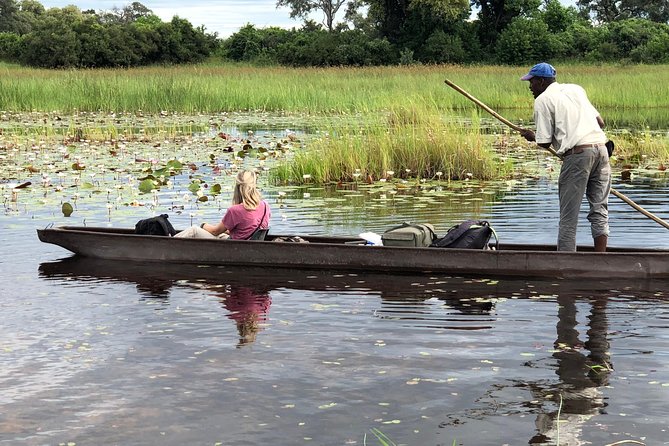
The Okavango Delta, a UNESCO World Heritage site, is a truly unique ecosystem. Unlike most deltas that flow into the sea, the Okavango River empties into the sands of the Kalahari Desert, creating a vast inland oasis. I chose to experience this natural wonder through a traditional mokoro safari Okavango Delta.
The Serenity of the Waterways
A mokoro is a traditional dugout canoe, expertly navigated by a local poler. Gliding silently through the narrow waterways was an incredibly peaceful experience. The only sounds were the gentle lapping of water against the mokoro and the calls of the diverse birdlife. The water was crystal clear, reflecting the sky and the surrounding vegetation, creating a surreal and breathtaking panorama.
Floodplains and Islands
The landscape of the Okavango Delta is a mosaic of floodplains and islands, each teeming with life. We passed through vast expanses of reeds and papyrus, where colourful birds flitted about. The islands, ranging in size from a few square meters to several kilometers, offered a glimpse into a different ecosystem, with lush vegetation and a variety of wildlife.
Encounters with Wildlife
During my mokoro safari experience in Botswana Okavango Delta, I had several unforgettable wildlife encounters. We spotted hippos wallowing in the deeper pools, their massive bodies almost submerged, only their eyes and nostrils visible. The birdlife was spectacular, with kingfishers, fish eagles, and herons in abundance. I even managed to capture a few decent shots of the elusive African jacana, also known as the "Jesus bird" for its ability to walk on water lilies.
The Elephant Kingdom: A Photographic Safari in Chobe National Park
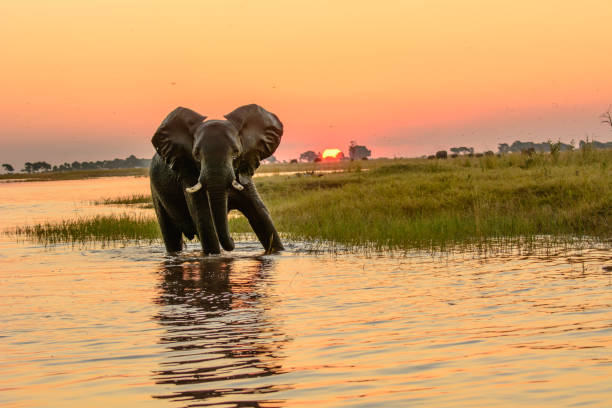
From the tranquil waterways of the Okavango, I travelled to Chobe National Park, famous for its massive elephant population. The Chobe National Park Elephants are a sight to behold, especially during the dry season when they congregate along the Chobe River.
The Riverfront Spectacle
The dry season forces wildlife to concentrate around the available water sources, and the Chobe River is a magnet for elephants. Witnessing hundreds of elephants drinking, bathing, and playing in the river was an extraordinary experience. The sheer number of these gentle giants was overwhelming.
Photographic Challenges and Triumphs
Photographing elephants presented its own set of challenges. The light was often harsh, and the elephants were constantly moving. I primarily used my Canon EOS R5 Wildlife Photography Botswana setup with the RF 100-500mm lens.
- Scenario 1: Elephants Drinking at Sunset: To capture the warm golden light, I used an ISO of 400, an aperture of f/5.6 (to maintain sharpness and get a shallow depth of field) and a shutter speed of 1/800th of a second to freeze the action.
- Scenario 2: Elephants Dust Bathing: For capturing the dynamic movement of the elephants throwing dust, I increased the shutter speed to 1/1600th of a second, kept the aperture at f/5.6, and bumped the ISO to 800 to compensate for the faster shutter speed.
One of the biggest challenges was maintaining a safe distance while still getting compelling shots. It's crucial to respect their space and avoid disturbing their natural behaviour. This is part of ethical wildlife photography Botswana.
Immersing Myself in Setswana Culture: A Visit to a Local Village
Beyond the wildlife, I was eager to experience the local culture. I visited a small village near Maun, where I was warmly welcomed by the community. This trip was a great opportunity to gain better insights into Botswana culture village visit Maun travel guide.
The Warmth of the People
The Setswana people are known for their hospitality and warmth. I was invited into their homes, where I learned about their traditions, customs, and way of life. It was a humbling experience to witness their resilience and their deep connection to the land.
A Culinary Adventure: Seswaa and Mopane Worms
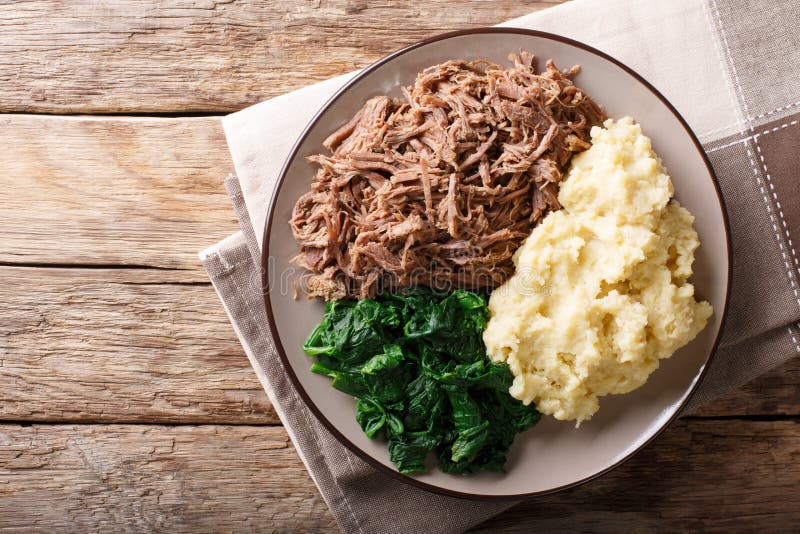
No cultural immersion is complete without trying the local cuisine. I had the opportunity to sample two traditional Botswana dishes: Seswaa and Mopane worms. This was a must-do for me! Trying Seswaa Botswana Traditional Food was a unique experience.
- Seswaa: This is pounded beef cooked underground in an earthen oven. The meat is incredibly tender and flavorful, with a rich, savory taste. It's often served with pap (maize porridge).
- Mopane Worms: These are caterpillars that are harvested from mopane trees. They can be eaten dried, fried, or cooked in a sauce. The taste is somewhat earthy and nutty, and they are a good source of protein. While initially hesitant, I found them to be surprisingly palatable.
Sustainable Tourism: Staying at Conservation-Focused Lodges
I chose to stay at lodges committed to conservation to ensure my tourism had a positive impact. I stayed at Wilderness Safaris camps in the Okavango Delta and Great Plains Conservation camps in Chobe.
Conservation Initiatives
These lodges actively support conservation initiatives, such as anti-poaching patrols, wildlife monitoring, and community development projects. By staying at these camps, I knew that my tourism dollars were directly contributing to the protection of Botswana's natural heritage.
The Positive Impact of Tourism
Sustainable tourism plays a crucial role in wildlife protection. It provides economic incentives for local communities to conserve wildlife and their habitats. The revenue generated from tourism can be used to fund conservation efforts and support community development projects. I highly recommend that travellers look for Botswana safari camps Great Plains Conservation review when selecting their trip.
Ethical Considerations for Wildlife Photography
As a wildlife photographer, I believe it's essential to practice ethical wildlife photography Botswana. Our actions can have a significant impact on the animals we photograph and their environment.
Respecting Animal Behaviour
The most important rule is to respect animal behaviour. Observe animals from a safe distance, and never approach them too closely. Avoid making loud noises or sudden movements that could startle or stress them.
Minimising Disturbance
Minimize your impact on the environment. Stay on designated trails, avoid littering, and never feed the animals. Be mindful of your carbon footprint and choose eco-friendly travel options.
Avoiding Flash Photography
Avoid using flash photography, especially at night. Flash can disorient and disturb animals, potentially disrupting their natural behaviour. If you must use flash, use it sparingly and with caution.
Supporting Conservation in Botswana: A Call to Action
My journey through Botswana was a life-changing experience. I witnessed the incredible beauty of its landscapes, the richness of its wildlife, and the warmth of its people. However, Botswana's natural heritage faces numerous threats, including poaching, habitat loss, and climate change.
You can support elephant conservation in Botswana Elephants Without Borders by donating to Botswana-based conservation organizations such as Elephants Without Borders. Every contribution, no matter how small, can make a difference.
Botswana's wild heart is worth protecting. By travelling responsibly, supporting conservation efforts, and raising awareness, we can all contribute to ensuring that future generations can experience the magic of Botswana. Consider joining a wildlife photography workshop Okavango Delta!