Bioluminescent Beaches & Stargazing Paradises: W...
Imagine standing on a beach where the sand shimmers with a gentle, ethereal glow under a sky ablaze with a million stars. This magical convergence of the ocean and the night sky isn't just a dream; it's a reality in select locations around the world. Bioluminescent beaches, where marine organisms emit light through a fascinating chemical reaction, offer an unparalleled visual spectacle. Coupled with the awe-inspiring experience of stargazing in exceptionally dark skies, these destinations provide a truly unforgettable and mindful escape. Bioluminescence is a natural phenomenon where light is produced by a chemical reaction, most commonly involving the molecule luciferin. Similarly, pristine dark skies are essential for stargazing, allowing us to witness the vastness of the universe without the interference of light pollution.
Vaadhoo Island, Maldives: The Sea of Stars
Vaadhoo Island in the Maldives is renowned for its "Sea of Stars" phenomenon. This breathtaking display is caused by bioluminescent marine microbes, primarily dinoflagellates, that inhabit the waters surrounding the island. These tiny organisms produce light when disturbed, creating a mesmerizing effect that makes the shoreline appear as if it's mirroring the starry sky above. The chemical reaction involves luciferin, a light-emitting molecule, and luciferase, an enzyme that catalyzes the reaction.
To fully experience the "Sea of Stars," consider taking a nighttime kayaking tour. As you paddle through the water, the dinoflagellates will light up with each stroke, creating a swirling galaxy of blue light around your kayak. It's an experience that connects you deeply to the ocean and its hidden wonders.
To protect this fragile ecosystem, responsible tourism practices are crucial. Avoid using any harsh chemicals or soaps in the water, and refrain from disturbing the marine life. The best time to visit Vaadhoo Island for peak bioluminescence is typically during the late summer and fall months, when the plankton populations are at their highest. Learn more about responsible tourism.
Mosquito Bay, Vieques, Puerto Rico: A Bioluminescent Bay
Mosquito Bay on Vieques Island, Puerto Rico, is another exceptional location for witnessing bioluminescence. This bay boasts an incredibly high concentration of bioluminescent dinoflagellates, making it one of the brightest bioluminescent bays in the world. The density of these microorganisms, combined with the bay's protected environment, creates a truly spectacular display.

Imagine swimming or kayaking in the bay at night, surrounded by glowing water. Every movement creates a ripple of light, as the dinoflagellates react to the disturbance. The experience is both magical and surreal, offering a unique connection to the natural world.
Conservation efforts are paramount to protecting this fragile ecosystem. Restrictions are in place to limit the number of visitors and to prevent pollution. Guided tours that emphasize eco-friendly practices are the best way to experience Mosquito Bay while minimizing your impact. These tours often provide valuable information about the biology of bioluminescence and the importance of conservation.
The Science of Bioluminescence
Bioluminescence is a fascinating phenomenon driven by a chemical reaction within living organisms. The key components are:
- Luciferin: A light-emitting molecule specific to each bioluminescent organism.
- Luciferase: An enzyme that catalyzes the oxidation of luciferin, producing light.
- Oxygen: Required for the oxidation reaction.
- Photoprotein: A protein which emits light
The color of the light emitted depends on the type of luciferin and luciferase involved. In dinoflagellates, the light is typically blue-green. Factors like temperature, pH, and salinity can also affect the intensity of the bioluminescence.
Namib Desert Coastline, Namibia: Stargazing Under Unrivaled Darkness
While bioluminescent beaches offer a magical experience in the water, the Namib Desert coastline in Namibia provides an equally stunning display in the sky. This region boasts some of the darkest skies on Earth, thanks to minimal light pollution and vast, open spaces. The extreme darkness allows for unparalleled stargazing opportunities, including the ability to see the Milky Way with exceptional clarity. Namib desert is a Dark Sky Reserve, ensuring best stargazing conditions.
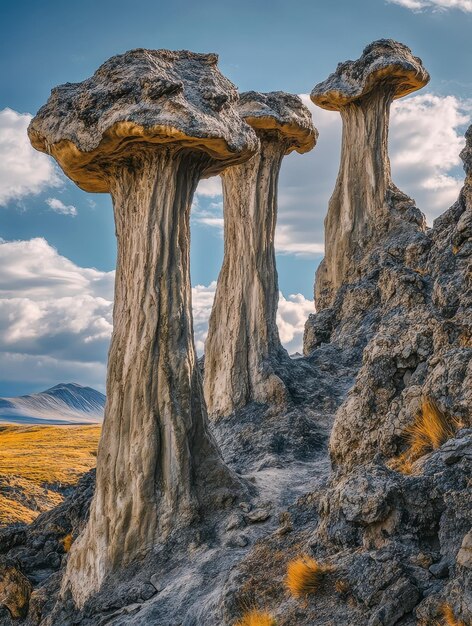
Under these pristine conditions, the night sky explodes with a tapestry of stars, planets, and galaxies. The sheer number of stars visible is breathtaking, creating a profound sense of awe and wonder.
Consider participating in astrophotography workshops to learn how to capture stunning images of the night sky. These workshops often provide instruction on long exposure techniques and equipment recommendations, such as tripods, wide-angle lenses, and cameras with manual mode. Remember to adhere to responsible travel practices in the desert environment, including minimizing your impact on the landscape and respecting the local wildlife. Explore guided astrophotography tours.
International Dark Sky Places
The International Dark-Sky Association (IDA) recognizes locations with exceptionally dark skies as International Dark Sky Places. These designations help to protect dark skies and promote responsible outdoor lighting practices. The NamibRand Nature Reserve in Namibia is one such designated place, making it an ideal location for stargazing.
Mindful Activities to Connect with Nature
These unique locations offer opportunities for mindful activities that can deepen your connection with nature:
- Nighttime Kayaking: Paddle through bioluminescent waters, allowing the glowing organisms to guide your way. The silence and the shimmering light create a meditative experience.
- Astrophotography Workshops: Learn how to capture the beauty of the night sky. Recommended gear includes a tripod, a wide-angle lens, and a camera with manual mode.
- Meditation Under the Stars: Use astronomy apps like SkyView Lite or Star Walk 2 to identify constellations and planets while meditating under the vast expanse of the night sky.
Planning Your Trip for Astrophotography and Bioluminescent Adventures
The best time to see bioluminescence varies by location, but generally occurs when water temperatures are warmer, often in the late summer or fall. However, for Mosquito Bay specifically, optimal conditions are typically during the dry season. For astrophotography, the New Moon is the best time to stargaze for minimal light pollution. Consider the following:
- Check the lunar calendar.
- Research the best time to visit a specific location for optimum viewing conditions
- Bring appropriate gear such as cameras, tripods, and lenses for astrophotography.
- Pack a waterproof bag for electronics during kayaking trips
Responsible Bioluminescence Tourism
Responsible tourism is essential for protecting these delicate environments:
- Avoid touching or disturbing marine life.
- Do not use any chemicals, lotions, or sunscreens in the water.
- Choose eco-friendly tour operators that prioritize conservation.
- Respect local regulations and guidelines.
- Minimize light pollution.
Conclusion
The allure of bioluminescent beaches and stargazing paradises lies in their unique visual wonders and the mindful experiences they offer. These destinations provide a rare opportunity to connect with nature on a profound level, witnessing the magic of bioluminescence and the awe-inspiring beauty of the cosmos. Plan your trip to experience these wonders firsthand, and remember to practice responsible tourism to protect these fragile ecosystems for generations to come. Start planning your adventure today at vistalocation.com.