Bioluminescence Tourism Planning: Explore the Ma...
Bioluminescence, the captivating natural phenomenon of living organisms producing light, draws travelers from around the globe. From the glowing waters of Mosquito Bay in Puerto Rico to the shimmering depths of Halong Bay in Vietnam, these destinations offer unforgettable experiences. But be warned: your visit, however well-intentioned, could inadvertently contribute to the demise of these fragile ecosystems. The surge in bioluminescence tourism, if not managed sustainably, poses a significant threat due to light pollution and irresponsible practices. Explore the wonders responsibly and discover sustainable bioluminescence travel options to ensure these magical places endure for future generations. Find curated travel options and planning tools at vistalocation.com.
First Stop: Mosquito Bay, Vieques, Puerto Rico
Mosquito Bay, located on the island of Vieques, Puerto Rico, is renowned as one of the most spectacular bioluminescent bays in the world. Home to millions of Pyrodinium bahamense dinoflagellates, this natural wonder creates an ethereal glow that illuminates the water with every movement. Despite attracting over 100,000 visitors annually, as noted by the Department of Natural Resources, this delicate ecosystem is increasingly threatened by light pollution and unsustainable tourism practices.
Kayaking Responsibly in Mosquito Bay
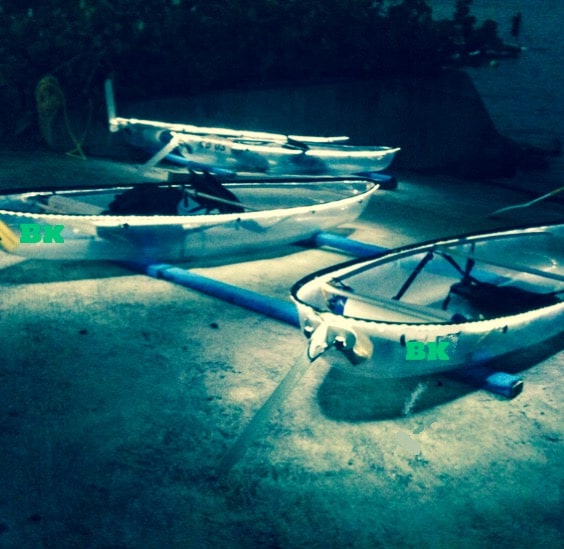
Choosing the right equipment can minimize your environmental impact. Rent a Sea Eagle 350fx kayak; its durable construction minimizes environmental impact. Sea Eagle supports sustainable tourism initiatives, making it a responsible choice for exploring the bay.

When kayaking, avoid stirring up the sediment at the bottom of the bay, as this can harm the dinoflagellates. Paddle gently and follow the guidance of your tour operator. Opt for Mosquito Bay sustainable kayaking tours that prioritize conservation and environmental awareness.
Capturing the Glow: Photography Tips
Photographing bioluminescence requires specific techniques. Use a RED camera with the following settings as a starting point: ISO 3200, aperture f/2.8, shutter speed 1/30s. Experiment with these settings to find the optimal exposure for the ambient light conditions. Remember to minimize light pollution by avoiding flash photography and using red light headlamps, which have less impact on the dinoflagellates. Prioritize bioluminescence photography practices eco-friendly methods to minimize your footprint.
Supporting Conservation Efforts
Responsible tourism is essential for preserving Mosquito Bay. Donate $10 per visitor to the Vieques Conservation and Historical Trust (viequesconservation.org) to support their ongoing conservation efforts. Participate in light pollution mapping projects using a Sky Quality Meter to help monitor and mitigate the impact of artificial light on the bay.
Eco-Friendly Accommodation: El Blok Hotel
Instead of generic hotels, stay at El Blok Hotel in Vieques (elblokhotel.com). Its unique concrete design minimizes reliance on air conditioning, and it promotes rainwater harvesting, significantly reducing its environmental footprint. El Blok also actively supports dark sky initiatives, aligning with sustainable tourism principles.

Next Stop: Luminous Lagoon, Jamaica
Journey to Luminous Lagoon in Jamaica, where Pyrodinium bahamense again creates a mesmerizing spectacle. This lagoon is another prime example of bioluminescence, offering boat tours that showcase the glowing waters. Look for responsible bioluminescence tours that adhere to sustainable practices, ensuring the preservation of this natural wonder. Research the best ethical night tours Mosquito Bay and Luminous Lagoon offer.
Exploring Halong Bay, Vietnam
Finally, explore Halong Bay, Vietnam, a UNESCO World Heritage site, where the bioluminescence comes from Noctiluca scintillans. These single-celled organisms create a stunning display of light, particularly during certain times of the year.
Minimizing Your Impact in Halong Bay
Be cautious when on a cruise or kayak tour. Avoid using bright lights, as these attract tourists to the affected area and contribute to light pollution. Opt for tours that use minimal lighting and educate visitors about the importance of preserving this fragile ecosystem. Consider an Halong Bay bioluminescence eco-tour to ensure your travel minimizes environmental impact.
Why is Bioluminescence Tourism Important?
Bioluminescence tourism, when practiced responsibly, raises awareness about the delicate balance of marine ecosystems and the importance of conservation. It can also provide economic benefits to local communities, incentivizing them to protect these natural wonders. However, the key is to prioritize responsible bioluminescence tours and minimize the negative impacts associated with tourism.
How does light pollution affect bioluminescence?
Light pollution disrupts the natural behaviors of dinoflagellates and other bioluminescent organisms. Artificial light can interfere with their ability to find food, reproduce, and communicate, ultimately leading to a decline in their populations. Minimizing light pollution is crucial for preserving these ecosystems. This also impacts nesting sites of sea turtles which relies on dark sky.
What can I do to minimize my impact on bioluminescent bays?
Here are several ways you can minimize your impact:
- Choose eco-friendly tour operators with ecotourism certification.
- Avoid using flash photography.
- Minimize artificial light sources.
- Don't stir up the sediment.
- Donate to conservation organizations.
- Educate others about responsible tourism.
How can I find responsible bioluminescence tour operators?
Look for tour operators that:
- Are certified by sustainable tourism organizations.
- Use eco-friendly equipment.
- Educate visitors about conservation.
- Support local communities.
- Limit the size of their tour groups.
Conclusion: Preserving the Magic
Bioluminescence is a truly magical phenomenon that deserves our respect and protection. By choosing sustainable bioluminescence travel options, supporting conservation efforts, and minimizing our impact, we can ensure that future generations have the opportunity to witness these incredible natural wonders. Visit vistalocation.com today to plan your responsible bioluminescence adventure and help preserve these fragile ecosystems. Support marine conservation and choose to travel responsibly.