Bio-Integrated Beach Escapes: Sustainable Luxury...
Imagine waking to the sounds of the rainforest, the gentle lapping of waves, and the feeling of complete harmony with your surroundings. In Southeast Asia, a new wave of sustainable luxury is redefining the travel experience. These aren't just beautiful resorts; they are testaments to bio-integrated design, where architecture and nature seamlessly intertwine, creating havens of tranquility and environmental responsibility. Join us as we explore three exceptional beaches in Malaysia, Indonesia, and Thailand, each exemplifying this philosophy and offering a unique pathway to mindful connection with nature. These eco-conscious architecture hotels offer an experience unlike any other.
The Datai Langkawi, Malaysia: Where Rainforest Meets Refinement
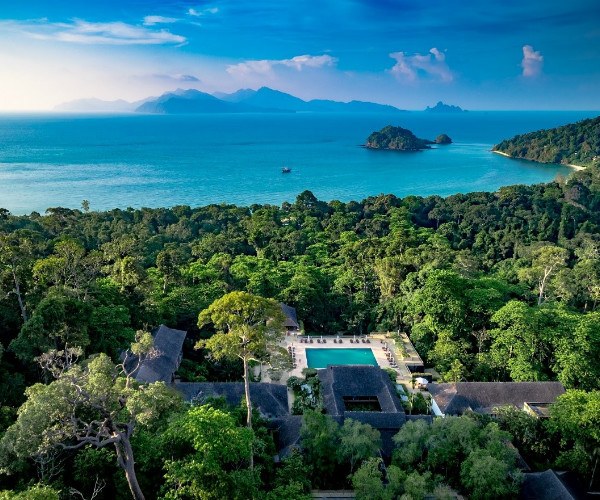
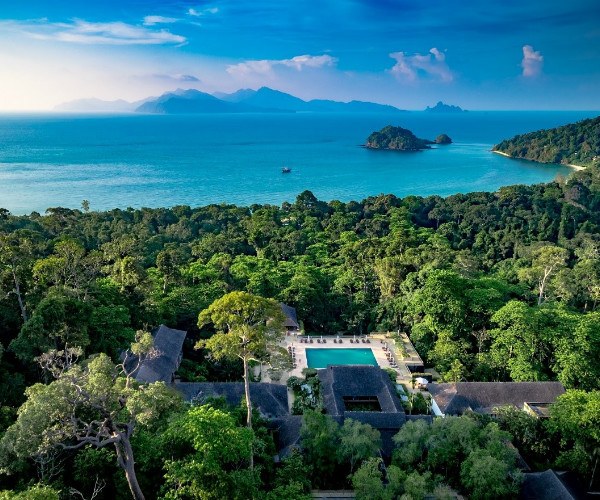
Nestled within a ten-million-year-old rainforest on the island of Langkawi, a Langkawi UNESCO Geopark, The Datai Langkawi is a masterclass in green roof resorts Asia. Its design philosophy centers on minimizing its impact on the fragile ecosystem while maximizing the guest's immersion in nature. The resort seems to emerge organically from the jungle, blurring the lines between the built environment and the natural world.
Architectural Harmony
The Datai’s commitment to eco-design luxury travel is evident in every detail. The use of locally sourced materials, such as timber and stone, grounds the architecture in its environment. Roofs are covered in indigenous plants, effectively creating green roofs that help regulate temperature, reduce rainwater runoff, and provide habitat for local wildlife. The open-air design encourages natural ventilation hotel design, minimizing the need for air conditioning and allowing the sounds and scents of the rainforest to permeate the resort. The resort also demonstrates sustainable hospitality in the following ways:
- Minimizing disruption: Built with minimal clearing to protect the ancient rainforest.
- Supporting local communities: Employing local artisans and sourcing products from nearby villages.
- Conservation efforts: Participating in research and conservation projects, including hornbill preservation.
Mindfulness by the Shore: Mindful Shell Collecting
Embrace the tranquility of The Datai by engaging in mindful shell collecting along its pristine beach. As you stroll along the shore, pay attention to the unique shapes, textures, and colors of the shells you find. Consider the journey each shell has taken, carried by the ocean currents to this very spot. This simple act of observation can be a powerful way to connect with the natural world and find a sense of calm. Later you can even research the various species that created the shells! What are the benefits of mindfulness retreats in nature? They include reducing stress, connecting with nature, and improving mental clarity.
Nihi Sumba, Indonesia: Community-Based Conservation and Sustainable Design
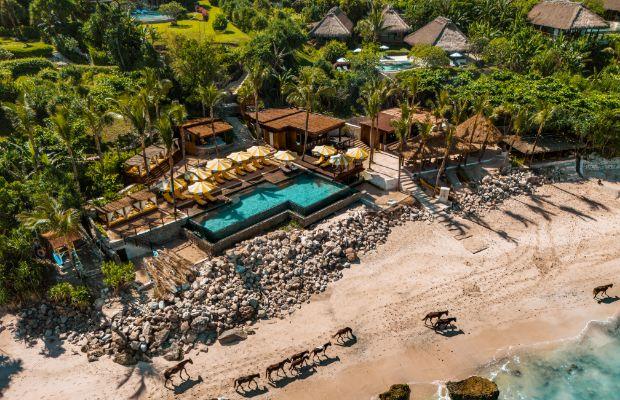
Nihi Sumba, a remote island paradise, takes a holistic approach to sustainability, prioritizing community empowerment and environmental conservation. It is a prime example of sustainable hospitality Southeast Asia. The resort's design is deeply rooted in the local culture and traditions, with architecture that reflects the island's unique aesthetic and utilizes local materials construction Southeast Asia.
Eco-Conscious Construction
Nihi Sumba’s villas are constructed using locally sourced materials such as bamboo, alang-alang grass, and reclaimed wood. This approach not only reduces the resort's carbon footprint but also supports the local economy and preserves traditional building techniques. The open-air design maximizes natural ventilation, while solar panels provide a significant portion of the resort's energy needs. A significant portion of Nihi Sumba’s profits goes to the Nihiwatu Foundation, which supports community projects focused on education, health, and clean water access. How does sustainable architecture benefit local communities? It provides jobs, uses local resources, and promotes cultural preservation.
Transient Beach Art: A Creative Expression
Connect with the spirit of Nihi Sumba by creating transient sculptures using found objects on the beach. Gather driftwood, stones, leaves, and shells, and arrange them into temporary artworks that reflect your connection to the island's natural beauty. Embrace the impermanence of your creations, knowing that they will eventually be reclaimed by the sea. This activity encourages creativity, mindfulness, and a deeper appreciation for the ephemeral nature of life. Consider the impact you leave behind, and take all non-natural items back with you.
Six Senses Yao Noi, Thailand: Harmonizing with Limestone Cliffs
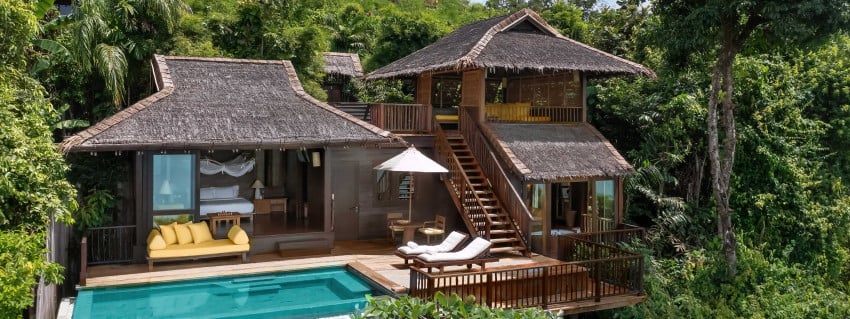
Perched dramatically on the island of Yao Noi island, Phang Nga Bay, Six Senses Yao Noi offers breathtaking views and a profound sense of tranquility. The resort's design philosophy centers on seamlessly integrating its villas into the dramatic limestone cliffs and lush surrounding landscape. This exemplifies eco-luxury resorts integrating local ecosystems in Thailand.
Integrated Design
The villas at Six Senses Yao Noi are designed to blend harmoniously with the natural environment. Elevated walkways minimize ground disturbance, while natural materials such as wood and thatch are used extensively. The open-air design allows for natural ventilation, and private plunge pools offer stunning views of the bay. The resort is committed to sustainable practices, including water conservation, waste reduction, and support for local communities. Consider these additional features:
- Elevated structures: Villas are built on stilts to minimize impact on the ground vegetation and wildlife.
- Green roofs: Some villas feature green roofs that blend seamlessly with the surrounding foliage.
- Rainwater harvesting: Rainwater is collected and used for irrigation and other non-potable purposes.
Nature's Palette: Natural Pigment Artwork
Immerse yourself in the beauty of Yao Noi by creating artwork using natural pigments found on the island. Gather soil, leaves, flowers, and berries, and experiment with creating different colors and textures. Use these pigments to paint on paper or fabric, capturing the essence of the island's vibrant landscape. This activity encourages creativity, mindfulness, and a deeper connection to the natural world. It's a chance to engage in mindfulness practices beach destinations. What is bio-integrated design in architecture? It's design that seamlessly blends with and enhances the natural environment.
These three Southeast Asian beaches offer a glimpse into the future of sustainable luxury travel. By embracing bio-integrated design principles, these resorts are not only minimizing their environmental impact but also creating truly transformative experiences for their guests. They offer a pathway to reconnect with nature, find inner peace, and appreciate the beauty of our planet. If you're asking yourself, "Where can I find environmentally friendly luxury hotels in Southeast Asia?" look no further.
Ready to embark on your own journey of mindful connection with nature?
Explore vistalocation.com's curated 'Coastal Calm' wellness boxes, containing ethically sourced aromatherapy oils, locally made journals for nature sketching, and seed packets for indigenous coastal plants, and bring the essence of these serene destinations home with you. It is the perfect wellness box for mindful travel.
And be sure to check out our upcoming immersive retreats in Bali focusing on bio-integrated design principles and nature-based mindfulness. Bali retreats bio-integrated design nature-based mindfulness await you, offering a transformative journey into the heart of sustainable luxury. Click here to learn more and reserve your spot.
Let Vista Location help you discover your own path to Coastal Calm.