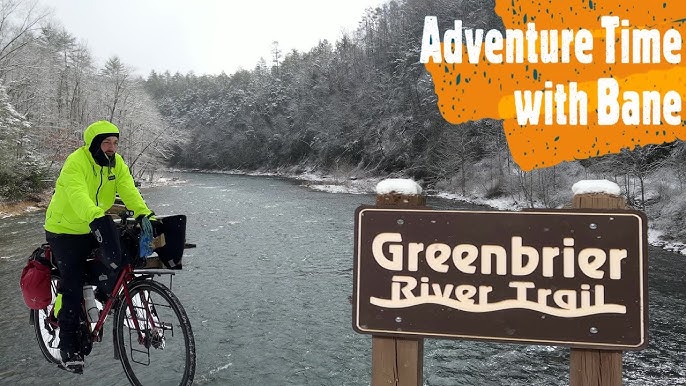
Bike Touring the Greenbrier River Trail: A Multi...
The Greenbrier River Trail in West Virginia is calling! Stretching for 78 miles along a former railway, it offers a relatively flat, scenic path perfect for bike touring. We’re Carol and Susan, two seasoned cyclists in our late 50s, and we recently introduced Carol’s 25-year-old nephew, David, to the joys of bike touring on this gem. This cycling guide will give you all of the tips and tricks we’ve learned! From navigating access points to choosing the right gear, and understanding trail etiquette, we'll share our experiences and insights for planning your own Greenbrier River Trail adventure.
Finding Your Way: Access Points and Campsites Along the Greenbrier River Trail
The Greenbrier River Trail is easily accessible at several points along its 78-mile length. The Greenbrier River Trail Association Greenbrier River Trail Association provides an official map (PDF version available online) that's essential for planning your trip. This cycling guide will give you some mile marker locations.
North End: The northern trailhead is located near Cass, West Virginia. This is a great starting point if you're looking to cycle the entire trail southward.
Marlinton (Mile 10): Marlinton offers parking, restrooms, and nearby amenities like restaurants and lodging.
Watoga State Park (Near Mile 22): While not directly on the trail, Watoga State Park is a short ride away and offers a variety of camping options and recreational activities.
Denmar (Mile 30): This is a popular access point with a designated campsite nearby. It’s located a few miles south of Droop Mountain Battlefield State Park. There are vault toilets available here.
Seebert (Mile 39): Another convenient access point with parking.
Caldwell (Mile 52): Another popular spot with camping and vault toilets. This is a good mid-point for a multi-day trip.
North Caldwell (Mile 56): Offers access to the river as well as a convenient halfway point.
Renick (Mile 60): Located south of North Caldwell along US Route 219 and the Greenbrier River.
Southern Terminus: The southern end of the trail is near North Caldwell, WV.
Using the map, you can easily identify these access points and plan your daily mileage accordingly. Remember to note the location of water sources and restrooms, especially when planning longer stretches between stops.
This image displays a detailed view of the Greenbrier River Trail map, highlighting the various access points and points of interest along the trail.
Lightweight Camping Setup for Bike Touring
One of the keys to a successful bike tour is having the right gear. Here's a glimpse into our setup:
- Tent: We swear by the Big Agnes Copper Spur HV UL2 Bikepack tent. It's incredibly lightweight and packs down small. The shorter pole sections are designed specifically for bikepacking, and it easily straps to the handlebar with its included compression straps.
- Panniers: Our Ortlieb Back-Roller Classic panniers are waterproof and durable, perfect for carrying clothing, cooking supplies, and other essentials. These panniers clip securely to our racks and are easy to remove when setting up camp.
- Bike Security: A lightweight cable lock is essential for securing bikes at night. We run the cable through the frames and wheels, attaching them to a tree or picnic table.
Setting up camp is a breeze with lightweight gear. Within minutes, we had our tent pitched, sleeping bags unrolled, and camp chairs set up. Don’t forget to bring a small first aid kit as well. This is also a great time to set up a bike repair station.
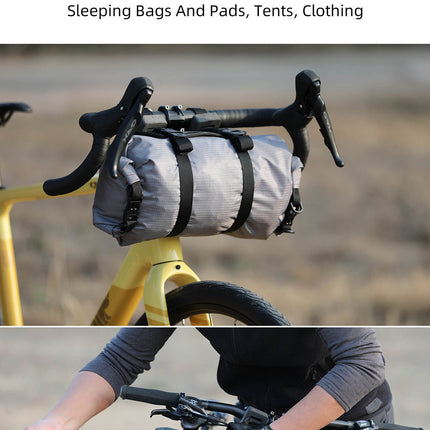
This picture showcases a campsite along the Greenbrier River Trail, with a Big Agnes Copper Spur HV UL2 Bikepack tent pitched, Ortlieb Back-Roller Classic panniers attached to bikes, and a cable lock securing the bikes to a nearby tree.
Greenbrier River Trail Etiquette: Leave No Trace
Following trail etiquette is crucial to preserving the beauty of the Greenbrier River Trail and ensuring everyone has a pleasant experience.
- Yielding: Always yield to other trail users, especially hikers and equestrians.
- Passing: Announce your presence before passing ("On your left!") to avoid startling others.
- Leave No Trace: Pack out everything you pack in. Even compostable items like fruit peels should be carried out.
- Food Waste: While bears may not be a major concern on this part of the trail, it's still best practice to use bear canisters for food storage and disposal of food waste. This prevents attracting smaller animals and keeps the trail clean.
Bathrooms, Showering, and Personal Hygiene
Vault toilets are available at designated campsites along the Greenbrier River Trail, typically located near mile marker 30 (Denmar) and mile marker 52 (Caldwell). These are basic facilities, so be prepared.
Instead of showering, we rely on biodegradable wet wipes and dry shampoo for personal hygiene. If you're feeling brave, the Greenbrier River offers several swimming holes where you can take a refreshing (though possibly cold!) dip. Remember to use biodegradable soap if you choose to wash in the river and avoid using it directly in the water source.
Activities Along the Greenbrier River Trail
Cycling the Trail
The Greenbrier River Trail is mostly flat, making it suitable for cyclists of all levels. Hybrids, gravel bikes, or mountain bikes with touring tires are best suited for the trail surface. The trail surface is primarily crushed stone so a gravel bike or mountain bike is preferred.
- Daily Mileage: Carol and Susan typically aim for 30-40 miles per day. David, being new to cycling and camping, stuck to 15-20 miles per day.
- Trail Conditions: The trail surface is generally well-maintained, but be prepared for occasional potholes or loose gravel.
Wildlife Viewing
The Greenbrier River Trail is a haven for wildlife. Keep an eye out for herons, kingfishers, deer, and various songbirds. We brought our Vortex Diamondback 8x42 binoculars for a closer look. They’re waterproof and fogproof for use in any weather. One time we saw a beaver sunning himself on a log.
Fishing
The Greenbrier River is known for its trout and bass fishing. If you plan to fish, be sure to obtain a West Virginia fishing license and familiarize yourself with local regulations.
This image shows a group of cyclists riding along a scenic section of the Greenbrier River Trail.
Conclusion
Our bike touring adventure on the Greenbrier River Trail was an unforgettable experience. From the stunning scenery to the peaceful campsites, it's a perfect destination for cyclists of all ages and abilities. With proper planning, lightweight gear, and a respect for trail etiquette, you can create your own multi-generational memories on this beautiful West Virginia trail. Ready to plan your bike tour? Check out vistalocation.com for more resources on West Virginia travel and outdoor adventures!