Big Bend Ranch State Park Camping: A Senior's Gu...
After decades spent poring over botanical texts and historical documents, Tom and I were ready for a different kind of adventure. We craved quiet contemplation under a vast, star-studded sky, and a chance to reconnect with nature in a truly remote setting. Big Bend Ranch State Park, a hidden gem in West Texas, promised just that. If you're an experienced camper, especially one looking for solitude and unspoiled wilderness, Big Bend's rugged beauty is worth the careful planning it requires. Be prepared for a real outback camping experience!
Finding Our Oasis: Campsite Setup in the Desert
Getting to our campsite was the first adventure. As warned, a high-clearance vehicle is essential for certain roads within the park, especially if you plan on exploring areas like the Closed Canyon Road. We were thankful for our sturdy SUV as we navigated the unpaved tracks. We reserved a primitive campsite at Fresno Canyon. It offered the remoteness we desired. Our site was nestled in the open desert, surrounded by the stark beauty of the Chihuahuan Desert landscape.
Setting up camp was straightforward. Our trusty dome tent, a veteran of many camping trips, took us about 30 minutes to erect. One of the biggest things to remember before you arrive is that cell service is non existent in most parts of the park! Make sure to prepare for this by telling family and friends before you leave, and packing any necessary emergency devices.
Navigating Park Rules and Regulations
Before you even think about packing your bags, remember that permits and reservations are mandatory and should be made well in advance through the Texas Parks and Wildlife Department. The park is vast, and they limit the number of visitors to preserve its fragile environment.
We arrived prepared, knowing fire restrictions are common due to the arid conditions. We brought a propane stove for cooking and were vigilant about any potential sparks. Quiet hours begin at 10 PM, and they are strictly enforced – everyone appreciates the silence under those stars!
The park emphasizes the Leave No Trace principles, but the desert environment requires extra attention. We packed out every scrap of trash, stayed on designated trails to protect the delicate desert vegetation, and were extremely mindful of water usage. We used biodegradable soap for washing and even conserved water from the condensation that collected in our tent each morning.
Bathroom and Showering Under the Stars
Our campsite, being primitive, had only vault toilets. They were well-maintained, but be prepared. As for showering, we opted for a solar shower bag and wet wipes. Carrying sufficient water for hygiene is crucial. We brought several gallons and supplemented with water purification tablets, just in case.
Activities: Exploring Big Bend's Wonders
Stargazing: A Celestial Symphony
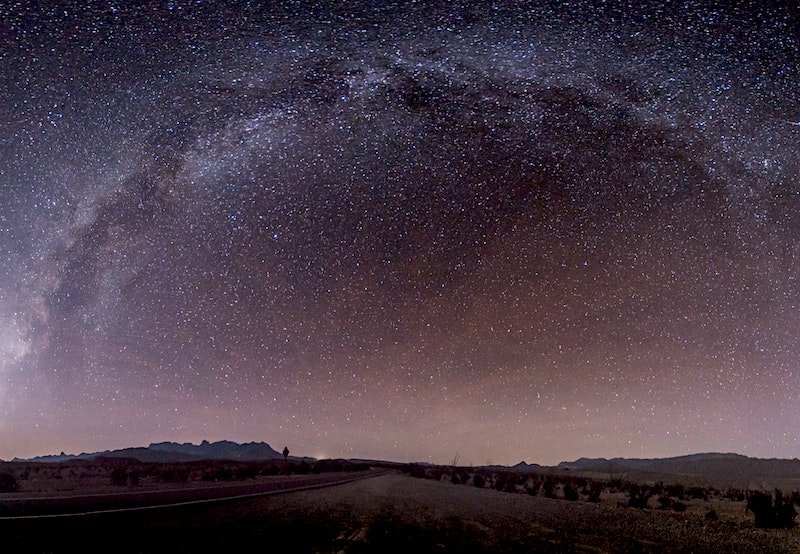
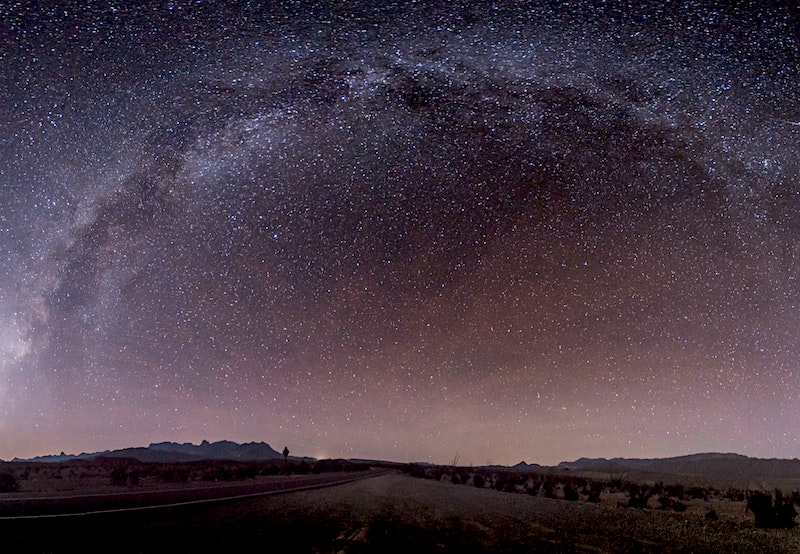
The stargazing in Big Bend Ranch State Park is simply unparalleled. The exceptionally dark skies are a stargazer's dream. I, Sarah, brought my Celestron telescope, and we spent hours identifying constellations. Orion and Ursa Major were old friends, but the clarity allowed us to spot fainter celestial objects. We even got a fantastic view of Jupiter and Saturn. No meteor showers during this particular visit.
Hiking Along the Rio Grande: Life on the Edge
One of our favorite hikes was along the Rio Grande. The riparian ecosystem is a fascinating contrast to the surrounding desert. As a botanist, I was captivated by the plants adapted to this unique environment. The majestic Rio Grande cottonwood provided welcome shade, while the invasive salt cedar, unfortunately, was also prevalent. Tom, the history buff, regaled me with stories of early settlers and the challenges they faced living in such a harsh landscape. The Rio Grande has played a crucial role in the regions past.
Historical Echoes: Exploring the Past
We visited the old movie set location from "The Three Burials of Melquiades Estrada." It's a surreal experience to stumble upon these remnants of filmmaking history in the middle of the desert. Tom provided context, explaining the ranching history of the region and the indigenous peoples who once called this land home. This helped set the scene when we were out and about in the park.
Packrafting on the Rio Grande: A Different Perspective
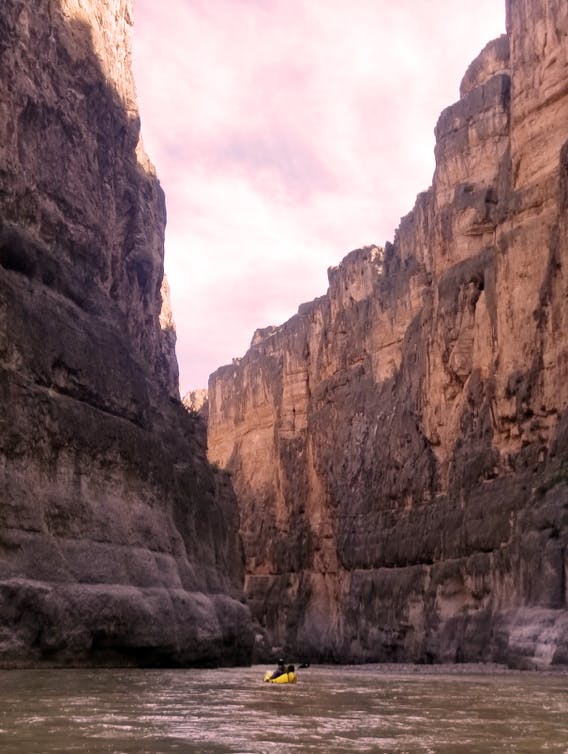
Packrafting on a calm section of the Rio Grande was a highlight of our trip. The scenery from the water is breathtaking. We paddled slowly, taking in the towering cliffs and the vibrant colors of the desert vegetation. We spotted several species of birds and even saw some fish jumping in the river. It's an easy and relaxing activity for all to enjoy.
Gear: The Essentials for Desert Camping
Our gear choices were crucial for a comfortable and safe trip. My Celestron telescope was, of course, indispensable for stargazing. Tom relied on his well-worn Leatherman multi-tool for countless tasks around the campsite. We both appreciated the Garmin inReach Mini 2 for communication and safety. With no cell service, it allowed us to send messages and share our location with family, providing peace of mind. And, of course, our high-clearance vehicle was essential for navigating the rough roads.
Food: Campfire Cooking Under the Stars
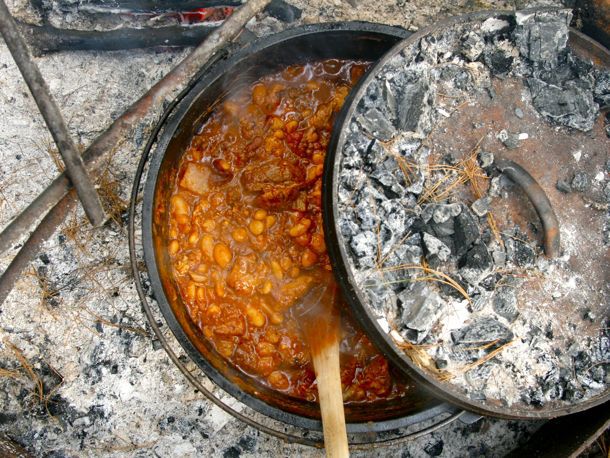
Campfire cooking is a must, and our rendition of chile verde in a Dutch oven was a triumph. Here's a simplified recipe:
Combine 2 lbs of pork shoulder (cut into 1-inch cubes), 1 diced onion, 4 cloves of minced garlic, 1 (28 oz) can of tomatillos (drained), 1 (4 oz) can of diced green chilies, 1 tsp cumin, ½ tsp oregano, and salt and pepper to taste in the Dutch oven. Cook over medium heat coals for approximately 2-3 hours, or until the pork is tender. Serve with tortillas and your favorite toppings.
Keeping food cold in the desert heat was a challenge. We used a high-quality cooler with plenty of ice packs and were careful to keep it in the shade. It's a big thing to keep in mind while camping in the desert.
Unique Challenges: Heat and Hydration
The extreme heat (temperatures soared over 100°F during the day) and limited water resources were the biggest challenges we faced. We learned to adapt by hiking during the early morning or late afternoon, wearing lightweight and breathable clothing, and using cooling towels. We also carried plenty of water, used water purification tablets, and minimized water use for hygiene.
Overall Impression: A Rewarding Escape
Big Bend Ranch State Park is a truly special place. It offers a unique combination of quiet contemplation, exploration, and connection with nature. The park's remoteness and ruggedness are both a benefit (offering solitude and unspoiled wilderness) and a challenge (requiring careful planning and preparation). We highly recommend it to experienced campers seeking a unique and rewarding experience.
Leave No Trace: Protecting the Desert
Our focus on Leave No Trace principles was paramount. We packed out every piece of trash, minimized campfire impacts, stayed on established trails to protect the fragile vegetation, and respected all wildlife. Leaving the park as we found it is our responsibility.