Big Bend Ranch State Park Camping: A Retired Cou...
For Clara and Robert, recently retired and ready for adventure, the vast expanse of Big Bend Ranch State Park called with the promise of dark skies and rare birds. As avid birdwatchers (Clara blogs at Desert Bloom Discoveries) and amateur astrophotographers (Robert posts on Flickr as Dark Skies Texan), they packed their Jeep Wrangler Rubicon and headed west from Austin, Texas, eager to explore this remote corner of the Lone Star State. Their quest: to finally spot the elusive Colima Warbler and capture the majestic Milky Way over the rugged desert landscape. Big Bend Ranch is the epitome of remote camping in Texas, and this blog post is about their latest findings!
Finding Fresno Canyon: Ease of Access & Campsite Setup
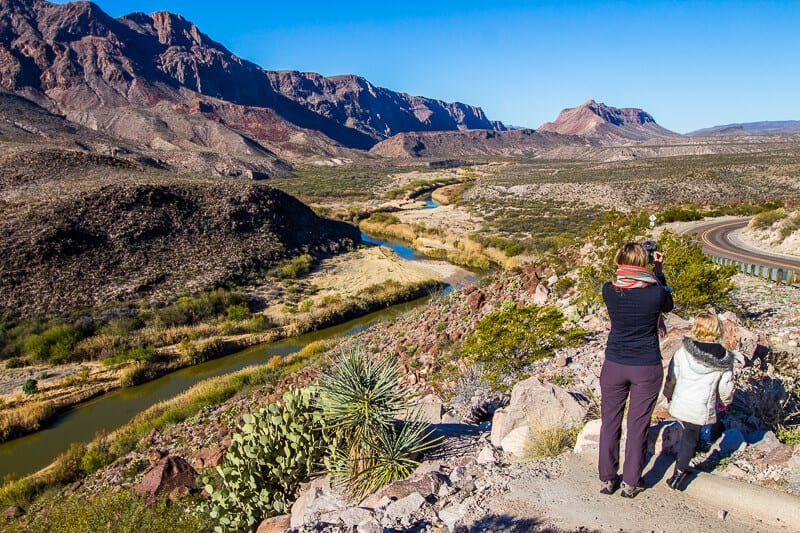
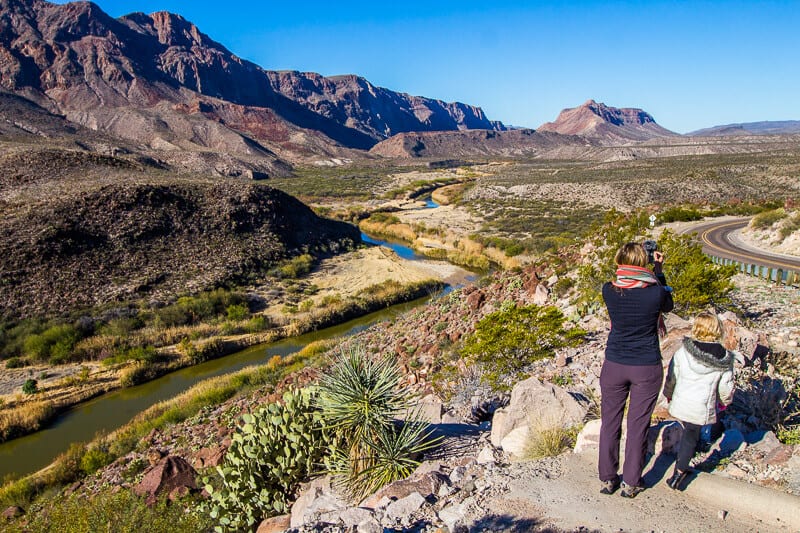
The GPS coordinates (29.6450° N, 104.4352° W) led Clara and Robert toward their designated campsite in the Fresno Canyon area. The drive was an adventure in itself, a slow and steady journey on unpaved roads that truly demanded the high clearance of their Jeep Wrangler Rubicon. Dust billowed behind them as they navigated the rocky terrain, the anticipation building with every mile.
Arriving at the campsite, they were immediately struck by its isolation. The panoramic views were breathtaking, framed by the jagged peaks of El Solitario, an iconic geological feature. The campsite was basic but functional: a weathered picnic table and a rustic fire ring constructed from local rocks. However, the absence of shade was immediately apparent. The sun beat down relentlessly, a constant reminder of the desert's harsh beauty.
Campground Rules: Respecting the Desert Ecosystem
A signpost detailed the campground rules, emphasizing Leave No Trace principles. Campfires were strictly restricted due to the high fire danger; a burn ban is typically in effect from April to October. The sign clearly stated the requirement to carry all water in and out – a minimum of 1 gallon per person per day is recommended.
Clara, always mindful of sustainable travel, took particular note of the need to respect the fragile desert ecosystem. The delicate cryptobiotic soil, a living crust of microorganisms, is vital for supporting much of the desert's plant life. Foot traffic can easily damage it, so staying on designated trails is essential. Pets were required to be leashed at all times (6-foot maximum leash length) due to the presence of coyotes and the very rare possibility of encountering a mountain lion.
Bathrooms & Showers: Desert Amenities (or Lack Thereof)
The vault toilets in the Fresno Canyon area were functional, but basic. Dust was everywhere, and ventilation was minimal. There was no running water and certainly no showers. Clara and Robert came prepared. They brought their own biodegradable toilet paper, hand sanitizer (70% alcohol-based), and a small trowel for burying human waste in emergencies. This is remote camping at its finest, and comes with the necessity of self reliance.
Activities: Birding for the Colima Warbler & Astrophotography Under Dark Skies
Birdwatching: The Elusive Colima Warbler
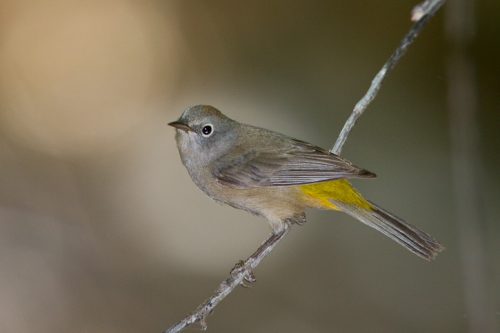
For five years, Clara has been attempting to spot the elusive Colima Warbler. The bird has become a white whale for Clara. Their quest continued in the Chisos Mountains, specifically targeting Boot Canyon. They hiked the Lost Mine Trail, starting before sunrise to avoid the worst of the heat. The trail was steep and rocky, a challenging climb even for experienced hikers. Clara carried her Leica Trinovid HD 8x42 binoculars and a Swarovski ATX/STX 95mm spotting scope. Clara's trusty Canon EOS R5 camera, paired with a Canon EF 100-400mm f/4.5-5.6L IS II USM lens, was ready to capture any sighting.
The Colima Warbler favors canyons with dense vegetation, specifically oak and maple trees. Its distinctive markings include a yellow throat and eye-ring. Birdwatching in the desert presents unique challenges: extreme heat, the need for patience, and the birds' natural camouflage. Despite their best efforts, the Colima Warbler remained hidden this trip, a mystery to be solved on a future expedition.
Astrophotography: Capturing the Milky Way
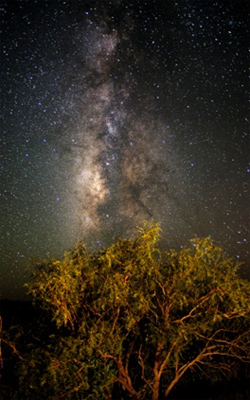
While Clara searched for birds, Robert focused on capturing the Milky Way. Their campsite offered incredibly low light pollution, boasting a Bortle scale rating of Class 2 – nearly pristine dark skies. He set up his Celestron Advanced VX 8" Schmidt-Cassegrain telescope, iOptron SkyGuider Pro tracking mount, and ZWO ASI294MC Pro cooled CCD camera. Robert was specifically targeting the constellation Sagittarius.
He used ISO 800, f/2.8, and 30-second exposures, planning to stack multiple exposures using DeepSkyStacker software. The PhotoPills app helped him pinpoint the optimal time and location of the Milky Way arc. Astrophotography in the desert isn't without its challenges. Dew forming on the telescope lens required a dew heater strip. Wind was managed with a wind baffle. And Robert always brought a backup battery and toolkit, prepared for any equipment failure. His mantra during these sessions: “Patience is the pixel.”
Food: Fueling the Adventure with Minimalist Meals
Clara and Robert prioritized meals that could be prepared with minimal equipment and water.
- Dehydrated backpacking meals: Robert favored Mountain House Beef Stroganoff, while Clara opted for Peak Refuel Chicken Coconut Curry (a gluten-free option). They rehydrated these meals using boiling water heated on a Jetboil stove.
- Trail mix: Their favorite was Trader Joe's "Omega Trek Mix," packed with walnuts, almonds, cranberries, and pumpkin seeds.
Challenges of Camping in Big Bend Ranch State Park
Extreme Temperatures
Extreme temperature swings are a constant challenge. Daytime highs can soar above 100°F (often reaching 110°F in July), while nighttime lows can dip below freezing (especially in December and January). Packing layers of clothing is crucial. Staying hydrated is paramount; drinking at least 4 liters of water per person per day is recommended. Strenuous activity should be avoided during the hottest part of the day, with a siesta between 1 PM and 4 PM being a good idea.
Water Scarcity
Water resources are extremely limited. All water must be carried in and out. While bringing a water filter or purification tablets as a backup (like a Sawyer Squeeze water filter) is recommended, water sources in the park are unreliable and shouldn't be relied upon.
Wildlife Encounters
Wildlife encounters are a possibility. Scorpions (bark scorpions are common) and snakes (western diamondback rattlesnakes are a concern) are present. Mountain lions are rare, but possible. Making noise when walking around, especially at night, is advisable. Wearing closed-toe shoes and long pants provides protection. Food should be stored properly in bear-resistant canisters. Carrying a flashlight is essential for nighttime navigation. A well-stocked first-aid kit is a must, along with knowledge of how to identify venomous snakes. A satellite communicator like a Garmin inReach is crucial for emergencies.
The "Best" Spot for Sunset Photography
For the best sunset views, Clara and Robert head to the scenic overlook on FM170 (River Road) just east of Presidio. This spot offers panoramic views of the Rio Grande and the Mexican mountains. They arrive at least an hour before sunset to secure a prime location and set up their tripods. Robert always takes several test shots to determine the dynamic range and uses graduated neutral density filters accordingly.
Trending Activity: Finding Mindfulness in the Desert
Clara found serenity and mindfulness by disconnecting from technology and reconnecting with nature. She practiced forest bathing (Shinrin-yoku) in the desert at night, focusing on the unique sensory experiences. The sound of coyotes howling in the distance, the feel of the cool night air, the smell of creosote after a rain shower, and the faint scent of blooming ocotillo created a unique atmosphere. She used the Calm app for a guided meditation specifically designed for stargazing, focusing on breathing exercises to calm her mind. The vastness of the desert encourages introspection, helping her cultivate a sense of presence and reduce stress.
Social Media: Sharing the Experience Responsibly
Clara thoughtfully posts on her blog, Desert Bloom Discoveries. She shares detailed accounts of their adventures, along with tips for sustainable travel (e.g., using reusable containers, minimizing waste). On Instagram (@DesertBloomDiscoveries), she shares photos but avoids excessive self-promotion, focusing instead on the beauty of the desert landscape and inspiring others to explore responsibly. Robert's Flickr account, Dark Skies Texan, showcases his astrophotography images, including technical details and equipment used, as well as information about the location and Bortle scale rating.
Ambient Sounds: The Symphony of the Desert Night
Clara and Robert were entranced by the symphony of sounds. The rustling of wind through the desert vegetation (the brittlebush and desert willow), the calls of owls (great horned owls and screech owls), and the distant rumble of thunder from a passing storm over the Sierra del Carmen mountains created a captivating soundscape. The wind whistling through the jagged rock formations added an eerie and haunting melody.
Viral Video Concept: Desert Dangers Under the Milky Way
HOOK: Rapid time-lapse footage of the Milky Way suddenly bursting into view above the Balanced Rock formation in Big Bend Ranch State Park, shot with a wide-angle lens and dramatic lighting.
SCENE: Cinematic slow-motion footage of Clara and Robert setting up their telescope (Celestron NexStar Evolution 8) and camera equipment (Sony a7S III with a Sigma 14mm f/1.8 lens) under the stars, lit by the soft glow of their headlamps (specifically Black Diamond Spot 350). Camera work includes sweeping orbit shots around the telescope, GoPro POV shots from Clara's perspective as she adjusts the lens, and dramatic close-ups of Robert's hands carefully connecting cables. Use golden hour lighting during the initial setup to add warmth and depth to the desert landscape.
TWIST: As Robert takes the first long-exposure photo, suddenly, a western diamondback rattlesnake slithers silently across the frame, briefly illuminated by the red light of Robert's headlamp, before disappearing back into the darkness. The snake’s rattles are clearly audible.
Final Thoughts: Is Big Bend Ranch State Park Right for You?
Big Bend Ranch State Park offers a unique and unforgettable experience for those seeking solitude, dark skies, and a connection with the raw beauty of the desert. While the challenges are significant – extreme temperatures, water scarcity, and potential wildlife encounters – the rewards are immeasurable. For Clara and Robert, the quest for the Colima Warbler continues, and the Milky Way will always beckon them back to this remote corner of Texas. If you're seeking a true adventure, far from the crowds, Big Bend Ranch State Park awaits. Remember to book your camping reservations well in advance!