Bhutan's Gross National Happiness: A Photographe...
Bhutan, nestled high in the Himalayas, is a land unlike any other. Forget chasing GDP; here, the focus is on Gross National Happiness (GNH). As a freelance photographer specializing in cultural preservation, I, Anya Sharma, a 32-year-old from Mumbai, India, had always been intrigued by Bhutan’s unique philosophy. My recent journey to Paro Valley and Thimphu wasn’t just a trip; it was a profound lesson in contentment, community, and the delicate balance between progress and preservation. This Bhutan cultural photography tour proved to be life-changing.
My adventure began in Paro, and what better introduction to Bhutanese culture than the vibrant Paro Tshechu festival?
Immersed in the Spectacle of Paro Tshechu
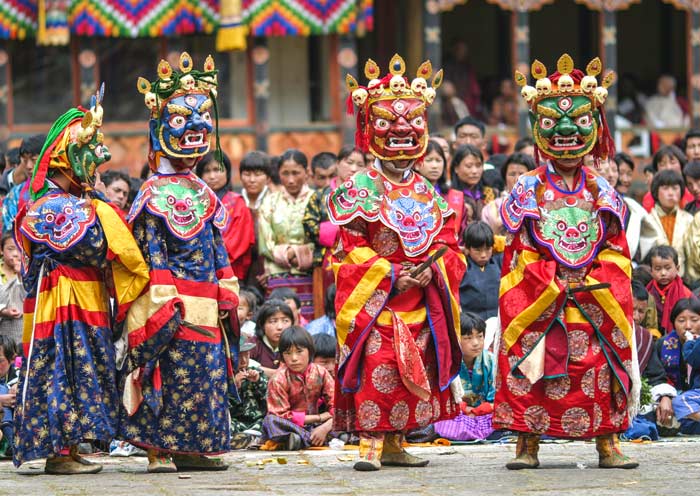
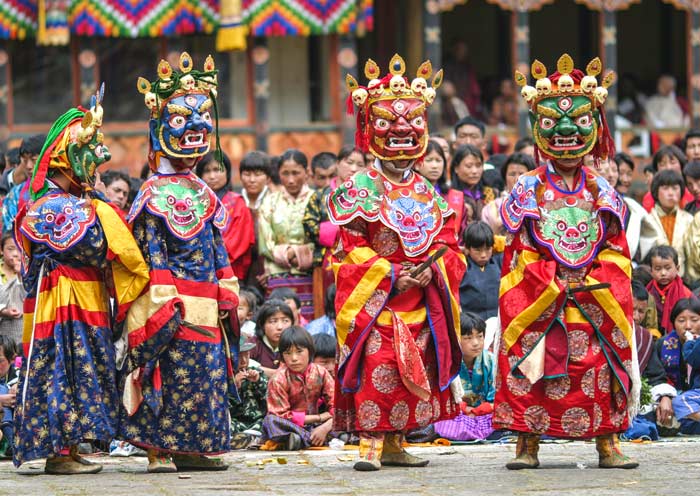
The Paro Tshechu is an annual religious festival held in the spring. It’s a sensory explosion – a kaleidoscope of colors, sounds, and spiritual energy. The highlight, without a doubt, was the Guru Tshengye masked dance. Imagine dancers adorned in elaborate, silk brocade costumes, their faces hidden behind intricate masks representing deities and demons. The rhythmic drumming, the chanting, and the powerful movements created an atmosphere that was both mesmerizing and deeply spiritual. Each gesture, each turn, told a story – stories of good versus evil, of the triumph of enlightenment over ignorance. Understanding the meaning of the Paro Tshechu festival truly enriched the experience.
Being able to document this spectacle through my lens was a privilege. I tried to capture the essence of the dance – the devotion in the eyes of the onlookers, the energy of the performers, and the vibrant artistry of the costumes. It was more than just taking pictures; it was about preserving a cultural tradition for generations to come.
The Heart of Bhutanese Cuisine: Cooking with Kindness
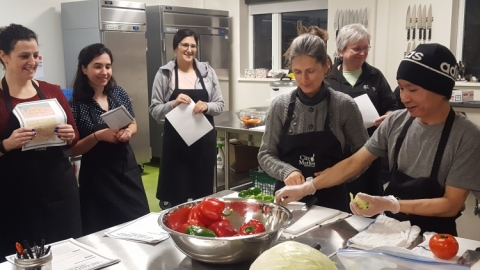
Beyond the visual spectacle, I wanted to experience Bhutanese culture more intimately. So, I signed up for a traditional Bhutanese cooking lesson. This was a chance to learn about the ingredients and techniques that define Bhutanese cuisine and taste authentic Bhutanese food.
We prepared two iconic dishes: Ema Datshi and Momos. Ema Datshi, considered the national dish, is a fiery concoction of chilies and cheese. The chilies, a staple in Bhutanese cooking, provided a bold, spicy kick that was balanced by the creamy, cheesy sauce. Preparing Ema Datshi from scratch and discovering the authentic Bhutanese flavor was a real delight.
Then came the Momos, savory dumplings filled with a mixture of meat and vegetables. The process of folding the Momos was meditative, each pleat carefully crafted. And the taste? Exquisite! The savory filling, combined with the tangy dipping sauce, was a perfect harmony of flavors. I even inquired about Bhutanese cuisine vegetarian options, discovering creative variations. This authentic Bhutanese cooking class Thimphu experience deepened my appreciation for Bhutanese culture.
Soaring to New Heights: The Hike to Tiger's Nest
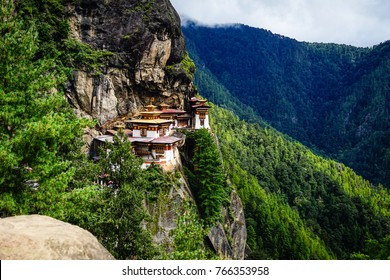
No trip to Bhutan is complete without a hike to the Tiger's Nest Monastery, also known as Taktsang. Perched precariously on a cliffside, this iconic monastery is a symbol of Bhutanese spirituality and architectural ingenuity. But is it ethical to visit Tiger's Nest Monastery? I considered this and made sure to visit responsibly.
The hike itself was challenging, but the breathtaking views of the Paro Valley made it all worthwhile. The lush green rice paddies reflected the sunlight, creating a shimmering tapestry of emerald and gold. The crystal-clear rivers flowed rapidly down the mountain, their sound a constant reminder of the raw power of nature. And in the distance, the snow-capped Himalayan peaks, including the majestic Jomolhari, pierced the sky. Discovering the best photography spots at Tiger's Nest Monastery became a personal mission.
Reaching the monastery was an incredible feeling of accomplishment. The serenity and the spiritual energy of the place were palpable. I spent time exploring the different temples and prayer halls, marveling at the intricate artwork and the dedication of the monks. The low-angle view of Tiger's Nest and the wide shot of the landscape provided some incredible photos.
Thimphu's Treasures: A Weekend Market and a Glimpse into the Past
My journey continued to Thimphu, the capital city of Bhutan. Here, I explored the vibrant weekend market, a bustling hub of local life. Stalls overflowed with fresh produce, textiles, and handicrafts. It was a photographer's paradise! I wanted to take photos at the Thimphu weekend market to preserve these experiences.
My attention was immediately drawn to the Thangkas, intricate Buddhist paintings on cloth. The detail was astonishing, each brushstroke imbued with meaning and symbolism. I also admired the Kira, the traditional Bhutanese dress for women. The colorful patterns and the traditional weaving techniques were a testament to the skill and artistry of the Bhutanese weavers. Learning about the local handicrafts guide at the Thimphu weekend market was fascinating.
A visit to the Folk Heritage Museum in Thimphu provided further insights into traditional Bhutanese life. The museum showcases a beautifully preserved traditional house, complete with period furnishings and artifacts. It was like stepping back in time, gaining a deeper understanding of the customs and traditions that have shaped Bhutanese society. This Folk Heritage Museum Thimphu experience provided me with so much learning.
Gross National Happiness in Action: More Than Just a Concept
Throughout my trip, I witnessed firsthand how the GNH philosophy is reflected in the daily lives of the Bhutanese people. Their contentment was evident in their smiles, their respect for nature was apparent in their sustainable practices, and their strong sense of community was visible in their interactions. Finding inner peace through Bhutan's Gross National Happiness was becoming a reality for me.
I observed their dedication to preserving their culture, their commitment to environmental conservation, and their genuine concern for the well-being of others. This wasn't just a theoretical concept; it was a lived reality.
Why is Bhutan considered a carbon-negative country? Because Bhutan’s constitution mandates that at least 60% of its land remain forested, and its current forest cover is well over 70%. The country absorbs more carbon dioxide than it emits, making it a vital player in mitigating climate change. The preservation of heritage is paramount to the Bhutanese people.
A Shift in Perspective: Redefining Happiness and Success
My trip to Bhutan has profoundly changed my perspective on happiness and success. I realized that true happiness doesn't come from material possessions or external achievements but from inner peace, strong relationships, and a deep connection to nature. Bhutan showed me how GNH impacts local communities.
As a photographer specializing in cultural preservation, I feel a renewed commitment to using my work to promote sustainable tourism. We need to travel responsibly, minimizing our environmental impact and supporting local communities. By supporting local businesses and respecting the environment when we visit Bhutan, we can help preserve its unique culture and natural beauty for generations to come. What sustainable tourism practices should I follow in Bhutan? Education and awareness are key.
TikTok Video Concept: Bhutan - Finding Happiness
- HOOK (0-1 second): Close-up of an elderly Bhutanese woman’s genuine, beaming smile radiating warmth, shot in cinematic 4K using a slow-motion camera. The woman is wearing traditional Bhutanese attire.
- SCENE (1-5 seconds): A rapid-cut, hyperlapse montage of Bhutanese experiences, shot using a GoPro POV from Anya's perspective. Focus on visual clarity: rapidly show prayer wheels spinning, monks chanting in vibrant robes, Ema Datshi being prepared, colorful prayer flags waving in the wind, the sweeping landscape of the Paro Valley including the Tiger's Nest clinging to the cliffside, and the Thimphu weekend market bustling with locals, shot with dramatic lighting to accentuate colors, specifically saturated reds and golds.
- TWIST (5-8 seconds): Text overlay appears in bold white letters: "But Happiness Isn't What You Think...", followed by the unveiling of Bhutan's Gross National Happiness (GNH) philosophy. A contrasting still shot of bustling Mumbai appears briefly, then returns to the serene Bhutanese landscape as Anya, in voiceover, explains how GNH prioritizes collective well-being over material wealth.
Embark on Your Own Journey
Bhutan offers more than just stunning landscapes; it provides a chance to redefine your perspective on happiness. When planning your visit, consider sustainable travel agency Bhutan Paro Valley options to make an environmentally conscious decision. Remember that responsible travel habits minimize environmental impact and support local communities.
My experience on the Bhutan cultural photography tour gave me so much knowledge. I urge you to visit Bhutan with an open mind and a respectful heart. Embrace the GNH philosophy, immerse yourself in the culture, and discover the true meaning of happiness.
Anya Sharma Bhutan Photography is now dedicated to showcasing the beauty and cultural richness of Bhutan, through a lens of sustainability and respect.
Visit Vistalocation.com to book your Bhutan cultural immersion today!