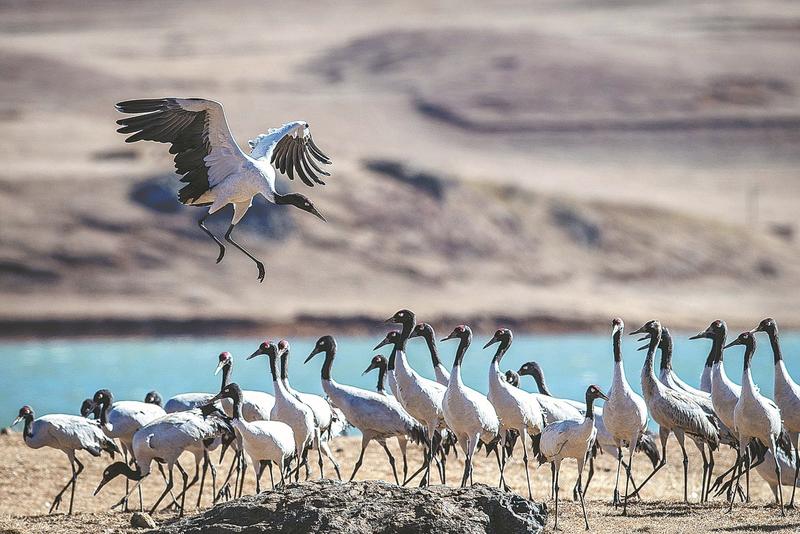
Bhutan Wildlife Photography Tour: Chasing the Bl...
Bhutan, the Land of the Thunder Dragon, had always been a dream destination for me, Anika Sharma, a wildlife photographer with a passion for capturing the raw beauty of nature. Finally, in October 2024, that dream came true. My mission? To photograph the majestic black-necked crane migration in the valleys of Paro and Thimphu. This Bhutan photography travel guide details my incredible 10-day journey, filled with both challenges and unforgettable moments, as I pursued the perfect shot of these magnificent birds.
Tracking the Cranes: A Hike in the Phobjikha Valley
The Phobjikha Valley, a vast U-shaped glacial valley, is one of the most important wintering grounds for the black-necked cranes. The terrain was a mix of marshland and gentle slopes, a photographer's playground if you could navigate the mud. Equipped with my trusty Canon EOS R5 and a 100-500mm lens, I embarked on a guided hike, determined to capture the cranes in their natural habitat.
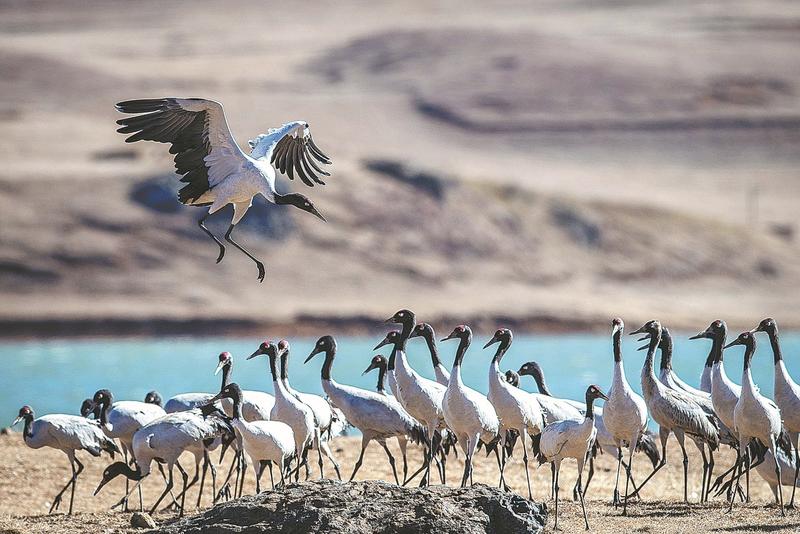
The challenge was immense. The cranes are naturally wary, and maintaining a respectful distance while getting a clear shot required patience and a keen eye. I spent hours observing their behavior, learning their routines, and anticipating their movements. The low-lying fog made for some ethereal backdrops, but also limited visibility. Finally, after days of perseverance, I managed to capture a stunning image of a pair of cranes taking flight against the backdrop of the valley. The golden hour light bathed their wings in a warm glow, a moment I will forever cherish. For Phobjikha Valley photography tips, remember to pack waterproof gear and arrive early!
Archery and Authentic Connections: Immersing Myself in Bhutanese Culture
Beyond wildlife, I was eager to experience the unique culture of Bhutan. I arranged an archery lesson with a local family in a small village near Thimphu. Archery is the national sport of Bhutan, deeply embedded in their traditions.
The villagers welcomed me with open arms, patiently guiding me through the basics of the sport. I quickly learned that archery in Bhutan is as much about tradition and celebration as it is about hitting the target. The archers sing, dance, and taunt their opponents, creating a lively and joyous atmosphere.
I was terrible at hitting the target, but the laughter and camaraderie were priceless. This experience offered invaluable Bhutan cultural photography experiences, capturing genuine moments of connection and cultural exchange. These encounters highlight sustainable tourism Bhutan photography, supporting local communities and preserving their traditions.
A Spiritual Journey: Tango Buddhist Institute
Perched high on a mountainside, the Tango Buddhist Institute is a center of learning and spiritual retreat. The climb to the monastery was steep, but the panoramic views of the surrounding valley were breathtaking. The air was filled with the chanting of monks, creating an atmosphere of profound peace and tranquility.
Photographing the monastery presented unique challenges. The midday sun cast harsh shadows, making it difficult to capture the intricate details of the architecture. I experimented with different angles and compositions, using the natural light to my advantage.
I focused on capturing the essence of the monastery: the vibrant colors of the prayer flags, the serene faces of the monks, and the intricate details of the murals. Respect for the sanctity of the space was paramount, so I made sure to be discreet and unobtrusive. Remember to have tips for photographing monasteries in Bhutan respectfully such as asking for permission before taking photos of monks.
A Taste of Bhutan: Culinary Delights
Bhutanese cuisine is as unique and flavorful as its landscapes.
Ema Datshi: A Fiery Delight
During my visit to the local family, I had the opportunity to try Ema Datshi, the national dish of Bhutan. The mother of the family showed me how to prepare it, a simple yet flavorful stew made with chilies and cheese. She used a variety of local chilies, some mild and some fiery hot, simmered in a creamy cheese sauce. The dish was served with red rice, and the combination was simply divine. The Ema Datshi, with its pungent aroma and intense flavor, was a true culinary adventure.
Momos from a Street Vendor: A Thimphu Treat
In the bustling streets of Thimphu, I stumbled upon a street vendor selling momos, small dumplings filled with meat and vegetables. The vendor, a cheerful woman with a warm smile, expertly steamed the momos in a bamboo basket. I ordered a plate of pork momos, served with a spicy chili sauce. They were juicy, flavorful, and incredibly satisfying – a perfect example of Bhutanese street food at its finest.
Red Rice: A Staple of the Land
At the farm stay, I was introduced to red rice, a staple of the Bhutanese diet. The rice has a nutty flavor and a slightly chewy texture, distinct from other rice varieties. I learned that the red rice is grown in the fertile valleys of Bhutan, nourished by the pristine waters of the Himalayas. It is an integral part of the local farming community, representing their connection to the land and their sustainable way of life.
Framing the Icon: Tiger's Nest Monastery at Sunset
No trip to Bhutan is complete without a visit to the iconic Tiger's Nest Monastery, or Paro Taktsang. The hike to the monastery is challenging, but the reward is well worth the effort. Perched precariously on a cliffside, the monastery is a breathtaking sight.
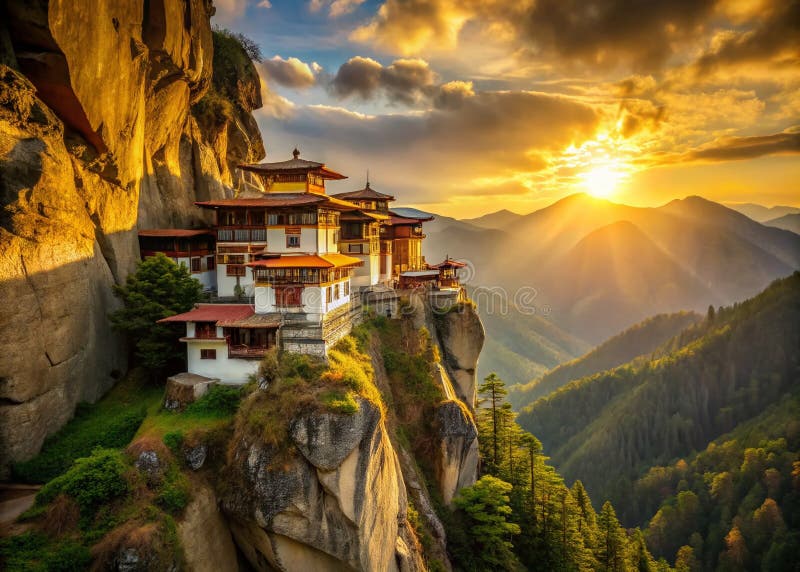
I chose to photograph the monastery at sunset, hoping to capture the golden light illuminating the structure. The challenge was immense. The light was constantly changing, and the wind threatened to knock my camera off its tripod. I experimented with different exposures and compositions, trying to capture the perfect balance of light and shadow. After hours of waiting, the moment finally arrived. The sun dipped below the horizon, casting a warm glow on the monastery, highlighting its intricate details and its dramatic setting. It was a truly magical moment, a testament to the beauty and resilience of Bhutanese culture. For photographing Tiger's Nest Monastery sunset, arrive early to secure a good vantage point!
A Riot of Color: Rhododendron Forests in Bloom
While the cranes were the main focus of my trip, I was also captivated by the vibrant landscapes of Bhutan. The rhododendron forests were in full bloom, transforming the mountainsides into a riot of color.
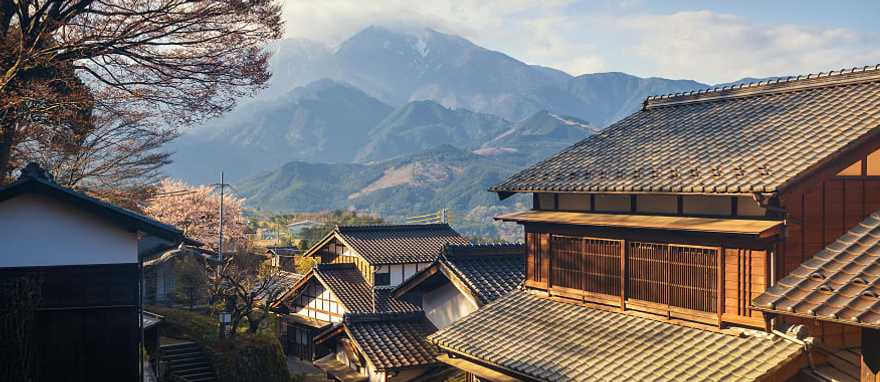
I spent days hiking through these forests, photographing the different varieties of rhododendrons. The vibrant hues of red, pink, and purple created a stunning contrast against the lush green foliage. The air was filled with the sweet fragrance of the flowers, making it a truly sensory experience.
Reflections on the Migration
Witnessing the black-necked crane photography Bhutan migration was a truly humbling experience. These magnificent birds travel thousands of miles each year to reach the safe haven of Bhutan, a testament to the country's commitment to conservation and environmental protection.
During my trip, I had the opportunity to speak with local guides and conservationists, learning about their efforts to protect the cranes and their habitat. Their dedication and passion were truly inspiring, and it reinforced my belief in the importance of responsible tourism and sustainable practices.
Conclusion: A Photographer's Paradise
Bhutan is more than just a destination; it's an experience that will stay with you long after you leave. From the majestic black-necked cranes to the vibrant rhododendron forests, from the ancient monasteries to the warm hospitality of the Bhutanese people, this is a land that will captivate your senses and inspire your soul. If you're planning a Bhutan wildlife photography tour, I highly recommend visiting during the black-necked crane migration. Remember to respect the environment, embrace the culture, and capture the beauty of this remarkable country. Ready to embark on your own photographic journey? Contact Vistalocation.com today to book your Bhutan photography adventure!