Bhutan Travel Guide: A Transformative Journey Th...
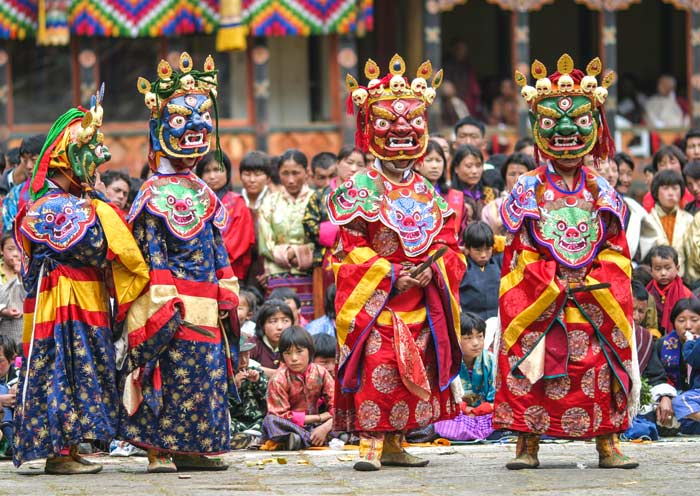
The air crackled with an energy I'd never experienced. My first glimpse of the Paro Valley in Bhutan was a sensory explosion, a vibrant tapestry woven with the rhythmic chanting of monks, the sharp scent of incense, and the dazzling colors of the Paro Tshechu festival. It wasn't just a trip; it was an awakening, a journey into a land where ancient traditions thrive, and serenity permeates every breath. This Bhutan travel guide is my attempt to capture the magic of a place that irrevocably changed me. As a first-time visitor, I was utterly captivated, and I hope my experience inspires you to embark on your own transformative adventure.
Paro Tshechu: A Festival of Colors and Spirituality
The Paro Tshechu is more than just a festival; it's a living embodiment of Bhutanese culture and faith. The cham dances, performed by monks in elaborate costumes, were mesmerizing. Each movement, each gesture, carried profound meaning, telling stories of good versus evil and the triumph of Buddhism.
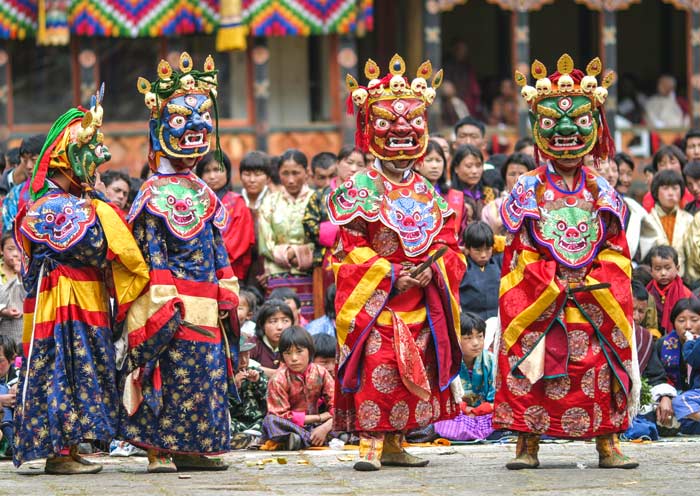
The Dance of the Black Hats, in particular, resonated deeply. Representing the subjugation of evil spirits, the dancers, adorned in black hats and wielding ritual daggers, moved with a powerful, almost trance-like intensity. I learned that each dance is a carefully choreographed prayer, a means of purifying the land and bestowing blessings upon the spectators. What should I wear to the Paro Tshechu? Modest clothing that covers your shoulders and knees is respectful, and comfortable shoes are a must as you'll be standing for extended periods.
Tiger's Nest Monastery Hike: A Pilgrimage to Serenity
No trip to the Paro Valley is complete without the Tiger's Nest Monastery Hike (Taktsang). Perched precariously on a cliffside, the monastery is a symbol of Bhutan's spiritual strength. The hike was challenging, a steep ascent that tested my physical limits. The trail wound through pine forests, the air thick with the scent of earth and pine. Prayer flags, strung across the path, snapped in the wind, carrying prayers to the heavens.

With each step, the views of the Paro Valley became more breathtaking. How difficult is the hike to Tiger's Nest? It's moderately challenging, taking around 5-6 hours round trip. Reaching the monastery was an emotional experience. The sheer audacity of its construction, the sense of history within its ancient walls, and the profound serenity that permeated the air left me speechless. I felt a sense of peace I had never known before. Tiger's Nest Monastery hike elevation gain is approximately 900 meters (2,950 feet).
White Water Rafting on the Mo Chhu River: An Adrenaline Rush
For a different kind of adventure, I decided to try white water rafting on the Mo Chhu River. The thrill of navigating the rapids, surrounded by the stunning mountainous landscape, was exhilarating. The cold water splashed against my face as we paddled furiously, the roar of the river filling my ears. It was a fantastic way to experience the natural beauty of the Paro Valley from a unique perspective.
Bhutanese Cuisine: A Fiery Feast for the Senses
Bhutanese cuisine is an integral part of the cultural experience. I had a memorable meal at Sonam Trophel Restaurant in Paro, where I sampled some traditional dishes.
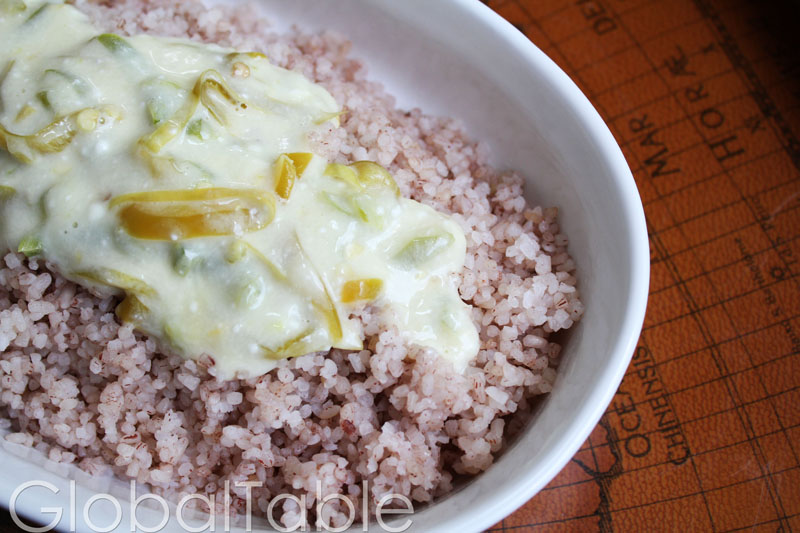
Ema datshi, the national dish, is a fiery chili cheese stew that packs a serious punch. The chilies are not just a spice; they are considered a vegetable and a staple of the Bhutanese diet. Momos, steamed dumplings filled with meat or vegetables, were another highlight. Served with a spicy chili sauce, they were the perfect comfort food after a long day of exploring. And of course, I couldn't forget the Bhutanese red rice, a nutty and nutritious grain that accompanies most meals. The unique, pungent flavors of Bhutanese cuisine are a testament to the country's resourcefulness and its deep connection to the land. What are the cultural norms in Bhutan? Be sure to try ema datshi, the Bhutanese Cuisine Ema Datshi, but be prepared for the spice!
The Heart of Bhutan: Landscape, Architecture, and Prayer Flags
Throughout my journey, I was constantly struck by the stunning mountainous landscape that defines Bhutan. The towering peaks, the lush valleys, and the pristine rivers create a sense of awe and wonder. The traditional Bhutanese architecture, with its intricate wood carvings and vibrant colors, adds to the country's unique charm. And everywhere I went, prayer flags fluttered in the wind, symbols of peace, compassion, and good fortune. It's a place devoted to Gross National Happiness.
TikTok Video: Breaking Tradition with a Prayer Wheel Artisan
Watch the TikTok video here to see the construction of a traditional prayer wheel within a monastery setting, and witness a young woman defying tradition in a sacred craft.
Plan Your Trip to the Paro Valley
My trip to the Paro Valley was more than just a vacation; it was a transformative experience that touched my soul. The Bhutan travel guide serves to answer questions. What is the best time to visit Bhutan? The spring (March-May) and autumn (September-November) offer pleasant weather and clear skies. How much does a trip to Bhutan cost? Be aware that tourism in Bhutan is managed, and there is a daily tariff that covers accommodation, food, transportation, and a guide. Is Bhutan safe for tourists? Yes, Bhutan is considered one of the safest countries in the world.
The stunning landscape, the unique culture, and the overwhelming sense of peace make it a destination unlike any other. If you're seeking an adventure that will challenge you, inspire you, and leave you with a profound sense of wonder, then I urge you to visit the Paro Valley in Bhutan. Contact Vistalocation.com to start planning your unforgettable journey today and experience the magic for yourself.