Bhutan Through a Lens: A Photographer's 10-Day J...
Bhutan, the Land of the Thunder Dragon, has always held a mystical allure for me. Its pristine landscapes, vibrant culture steeped in Buddhist traditions, and the philosophy of Gross National Happiness made it an irresistible destination. As a photographer, I yearned to capture the essence of this unique kingdom, and the opportunity to document the Paro Tshechu festival was the perfect catalyst for my 10-day adventure, fulfilling my dream to embark on a Bhutan photography tour. This journey was more than just taking pictures; it was about immersing myself in a world where ancient traditions meet breathtaking beauty, offering a truly unique perspective on life and photography. This Bhutan travel guide for photographers will hopefully prepare you for your own journey!
Paro Tshechu: A Kaleidoscope of Culture (Days 1-3)
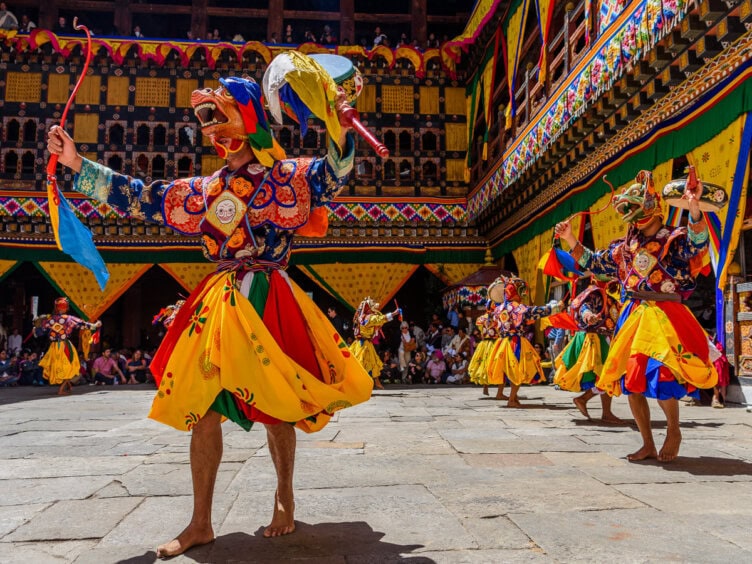
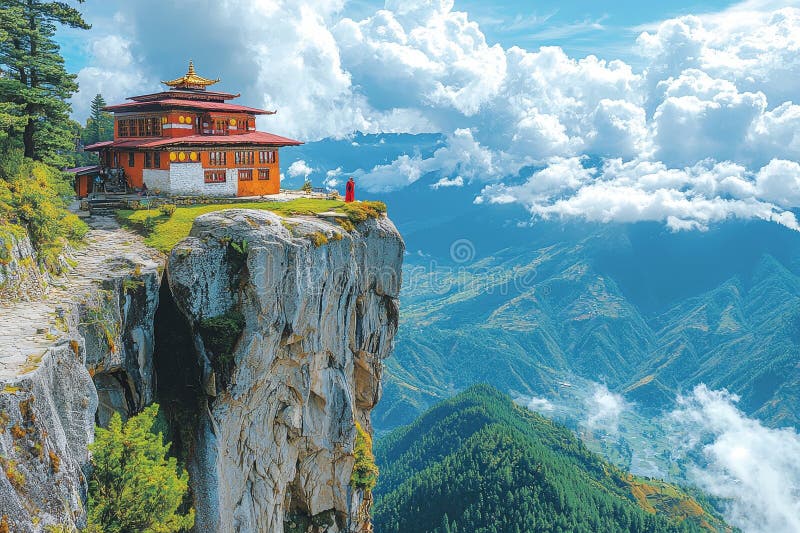
My journey began in Paro, where the annual Tshechu, a religious festival, was in full swing. The atmosphere was electric, with locals dressed in their finest ghos and kiras (traditional Bhutanese attire) filling the courtyard of the Paro Dzong. The air vibrated with the sounds of chanting, drums, and cymbals, creating an immersive sensory experience that was both captivating and overwhelming. It was unlike anything I had ever witnessed, offering incredible opportunities for Paro Tshechu photography.
The Dances: A Visual Feast
The heart of the Tshechu lies in its masked dances, each with its own unique story and spiritual significance. The Black Hat Dance, known as Sha Nga, was particularly mesmerizing. Its rhythmic movements and the dancers' elaborate costumes were captivating. This dance is believed to subdue evil spirits and cleanse the land, and it's a privilege to witness. The Dance of the Terrifying Deities, with its fierce masks and energetic movements, was another highlight. These dances are not just performances; they're powerful rituals that connect the Bhutanese people to their spiritual heritage.
The grand finale was the Thongdrel unfurling ceremony, where a massive embroidered tapestry depicting Guru Rinpoche is displayed. The sight of this enormous Thongdrel, believed to liberate all who gaze upon it, was truly awe-inspiring.
Photography Tips for Paro Tshechu
Photographing the Tshechu presented its own set of challenges and rewards. Here are a few tips I picked up along the way:
- Gear: A fast zoom lens, like a 70-200mm f/2.8, is invaluable for capturing close-ups of the dancers and their intricate costumes. A wide-angle lens (16-35mm) is essential for capturing the overall atmosphere of the festival and the grandeur of the Dzong. What lens is best for Paro Tshechu photography? I recommend bringing both!
- Technique: Shooting in Manual mode is crucial for controlling exposure in the bright daylight. The dynamic range can be challenging, so be prepared to adjust your settings frequently.
- Challenge: The festival is crowded! Arrive early to secure a good vantage point. Don't be afraid to politely navigate through the crowds, but always be mindful of others.
Ethical Considerations for Photographing Monks and Festival Attendees
When practicing ethical photography practices at Tiger's Nest Monastery or any religious site, it's crucial to be respectful of local customs. Photographing monks and festival attendees requires sensitivity. Always ask for permission before taking close-up photos, and avoid disruptive behavior that could detract from the sacred atmosphere. A simple "Kuzu zangpo la" (hello) and a gesture of respect can go a long way. Remember, you're a guest in their land, and respecting their traditions is paramount. When photographing monks respectfully in Bhutan guidelines say to avoid directing them, or posing them in any way.
Tiger's Nest Monastery: A Pilgrimage in Pictures (Day 4)
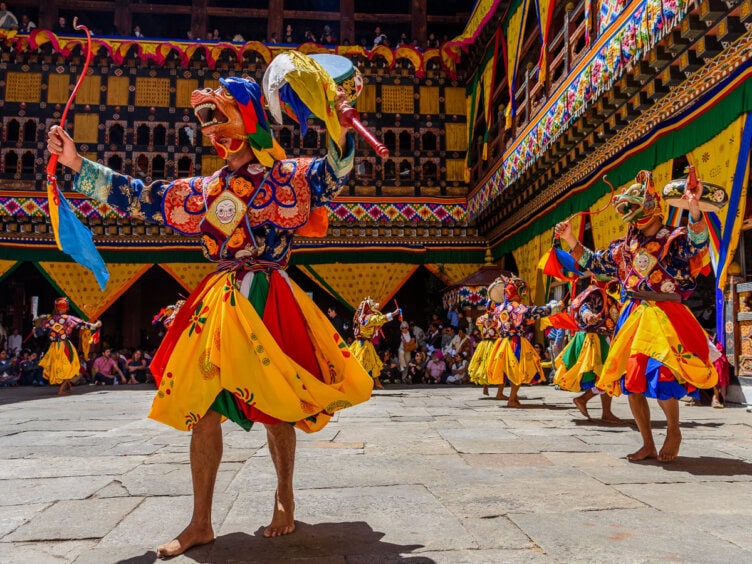
No trip to Bhutan is complete without a visit to the Tiger's Nest Monastery (Taktsang), perched precariously on a cliffside. The hike to the monastery is a challenging but rewarding experience, offering stunning views of the surrounding valleys. The altitude of Tiger's Nest Monastery sits at 10,240 feet!
Photography Tips for Tiger's Nest
- Gear: A lightweight tripod is helpful for capturing sharp landscape shots.
- Technique: Use aperture priority mode to ensure sufficient depth of field for your landscape photography.
- Challenge: Shooting inside the monastery can be tricky due to low light. Increase your ISO settings and use image stabilization to compensate.
Punakha Dzong: Architectural Majesty (Days 5-6)
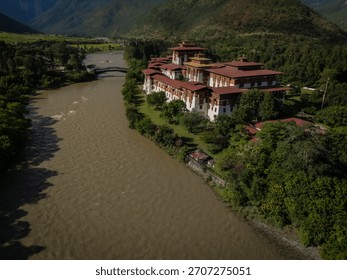
Punakha Dzong, strategically located at the confluence of the Mo Chhu and Pho Chhu rivers, is a masterpiece of Bhutanese architecture. The surrounding lush valleys and the views of the Himalayas in the distance add to its grandeur. Finding the best time to photograph Punakha Dzong for golden hour is key to ensuring the perfect shot!
Photography Tips for Punakha Dzong
- Gear: A polarizing filter is essential for reducing glare and enhancing colors, especially when photographing water and skies.
- Technique: Apply composition techniques like the rule of thirds to create visually appealing images.
- Challenge: Photographing the Dzong in bright sunlight can be challenging. Shooting during the golden hours (early morning or late afternoon) provides softer, more flattering light.
Food and Accommodation: Experiencing Bhutanese Hospitality
Throughout my trip, I had the opportunity to experience the warmth of Bhutanese hospitality. I spent a few nights in a traditional Bhutanese farmhouse (homestay), which provided a fascinating glimpse into local life. I also experienced the other end of the spectrum and stayed at a luxury accomodation that had incredible views of the himalayas.
Trying the local cuisine was another highlight. Ema Datshi, the national dish made with chilies and cheese, was a fiery and flavorful experience. I also enjoyed Momos (dumplings) and Red Rice, a staple in Bhutanese cuisine. I even tried Ara, the locally distilled spirit. Its potent taste was certainly an experience to remember! Experiencing an authentic Bhutanese homestay photography experience offers a way to immerse yourself in the culture and capture unique moments.
Visa and Tour Arrangements for Your Bhutan Photography Tour
Arranging a trip to Bhutan requires a bit of planning. You'll need to obtain a Bhutanese visa and arrange your tour through a licensed tour operator. Several tour operators specialize in Bhutan photography tours, offering itineraries tailored to photographers' needs. A Bhutan photography tour operator review will help you find the best fit. Some reputable options include Druk Heritage Tours and Bhutan Photographic Society.
Responsible Tourism: Respecting the Land and its People
When visiting Bhutan, it's crucial to practice responsible tourism. Respect local customs, such as dressing modestly when visiting religious sites. Minimize your environmental impact by avoiding single-use plastics and supporting eco-friendly tourism initiatives. Following best ethical travel practices in Bhutan will ensure your trip benefits the local community and preserves its natural beauty.
Conclusion: A Journey to Remember
My 10-day journey through Bhutan was an unforgettable experience. From the vibrant Paro Tshechu festival to the serene Tiger's Nest Monastery and the majestic Punakha Dzong, every moment was filled with beauty and wonder. Bhutan's unique culture and stunning landscapes offer endless opportunities for photographers, and I encourage you to visit and capture its essence through your own lens.
Call to Action
Have you been to Bhutan? Share your own travel experiences and photography tips in the comments section below! What are your favorite locations, or what is your camera settings advice?