Bhutan Sustainable Tourism: A Wildlife Photograp...
Bhutan, nestled in the Himalayas, is a land unlike any other. As a 58-year-old wildlife photographer and conservationist from Montana, I've traveled the world, witnessing both the beauty and the degradation of our planet. My recent journey to Bhutan's Paro Valley offered a rare glimpse of a nation striving to balance ecological preservation with the pressures of tourism and modern development. What struck me most was their unwavering commitment to Bhutan sustainable tourism practices, a refreshing contrast to many other destinations. The majestic mountainous landscape, adorned with vibrant prayer flags, set the stage for an unforgettable experience focused on Bhutan community-based conservation.
Arrival in Paro Valley: A Photographer's Dream
The descent into Paro International Airport is an experience in itself. The plane weaves through the towering peaks, offering breathtaking views of the valley below. As I stepped off the plane, the crisp mountain air filled my lungs. The landscape was a tapestry of emerald-green terraced rice paddies clinging to the steep hillsides. Prayer flags, in their characteristic five colors, fluttered in the wind, carrying blessings and mantras across the valley. The air was clean, the scenery stunning – a photographer's dream come true.
Attending the Paro Tshechu Festival: Immersed in Culture
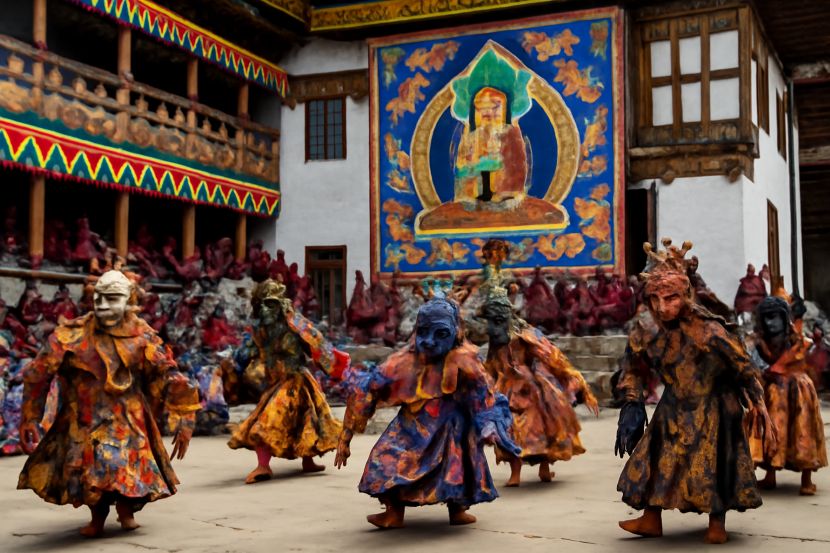
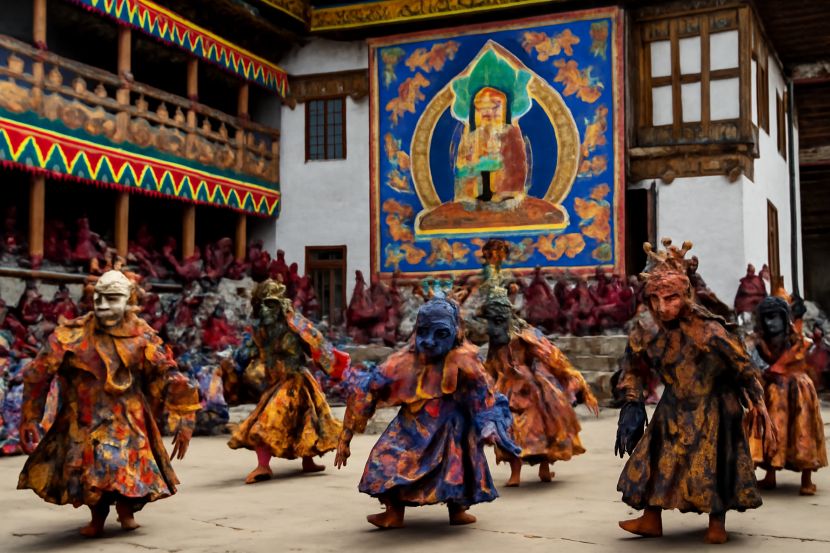
My visit coincided with the Paro Tshechu, a vibrant and colorful religious festival. The Tshechu is a significant event in Bhutanese Buddhism, a celebration of Guru Rinpoche, who brought Buddhism to Bhutan in the 8th century. The courtyard of the Paro Dzong (fortress-monastery) transformed into a stage for elaborate Cham dances, each with its own unique story and significance.
The Sacred Cham Dances
One of the most captivating dances was the 'Guru Tshengye' (Eight Manifestations of Guru Rinpoche). Dancers, adorned in elaborate costumes and masks representing different aspects of Guru Rinpoche, moved with grace and precision. The rhythmic music of drums, cymbals, and trumpets filled the air, creating an atmosphere of profound reverence. Each movement and gesture held deep symbolic meaning, narrating stories of triumph over evil and the path to enlightenment. Capturing these moments through my lens was a privilege, documenting the living tradition of Bhutanese culture photographer perspective.
The Unveiling of the Thongdrel: A Moment of Awe
The highlight of the Tshechu was undoubtedly the unveiling of the Thongdrel, a giant Thangka (religious scroll painting). This massive tapestry, depicting Guru Rinpoche and other deities, is displayed only once a year. The sheer size of the Thongdrel was awe-inspiring, its intricate artistry a testament to the skill and devotion of the Bhutanese artisans. As the Thongdrel was slowly unfurled, a palpable sense of reverence washed over the crowd. It was believed that simply seeing the Thongdrel would cleanse one of sins. This is your chance for Paro Tshechu festival photography tips: Arrive early and find a good vantage point, use a zoom lens to capture details, and be respectful of the religious significance.
Hiking to Tiger's Nest Monastery (Taktsang): A Spiritual Journey
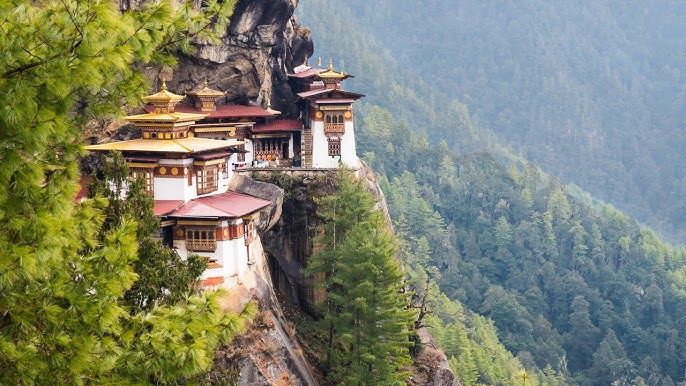
No trip to Paro Valley is complete without a hike to Tiger's Nest Monastery (Taktsang). Perched precariously on a cliffside at an altitude of 10,240 feet, the monastery is one of Bhutan's most iconic landmarks. The hike is challenging, particularly due to the altitude, but the rewards are immeasurable.
The Ascent: Breathtaking Views and Physical Challenges
The trail winds its way through pine forests, adorned with prayer flags. As I ascended, I was rewarded with stunning panoramic views of the valley below. The air grew thinner, and the climb became more strenuous, but the anticipation of reaching the monastery kept me going. Along the way, I encountered fellow travelers from all corners of the globe, united by a shared sense of purpose. There are sustainable impacts that need to be addressed at the Tiger's Nest Monastery sustainable tourism impact.
Reaching Taktsang: A Sense of Accomplishment
Reaching Tiger's Nest Monastery was a profound experience. The monastery's history is steeped in legend, said to be the place where Guru Rinpoche meditated in the 8th century after flying there on the back of a tigress. Its profound cultural importance to Bhutanese Buddhism is undeniable. Standing there, surrounded by the breathtaking scenery and the spiritual energy of the monastery, I felt a deep sense of peace and accomplishment.
Bhutanese Cuisine: A Culinary Adventure
Exploring Bhutanese cuisine was another highlight of my trip. I had the opportunity to dine at a local restaurant in Paro, immersing myself in the flavors and traditions of Bhutan.
Ema Datshi, Phaksha Paa, and Momos
I sampled some of Bhutan's most iconic dishes, including Ema Datshi (chili cheese stew), Phaksha Paa (pork stew), and Momos (dumplings). Ema Datshi, considered the national dish, is a fiery combination of chilies and cheese. Phaksha Paa is a hearty stew made with pork, radishes, and spices. Momos, steamed dumplings filled with meat or vegetables, were a delicious and comforting treat. Considering the Bhutanese cuisine sustainable practices, many restaurants prioritize locally sourced ingredients, supporting local farmers and reducing their carbon footprint.
Ambiance and Hospitality
The ambiance of the restaurant was warm and inviting, with traditional decor and friendly service. The staff were eager to share their culture and traditions, making me feel like a welcomed guest. The unique flavors, ingredients, and preparation methods offered a fascinating glimpse into Bhutanese culinary heritage.
Bhutan's Gross National Happiness (GNH): A Different Approach
Bhutan's approach to development is guided by the principles of Gross National Happiness (GNH), a holistic measure of well-being that prioritizes environmental protection, cultural preservation, good governance, and sustainable socio-economic development over purely economic growth. The question remains: How does tourism impact Gross National Happiness in Bhutan?
GNH and Sustainable Tourism
GNH shapes Bhutan's approach to tourism and conservation by limiting tourist numbers, promoting responsible travel practices, and investing in community-based initiatives. It is a conscious effort to preserve Bhutan's unique cultural identity and natural environment for future generations.
Analyzing Bhutan's Approach to Sustainable Tourism and Conservation
Bhutan's commitment to sustainable tourism and conservation is evident in its policies and practices. The country has implemented regulations limiting tourist numbers and requiring visitors to travel with licensed tour operators who adhere to sustainable practices. This promotes responsible travel Paro Valley.

Community-Based Initiatives and Biodiversity Preservation
I was particularly impressed by Bhutan's community-based tourism initiatives, which empower local communities to benefit directly from tourism while preserving their culture and environment. These initiatives include homestays, cultural tours, and handicraft workshops. The impact these practices have on preserving Bhutan's unique biodiversity is significant, protecting habitats and wildlife from the negative impacts of unsustainable development.
Advice for Responsible Travelers in Bhutan
For vistalocation.com readers planning a trip to Bhutan, here's my advice on how to travel responsibly:
- Minimize your environmental impact: Choose eco-friendly accommodations, reduce your waste, and avoid single-use plastics.
- Support local communities: Buy local products, eat at local restaurants, and participate in community-based tourism activities.
- Respect Bhutanese customs and traditions: Dress modestly, be mindful of local customs, and ask permission before taking photos.
- Choose tour operators committed to sustainable practices: Look for tour operators that prioritize environmental protection and community engagement. Looking to travel Bhutan responsible? Prioritize small groups, local guides, and culturally immersive experiences.
Lessons from Bhutan: A Global Perspective
Bhutan's approach to sustainable tourism and conservation offers valuable lessons for other parts of the world. By prioritizing well-being and environmental protection over purely economic growth, Bhutan has created a model for sustainable development that can be adapted and implemented in other countries. The emphasis on community involvement, cultural preservation, and responsible tourism can help protect biodiversity and ensure a more sustainable future for all.
My journey to Paro Valley was a transformative experience. It reinforced my belief that sustainable tourism and conservation are not just ideals, but essential for preserving the planet's natural and cultural heritage. Bhutan's example shows that it is possible to balance development with environmental protection, creating a brighter future for both people and the planet. If you are inspired to book a Bhutan photography tour, be sure to research the best photography spots in Paro Valley.