
Bhutan Luxury Sustainable Travel: A Journey to G...
Bhutan, the Land of the Thunder Dragon, isn't just a destination; it's an awakening. Forget crowded tourist traps and generic experiences. My recent trip from October 20-27, 2024, was a carefully curated journey into the heart of Bhutanese culture, focusing on Bhutan luxury sustainable travel and mindful exploration. Forget fleeting trends – I sought genuine connection, sustainable practices, and a deeper understanding of a nation prioritizing well-being over wealth. Join me as I recount my experience, hoping to inspire your own responsible adventure in this magical kingdom. This journey, orchestrated by the incredible Bhutan Homestay, redefined luxury for me.
Immersed in Rural Bhutan: A Farmhouse Cooking Class
My journey began just outside Paro, where I spent an unforgettable afternoon at a traditional Bhutanese farmhouse. Forget sterile cooking schools – this was authentic cultural immersion. The air was crisp and clean, carrying the scent of woodsmoke and wildflowers. I was welcomed into a family home, the warmth of their hospitality immediately dispelling any lingering travel fatigue.

The highlight? A hands-on cooking class, where I learned to prepare three quintessential Bhutanese dishes: Ema Datshi, Momos, and Red Rice.
- Ema Datshi: More than just a dish, Ema Datshi is the national treasure of Bhutan. This fiery stew of chili peppers and cheese embodies the Bhutanese spirit – bold, flavorful, and unapologetically unique. We used locally sourced, organic chilies from the family's garden, along with fresh, creamy cheese made right on the farm. Learning about the cultural significance of Ema Datshi, and experiencing its preparation from start to finish, offered insights into Bhutanese values of self-sufficiency and resourcefulness.
- Momos: These delightful dumplings were a true labor of love. We made the dough from scratch, and the filling was a savory blend of cheese and cabbage, again sourced directly from the farm. I learned the intricate art of folding the momos, each pleat a testament to Bhutanese attention to detail. The shared laughter and camaraderie during the momo-making process were as enriching as the delicious results.
- Red Rice: This staple of Bhutanese cuisine is more than just a carbohydrate source; it's a symbol of health and sustenance. Grown in the mineral-rich soil of the Paro Valley, Red Rice boasts impressive nutritional benefits. Its nutty flavor and slightly chewy texture perfectly complemented the Ema Datshi and Momos. Learning about its cultivation and place in Bhutanese culture deepened my appreciation for this humble grain.
The experience was not just about learning to cook; it was about connecting with the land, the people, and the traditions that define Bhutan. The family shared stories about their lives, their connection to the land, and their commitment to sustainable farming practices. This intimate glimpse into rural Bhutan was a stark contrast to the impersonal nature of mass tourism, highlighting the value of Bhutan homestay sustainable tourism.
Hiking to Taktsang: A Spiritual and Environmental Journey
The hike to Tiger's Nest Monastery (Taktsang) is an iconic Bhutanese experience, and for good reason. The monastery clings precariously to a cliffside, a testament to human ingenuity and spiritual devotion.
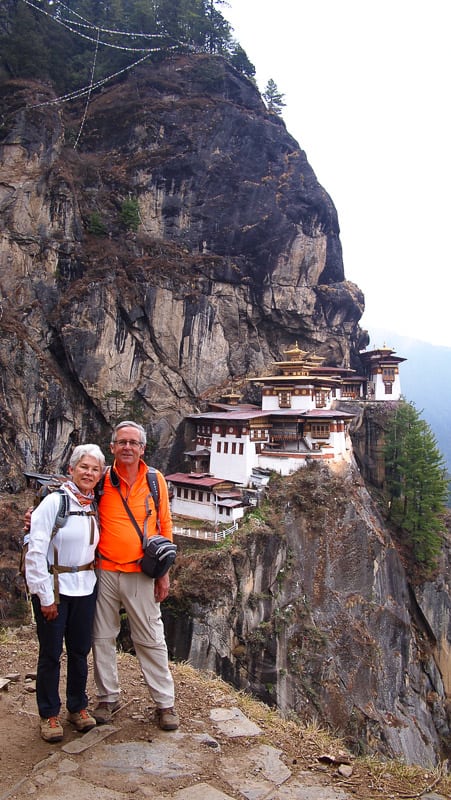
The ascent was challenging, but the breathtaking views and the palpable sense of spirituality made it worth every step. I was grateful for my Patagonia hiking gear, which proved incredibly durable and comfortable on the rugged terrain. Knowing that Patagonia prioritizes sustainable manufacturing practices added another layer of satisfaction to the experience. The gear performed flawlessly, reinforcing my belief in investing in quality, sustainable products. Wearing gear aligned to my values felt appropriate in a country committed to environmental stewardship.
Taktsang isn't just a pretty picture; it's a powerful symbol of Bhutanese Buddhism. Legend says that Guru Rinpoche, the "Second Buddha," flew to this location on the back of a tigress, meditating in a cave for three years, three months, three weeks, three days, and three hours. The monastery, built around this cave, is a place of pilgrimage and profound spiritual significance.
Bhutan takes environmental preservation seriously, especially around sacred sites like Taktsang. The trails are well-maintained, and efforts are made to minimize the impact of tourism on the surrounding environment. It's a testament to Bhutan's commitment to balancing development with conservation.
Finding Inner Peace: Meditation in the Mountains
One of the most transformative experiences of my trip was a guided meditation session with a local monk at a remote monastery overlooking the Paro Valley. The monastery was nestled amidst lush forests, far from the noise and distractions of modern life. The views were simply stunning – a panorama of verdant valleys, snow-capped mountains, and pristine rivers.
The monk's gentle guidance led me through a series of breathing exercises and mindfulness techniques. As I focused on my breath and the sounds of nature, I felt a sense of calm and clarity wash over me. The experience was incredibly grounding, helping me to connect with my inner self and appreciate the present moment. The unique Bhutanese architecture of the monastery—its intricate wood carvings, vibrant colors, and harmonious integration with the landscape—further enhanced the meditative atmosphere.
This session had a profound impact on my mental wellbeing. It reminded me of the importance of taking time for stillness and reflection, especially in our increasingly hectic world. I left the monastery feeling refreshed, rejuvenated, and deeply grateful for the opportunity to experience the peace and serenity of Bhutan.
Architectural Harmony: Dzongs, Chortens, and Traditional Homes
Bhutanese architecture is a unique blend of functionality, aesthetics, and spiritual symbolism. From the imposing Dzongs (fortress-monasteries) to the graceful Chortens (stupas) and the charming traditional houses, every structure reflects a deep respect for the environment and a commitment to harmony.
The Dzongs, like the Rinpung Dzong in Paro, are particularly impressive. These massive structures serve as both administrative centers and monastic residences, showcasing the power and influence of the Bhutanese government and Buddhist clergy. Their thick walls, towering towers, and intricate courtyards are testaments to Bhutanese craftsmanship and architectural ingenuity. The Rinpung Dzong’s cantilever bridges, which span over the Paro Chhu (river), exemplify the skillful integration of infrastructure within the architectural aesthetic.
Chortens, found throughout the country, are sacred monuments that symbolize the Buddha's mind. Their distinctive shapes and intricate decorations are imbued with spiritual meaning. Walking around a Chorten in a clockwise direction is considered a way to accumulate merit and purify negative karma.
Traditional Bhutanese houses are characterized by their distinctive rammed earth walls, wooden window frames, and sloping roofs. They are often adorned with intricate carvings and paintings, reflecting the family's social status and religious beliefs. The way these homes are built into the landscape, using locally sourced materials and traditional techniques, is a model of sustainable architecture.
Gross National Happiness: A Guiding Principle
Bhutan's commitment to Gross National Happiness (GNH) is perhaps its most defining characteristic. Unlike most countries, which prioritize economic growth, Bhutan measures its progress based on the well-being of its citizens and the preservation of its cultural and natural heritage.
GNH is based on four pillars: sustainable and equitable socio-economic development, environmental conservation, preservation and promotion of culture, and good governance. It's a holistic approach to development that emphasizes the importance of balance, harmony, and compassion.
My experience in Bhutan was deeply influenced by this philosophy. From the warm hospitality of the Bhutanese people to the pristine beauty of the natural environment, everything seemed to reflect a deep commitment to GNH. The focus on sustainable tourism, the preservation of cultural traditions, and the emphasis on spiritual well-being all resonated with my own values.
My traveler’s personal values deeply align with Bhutan's GNH philosophy, which added layers of meaningfulness to my travel experience.
Bhutan Homestay: A Model of Responsible Tourism
I chose to travel with Bhutan Homestay because of their commitment to responsible tourism. They are a locally owned tour operator that works closely with communities to ensure that tourism benefits everyone, not just a select few.
Bhutan Homestay's approach to tourism is based on the principles of sustainability, cultural sensitivity, and community empowerment. They prioritize local guides, support locally owned businesses, and promote environmentally friendly practices. They also work to educate travelers about Bhutanese culture and customs, helping them to be respectful and responsible visitors. They contributed greatly to my experience of responsible tourism in Bhutan.
Traveling Responsibly in Bhutan: Tips for the Eco-Conscious Traveler
If you're planning a trip to Bhutan, here are some actionable recommendations for traveling responsibly:
- Support the local economy: Buy crafts directly from artisans, eat at locally owned restaurants, and stay in locally owned homestays like the ones arranged by Bhutan Homestay.
- Respect local customs: Dress modestly, remove your shoes before entering temples and homes, and ask permission before taking photos of people.
- Leave no trace: Pack out all your trash, avoid using single-use plastics, and be mindful of your impact on the environment.
- Conserve resources: Use water and energy sparingly, and choose accommodations that prioritize sustainability.
- Learn about Bhutanese culture: Read books, watch documentaries, and talk to locals to gain a deeper understanding of Bhutanese history, traditions, and values.
Bhutan's commitment to sustainability is evident in its clean air, pristine rivers, and lush forests. By traveling responsibly, we can help to preserve this precious environment for future generations.
Conclusion: A Transformative Journey
My trip to Bhutan was more than just a vacation; it was a transformative journey that challenged my assumptions, broadened my perspective, and deepened my appreciation for the beauty and fragility of our planet. It was a journey to find Bhutan luxury sustainable travel. I left Bhutan with a renewed sense of purpose, a deeper connection to myself, and a commitment to living a more sustainable and mindful life. I urge anyone seeking a truly meaningful travel experience to consider visiting this remarkable kingdom. Book your trip now with Bhutan Homestay and experience the magic for yourself!