Bhutan: In the Land of the Thunder Dragon: A Jou...
Stepping off the plane in Paro, Bhutan, is like entering a different world. The air is crisp and clean, scented with the subtle aroma of burning incense, a constant reminder of the deep spirituality that permeates every aspect of Bhutanese life. This isn't just another travel destination; it's a journey into a kingdom committed to "High Value, Low Impact" tourism, a philosophy that immediately sets it apart. The feeling is palpable: you’re not just a tourist, you’re a guest in a nation fiercely protective of its culture and environment. This blog post will take you through my recent adventure in the heart of Bhutan, focusing on the captivating Paro Valley and the bustling capital, Thimphu.
Autumn in Bhutan: A Festival of Colors and Culture
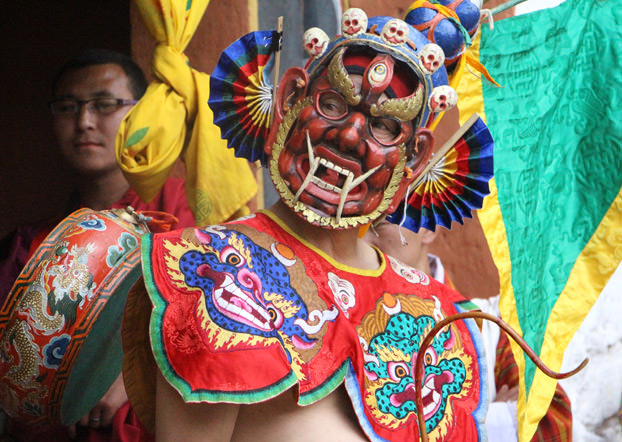
My visit coincided with the Thimphu Tshechu, a vibrant and deeply spiritual festival held annually. The atmosphere was electric. Thousands of Bhutanese, dressed in their finest traditional clothing, had gathered to witness the sacred mask dances.
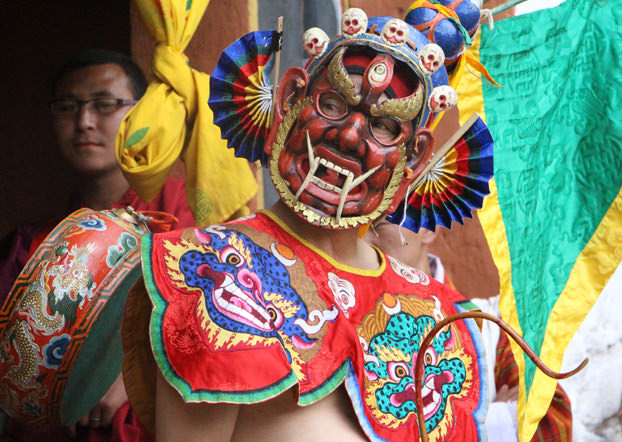
The rhythmic drumming and chanting filled the air as the dancers, adorned in elaborate costumes and masks, performed the Guru Tshengye dance. Each movement told a story, a legend passed down through generations. Observing the Atsara clowns was also a unique experience. These mischievous figures, with their witty antics and exaggerated gestures, provided comic relief, their laughter echoing through the crowd.
The highlight of the festival was undoubtedly the unfurling of the Thongdrel, a massive tapestry depicting Guru Rinpoche. A collective gasp swept through the crowd as the enormous banner was revealed, its vibrant colors illuminated by the morning sun. I made sure to maintain a respectful distance (at least 10 meters) and resisted the urge to use flash photography, knowing it could damage the delicate textiles. With my zoom lens set to f/5.6, I used burst mode to capture the incredible movements of the dancers, trying to capture the light as it shimmered across the silks.
The Ascent to Tiger's Nest: A Spiritual Pilgrimage
No trip to Bhutan is complete without a hike to the iconic Tiger's Nest Monastery (Taktsang). Perched precariously on a cliffside, it's a sight to behold, but reaching it is no easy feat. The hike is challenging, especially with the thin mountain air.
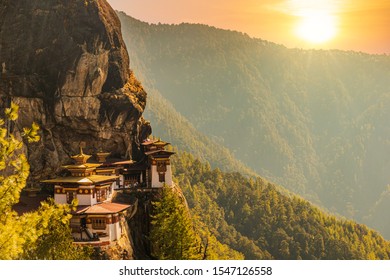
Each step was a test of endurance, but the breathtaking views of the Paro Valley below kept me motivated. Prayer flags fluttered in the wind, carrying mantras and blessings across the landscape. Reaching the top was an incredible feeling of accomplishment. The spiritual significance of the site is palpable, the scent of butter lamps and the chanting of monks filling the air with a sense of peace and tranquility. I shot Tiger's Nest early in the morning, framing the monastery against the cliffs with an aperture of f/8 to ensure sharpness.
Stepping Back in Time: The Folk Heritage Museum
In Thimphu, I visited the Folk Heritage Museum, a fascinating glimpse into traditional Bhutanese life. The exhibits showcased farming practices, traditional tools, and the architecture of a traditional Bhutanese farmhouse. The aroma of spices lingered in the traditional kitchen, and I learned about different clothing styles, like the Kira for women and the Gho for men. It felt like stepping back in time, gaining a deeper understanding of Bhutanese culture and heritage.
Archery: More Than Just a Sport
Archery is the national sport of Bhutan, and I had the opportunity to participate in a lesson. It's more than just a game; it's a cultural tradition deeply rooted in Bhutanese society. The twang of the bowstring and the cheers of the onlookers created an exciting atmosphere.
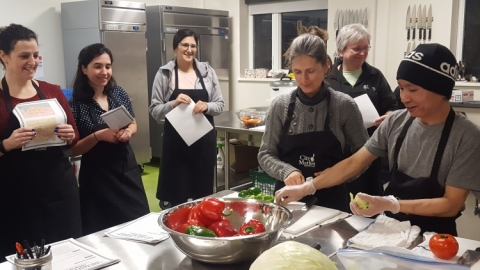
The techniques involved were challenging, and hitting the target proved to be much harder than it looked. The ceremonial attire of the archers added to the spectacle. I learned that archery contests are often accompanied by elaborate rituals and celebrations.
A Culinary Journey Through Bhutan
Bhutanese cuisine is a delightful adventure for the taste buds. Ema Datshi, the national dish, is a creamy and spicy chili cheese stew that's surprisingly addictive. Phaksha Paa, savory pork cooked with chilies, offers a smoky and spicy flavor. And of course, no trip to Bhutan is complete without trying Momos, delicious dumplings filled with meat or vegetables. I highly recommend dining in a traditional farmhouse in Paro for an authentic culinary experience. The textures and aromas of these dishes are unforgettable.
The Pristine Landscapes of Bhutan
Bhutan's natural beauty is simply breathtaking. The rolling hills are covered in vibrant rhododendron forests, their delicate scent perfuming the air. Glacial rivers carve their way through the valleys, their icy blue water creating a mesmerizing spectacle. The unique Bhutanese architecture, particularly the Dzongs (fortress-monasteries), are imposing structures with intricate carvings. To capture the vastness of the landscape, I used a wide-angle lens and a polarizing filter to enhance the colors and reduce glare. I also used the Dehaze tool in Lightroom to bring out more detail in the landscapes.
"High Value, Low Impact" Tourism: A Responsible Approach
Bhutan's "High Value, Low Impact" tourism policy is commendable. It ensures that tourism benefits the country and its people while minimizing its environmental impact. It's essential to respect local customs, support sustainable tourism practices, and avoid single-use plastics. Remember to bring a reusable water bottle! The mandatory daily tariff (around $250 USD) might seem high, but it contributes directly to conservation and community development. These funds support reforestation efforts, wildlife protection programs, and other initiatives that preserve Bhutan's unique environment and culture.
Ethical Considerations for Travelers
When visiting Bhutan, it's crucial to be mindful of local customs and traditions. Dress modestly (covering shoulders and knees) when visiting temples and monasteries. Remove your shoes before entering sacred spaces. Always ask for permission before taking photos of people. Supporting local businesses and artisans by purchasing handicrafts and souvenirs directly from them is a great way to contribute to the local economy.
Practical Advice for Visitors
Altitude sickness can be a concern in Bhutan. Drink plenty of water and avoid strenuous activity upon arrival. Spending a day or two in Paro before heading to higher altitudes will help you acclimatize.
A Transformative Journey
My journey through Bhutan was more than just a vacation; it was a transformative experience. The stunning landscapes, the rich culture, and the warm hospitality of the Bhutanese people left an indelible mark on my soul. I wholeheartedly recommend a visit to Bhutan. It's a destination that will challenge your perspectives, awaken your senses, and leave you with a deep appreciation for the beauty and fragility of our world. Remember to visit vistalocation.com for more travel inspiration!
Photography Tips for Bhutan
When photographing locals, always ask for permission and be respectful of their wishes. When shooting landscapes, use a tripod to ensure sharpness, especially in low-light conditions. Use a narrow aperture (f/11 or higher) to achieve maximum depth of field. If you use manual mode make sure to use shutter speed > 1/focal length to avoid blurry images.