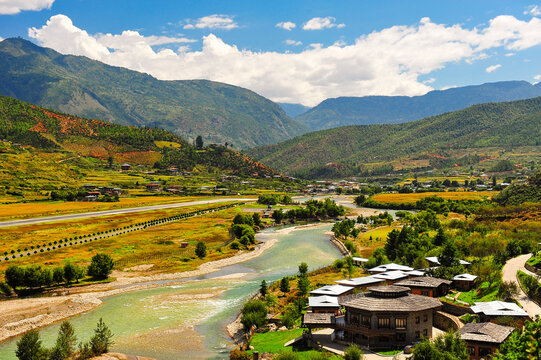
Bhutan: Finding Happiness in the Land of the Thu...
Namaste from Mumbai! This is Anya Sharma, a freelance photographer with a passion for cultural preservation, and I'm thrilled to share my recent journey to Bhutan with you. Often called the "Land of the Thunder Dragon," Bhutan is more than just breathtaking landscapes; it's a country deeply rooted in its unique philosophy of Gross National Happiness (GNH). Forget chasing material wealth – Bhutan prioritizes the well-being of its people and environment. As a photographer, I was eager to capture this essence, to see how GNH translates into daily life and sustainable tourism. Join me as I recount my adventures in Paro Valley and Thimphu, where I discovered a different definition of success. This Paro Valley travel guide unveils the true secrets of Bhutanese happiness, blending culture, spirituality, and sustainable practices for the conscious traveller.
Immersed in the Colors of Paro Tshechu
My trip coincided with the annual Paro Tshechu, a vibrant festival filled with masked dances and spiritual devotion. Imagine witnessing hundreds of monks adorned in hand-stitched silk brocade robes, glittering with gold thread and semi-precious stones. The costumes were truly works of art!
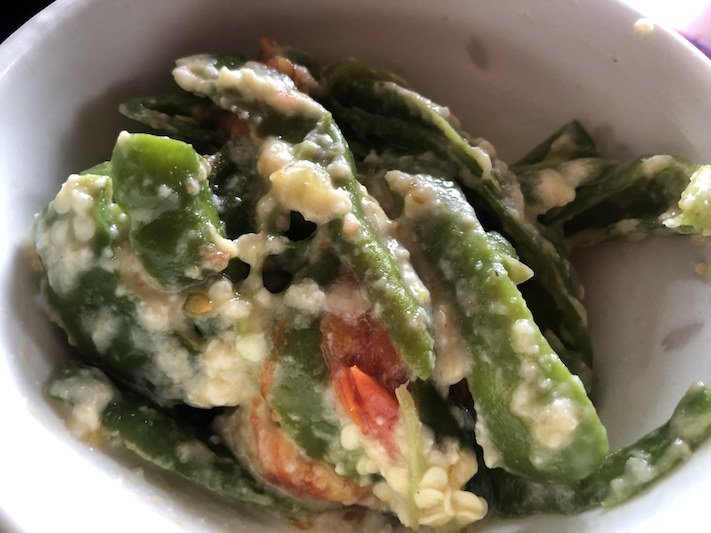
I was particularly captivated by the Guru Tshengye dance. The energy was palpable as the monks whirled and leaped, each movement telling a story of good triumphing over evil. Families gathered on the grounds, picnicking throughout the day, creating a lively and celebratory atmosphere. It was more than just a spectacle; it was a powerful display of community and faith – deeply rooted in Bhutanese festivals and culture.
Learning the Art of Bhutanese Cuisine
Beyond the festival, I sought a more intimate glimpse into Bhutanese life. I was fortunate enough to participate in a traditional Bhutanese cooking lesson at a local family's farmhouse in the serene village of Genekha. The warmth and hospitality I experienced were truly heartwarming.
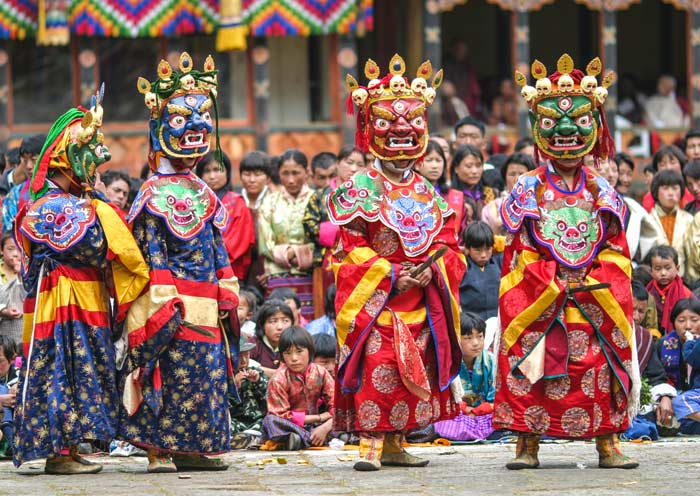
We prepared Ema Datshi, the national dish of Bhutan, a comforting stew of chilies and cheese. The chilies, capsicum annuum, were dried under the sun, giving them a unique smoky flavor that added depth to the dish. We also made Momos, delicious dumplings where the dough was kneaded with yak butter, giving it a richer, more flavorful taste.
But the highlight wasn't just the cooking; it was the conversations. I asked the family about their understanding of GNH, and their answers were profound. They defined happiness not by material possessions but by strong family bonds, community support, and contentment with their simple way of life. Experiencing how to cook Ema Datshi in Genekha, Bhutan truly highlighted the importance of simple living.
The Fiery Flavor of Ema Datshi
Ema Datshi is more than just a dish; it’s a culinary representation of Bhutan. The heat from the chilies, perfectly balanced by the creamy and tangy Datshi (cheese made from yak's milk), creates a symphony of flavors that is both comforting and nourishing. It's a staple in every Bhutanese household and a must-try for any visitor.
Street Food Delights: Thimphu's Momos
Later, in Thimphu, I indulged in street food Momos near the iconic clock tower. I sampled different fillings – pork with ginger and garlic, beef with spring onions, and vegetarian options with cabbage and carrots. The vibrant atmosphere, filled with locals sharing stories and laughter, perfectly captured the social aspect of Bhutanese street food culture.
The Goodness of Red Rice
No meal in Bhutan is complete without red rice. Cultivated in the Paro Valley on terraced fields irrigated with glacial water, this nutty and slightly sweet grain is packed with antioxidants and fiber. It's a testament to Bhutan's commitment to sustainable agriculture.
Scaling the Heights to Tiger's Nest Monastery
One of the most iconic landmarks in Bhutan is the Tiger's Nest Monastery (Taktsang), perched precariously on a cliffside. The hike to the monastery was challenging, to say the least. The altitude, rising to 10,240 feet, took its toll, and the steep inclines required multiple rest stops.
However, the breathtaking views along the way made it all worthwhile. From the final stairway, I captured stunning photographs of a cascading waterfall, a hidden gem amidst the rugged landscape. Reaching the monastery was an incredibly rewarding experience, a symbol of spiritual dedication and architectural ingenuity. These Hike to Tiger's Nest tips are important to know before you attempt it.
Exploring the Heart of Thimphu
Thimphu, the capital city, offers a unique blend of tradition and modernity. The weekend market is a vibrant hub where local artisans showcase their creations.
I was fascinated by the Thangkas, intricate paintings depicting Buddhist deities, painted with natural pigments. I also admired the Kira fabric, woven with complex geometric patterns. I spoke with a weaver who explained the symbolism of the colors used in her Kira, revealing the deep cultural significance woven into every thread.
The market plays a crucial role in preserving Bhutanese traditions, providing a platform for artisans to sell their creations directly to customers, ensuring that these skills are passed down through generations.
Delving into Bhutanese Heritage
A visit to the Folk Heritage Museum in Thimphu offered further insights into Bhutanese rural life. The reconstructed traditional farmhouse, complete with a functioning watermill, was particularly captivating. I also witnessed demonstrations of traditional Bhutanese crafts like paper making from Daphne bark, a skill that has been practiced for centuries.
A Landscape of Untouched Beauty
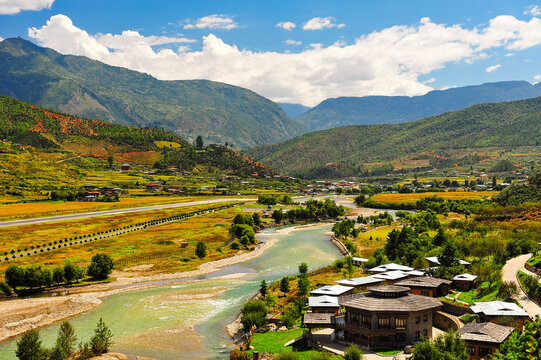
The Paro Valley is a sight to behold. Lush green rice paddies stretch as far as the eye can see, crystal-clear rivers wind through the valley floor, and the snow-capped Himalayan peaks, including the majestic Jomolhari, loom in the distance. It's a landscape that inspires awe and tranquility.
Architectural Marvels
Bhutanese architecture is as distinctive as its landscape. The intricate wood carvings depicting mythical creatures, the whitewashed walls made from mud and stone, and the sloping roofs designed to withstand heavy snowfall are all hallmarks of this unique style.
The Rinpung Dzong in Paro is a prime example, with its imposing architecture and intricate artwork. These buildings are not just structures; they are living testaments to Bhutanese artistry and craftsmanship. Discovering Bhutanese architecture is one of the best things you can do in Bhutan.
Gross National Happiness in Action
Throughout my journey, I witnessed firsthand how the GNH philosophy is woven into the fabric of Bhutanese society. From the country's commitment to carbon neutrality to the strong sense of community and contentment with simple living, GNH is more than just a concept; it's a way of life.
I had a particularly insightful conversation with a local farmer who expressed his contentment with his traditional way of life, valuing his family and community above material wealth. This sentiment resonated deeply with me and challenged my own perspectives on success and happiness. The Bhutan GNH philosophy has a big impact on daily life.
Finding Happiness: A Changed Perspective
My trip to Bhutan was more than just a vacation; it was a transformative experience. I witnessed a society that prioritizes well-being, community, and environmental stewardship over material wealth. It challenged my own perspectives on success and happiness, inspiring me to re-evaluate my priorities and live a more meaningful life.
I am now even more committed to using my photography to promote cultural preservation and sustainable tourism, hoping to share the beauty and wisdom of Bhutan with the world.
Plan Your Visit to Bhutan
Bhutan is a truly special place, a destination that will leave you feeling inspired and rejuvenated. I encourage you to visit and experience its unique culture and philosophy for yourself.
Remember to travel responsibly and sustainably, supporting local businesses and respecting the environment. By doing so, you can help preserve the magic of Bhutan for future generations.
Ready to find your own happiness in the Land of the Thunder Dragon? Let the planning begin! Book Anya's photography tour to see this landscape for yourself.