Bhutan: Ethical Travel in the Land of the Thunde...
Bhutan, the Land of the Thunder Dragon, isn’t just another pretty picture on your Instagram feed. It’s a conscious choice, a commitment to ethical travel and a glimpse into a society that values Gross National Happiness over GDP. As a solo female traveler, I recently embarked on an unforgettable journey through this Himalayan kingdom, ditching the typical tourist traps for a more meaningful experience. Forget the gas-guzzling buses; I explored Bhutan in a Tesla Model X, proving that sustainable travel can be both luxurious and impactful.
Beyond the Postcard: Bhutan's Architectural Story
Forget generic temples and cookie-cutter tourist spots. Bhutan's architecture tells a story, a visual narrative woven into every intricately carved detail. The buildings aren't just structures; they're living testaments to Bhutanese culture and spirituality.
Take, for instance, the Rabsel window frames. These aren't just decorative elements; each intricate carving tells a tale, often depicting Buddhist deities, auspicious symbols, or moral lessons. The colors aren't just pretty; they represent different elements and deities, adding layers of meaning to the visual tapestry. Keep an eye out for dragons (Druk) as they protect the home and bring good luck. They are typically found in a pair and prominently displayed.
Kangling Protective Eaves
Another key element in Bhutanese architecture is the Kangling, or protective eave. Designed to shield the buildings from weather, these are just another testament to architectural ingenuity.
A Fiery Feast: Diving into Bhutanese Cuisine
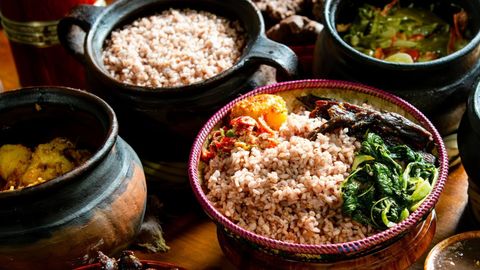
Prepare your taste buds for an adventure! Bhutanese cuisine is a unique blend of flavors, textures, and, most importantly, spice! The national dish, Ema Datshi, is a fiery kick in the mouth – a chili cheese stew that's both comforting and intensely flavorful. Pro-tip: prepare yourself, it's HOT! It is, however, a must-try.
Beyond Ema Datshi, be sure to sample Momos (dumplings), often filled with meat or vegetables, and the hearty red rice, a staple in Bhutanese diets. Many restaurants are adapting to offer less spicy versions of traditional foods, so be sure to ask.
Traveling with a Conscience: Ethical Tourism in Action
I wanted my trip to Bhutan to be more than just sightseeing; I wanted to travel ethically, supporting local communities and minimizing my environmental impact. That's why I chose to travel with World Expeditions, an organization dedicated to low-impact tourism. World Expeditions carefully vets its community partners to ensure funds go towards infrastructure improvements and conservation efforts.
Through them, I had the opportunity to connect with an amazing artisan in a remote village, learning about traditional textile weaving and contributing directly to their livelihood. Consider booking a Bhutan Homestay for an immersive experience. I highly recommend Intrepid Travel as well. Intrepid Travel
Supporting Local Communities
Opting for locally owned guesthouses and restaurants, purchasing handicrafts directly from artisans, and engaging in cultural experiences facilitated by local guides all contribute to a more sustainable and equitable tourism model.
Bhutan's Green Revolution: Sustainability in Practice
Bhutan isn’t just paying lip service to sustainability; they're actively implementing policies and initiatives to protect their environment. One of the most striking examples is their commitment to electric vehicles. I charged my Tesla... in the middle of nowhere! The government and tourism sector are actively promoting electric vehicles, ensuring a greener future.
Electric vehicles are becoming increasingly popular in Bhutan, and the government has invested in charging infrastructure across the country. Even in remote locations, you'll find charging stations, making it possible to explore Bhutan without relying on fossil fuels.
Clean Bhutan: A Collective Effort
I even volunteered with Clean Bhutan, a local NGO dedicated to waste management and environmental conservation. Clean Bhutan Seeing locals and tourists working together to keep this place pristine was truly inspiring.
Luxury with a Conscience: Eco-Lodges in Bhutan
Forget generic hotels. I stayed in an eco-lodge powered by the sun! They used local materials and have amazing sustainability initiatives, like rainwater harvesting and organic farming. It's luxury with a conscience, proving that you don't have to sacrifice comfort to travel responsibly.
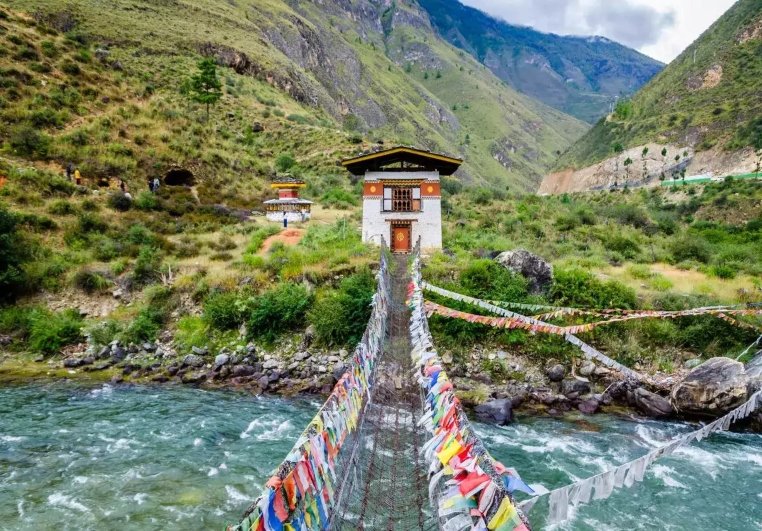
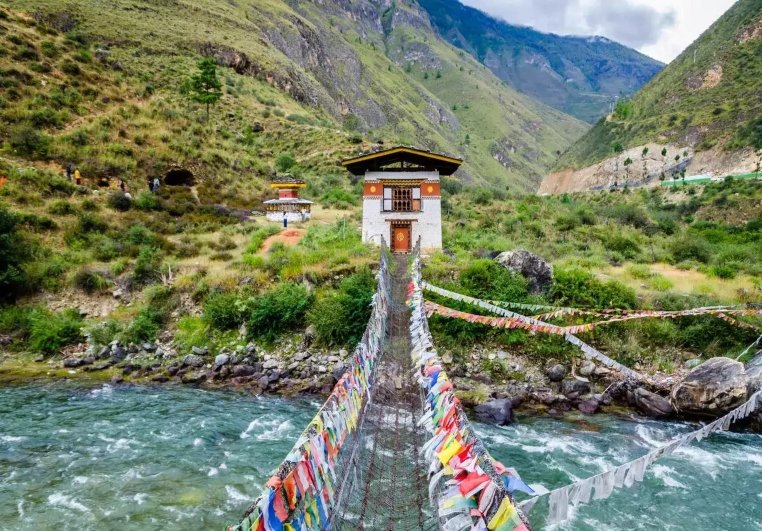
Paro Valley: A Breathtaking View
The landscape is breathtaking. Bhutan has something for everyone and a variety of sights to behold. It really helps you see the interconnectedness of architecture, culture and Gross National Happiness.
Practical Advice for Ethical Travelers:
- Choose Responsible Tour Operators: Look for companies like World Expeditions or Intrepid Travel that prioritize community-based tourism and environmental sustainability.
- Support Local Businesses: Stay in locally owned guesthouses, eat at local restaurants, and buy handicrafts directly from artisans.
- Minimize Your Waste: Bring a reusable water bottle, avoid single-use plastics, and properly dispose of your waste.
- Respect Local Culture: Dress modestly, be mindful of local customs, and ask permission before taking photos.
- Offset Your Carbon Footprint: Consider purchasing carbon offsets to compensate for your travel emissions.
The Silence of Sustainability
Bhutan offers a unique opportunity to experience travel in a more sustainable and conscious way. The combination of stunning landscapes, rich culture, and commitment to ethical practices makes it a truly unforgettable destination. The best part? The silence. No gas guzzlers, just the whisper of the wind and the open road. Though, finding a bathroom took a lot longer than planned!
Have you ever traveled ethically? Share your experiences and tips in the comments below!