Bhutan Cultural Immersion Travel: My Journey to...
Bhutan, the Land of the Thunder Dragon, a mystical kingdom nestled in the Himalayas. It's a place I had dreamed of visiting for years, a land celebrated not for its GDP, but its Gross National Happiness. Finally, that dream became a reality. This isn't just another travel blog post; it's a journey into the heart and soul of Bhutan, a deep dive into its vibrant culture, and a look at the Bhutan sustainable tourism workshop. Join me, Anya, as I recount my personal experiences, the sensory details that painted this unforgettable adventure, and the profound interactions with the warm-hearted people of Bhutan.
Whispers on the Wind: The Prayer Flags of Bhutan
Everywhere I looked, the Bhutanese landscape was adorned with vibrant prayer flags, Lung ta, fluttering in the wind like colorful kites carrying silent prayers. These aren't mere decorations; they are powerful symbols rooted in ancient Tibetan Buddhism. The flags are rectangular pieces of cloth connected along their top edge, strung along ridges, temples, monasteries and other spiritual places. I learned that each of the five colors holds deep significance. Blue represents the sky and space, white symbolizes air and clouds, red embodies fire, green signifies water, and yellow represents earth. These elements are the foundation of our world and the essence of Bhutanese spirituality.
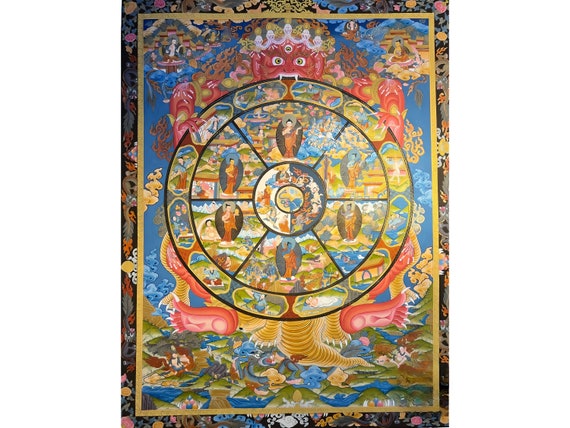
I witnessed firsthand the process of printing these flags. Local artisans meticulously carve images and mantras into wooden blocks. Ink is then applied to the block, and the images are pressed onto the cloth. The most common mantra I saw printed was Om Mani Padme Hum, the mantra of compassion, which calls upon the divine within. This is the most common mantra and probably the most famous. Other mantras include ones that relate to specific deities, or practices. Each flap represents a prayer or blessing being carried on the wind to spread goodness and harmony across the land. Learn about prayer flag weaving Bhutan tutorial here.
Cutting Through Ignorance: The Dance of the Black Hat Dancers
The air crackled with energy and anticipation at the Tsechu, a vibrant religious festival. Amidst the masked dancers and colorful costumes, the Sha Nga Cham, the Dance of the Black Hat Dancers, was particularly captivating. These dancers, adorned in black hats and robes, perform a ritualistic dance that symbolizes the subjugation of evil spirits.
One particular mudra, hand gesture, caught my attention. It was the Tarjani mudra, a threatening gesture where the index finger is extended while the other fingers are clenched into a fist. The dancer held this pose with intense focus, and I later learned that this gesture represents the cutting through of ignorance and negativity. It's a powerful visual representation of overcoming inner demons and clearing the path to enlightenment. Learning about the Black Hat Dancers Bhutan festival meaning enriched my cultural experience.
Whispers of Prophecy: A Tea House Revelation at Tiger's Nest
The hike to the Tiger's Nest Monastery (Paro Taktsang) was both challenging and awe-inspiring. After hours of climbing, I gratefully collapsed at the tea house halfway up, seeking respite and refreshment. As I sipped my butter tea, I overheard a hushed conversation between two monks. They spoke of prophecies and hidden treasures, of the coming of Pema Lingpa, a renowned tertön, or treasure discoverer.
The monks spoke in hushed tones, and I strained to understand. I gathered that they were discussing the termas, hidden spiritual treasures that Pema Lingpa was destined to find. These treasures, they believed, held the key to the future of Bhutan and the preservation of its spiritual heritage. One monk said, and I've translated it to English: "When the iron bird flies, and horses run on wheels, the treasures of Pema Lingpa will reveal themselves, and the Dharma will flourish." The Tiger's Nest, they believed, was a place where many of these termas were hidden, waiting to be discovered when the time was right. The Rinpung Dzong spiritual significance resonates deeply through the valleys.
Tashi's Treasure: The Yak Cheese of Merak
Leaving the spiritual heartland of Paro, I journeyed eastward to meet Tashi, a yak farmer from the remote Merak region. Merak is known for its semi-nomadic yak herders, the Brokpas, who live a life deeply intertwined with their animals. Tashi's face was weathered by the sun and wind, but his eyes twinkled with warmth and a deep connection to his land.
"Welcome, welcome!" he greeted me. "Come, taste the cheese!"
I asked him about the yaks. "We have the Brokpa yak, they are strong and hardy. They are our life here," Tashi explained. "The high altitude makes it difficult, yes. The snow, the thin air… but the yaks are strong. They give us milk, meat, and wool."
I asked about the cheese. "The cheese," he smiled, "it is special. The yaks eat the high-altitude grasses. This gives the milk, and the cheese, a unique flavor. You cannot find it anywhere else."
I then had the chance to interview Tashi:
Anya: "What are the biggest challenges you face as a yak farmer?"
Tashi: "The changing climate, mostly. The snows are less predictable. It makes it harder to find grazing for the yaks."
Anya: "What is your favorite part of your life?"
Tashi: "Being with the yaks, on the mountains. It is a hard life, but it is a good life."
Anya: "What do you hope for the future?"
Tashi: "That my children will continue the tradition. That the yaks will always be here."
The yak cheese was indeed unique – a tangy, slightly smoky flavor that spoke of the mountains and the hard work of the Brokpa people. Looking for the best place buy authentic Yak cheese Bhutan? Venture into the eastern regions and seek out local producers.
The Art of the Da: Bhutanese Archery
Archery, or Da, is more than just a sport in Bhutan; it's a cultural institution. I had the opportunity to witness an archery demonstration, and I was struck by the skill and precision of the archers. The Da, the traditional Bhutanese bamboo bow, is a masterpiece of craftsmanship.
The bow is crafted from a specific type of bamboo known for its flexibility and strength. It is meticulously shaped and then adorned with colorful ribbons and tassels. These aren't merely decorative; they are said to bring good luck and ward off evil spirits.
The archers, dressed in traditional garb, took aim with unwavering focus. The twang of the bow, the whoosh of the arrow, and the resounding thud as it hit the target (or missed spectacularly!) created an atmosphere of excitement and camaraderie. Be sure to find an archery demonstration near Tiger's Nest during your travels.
The Aroma of Earth: Foraging for Matsutake
Forget the common shamu mushrooms. In Bhutan, the real treasure lies in the Matsutake mushrooms, found in specific valleys during the autumn season. I joined a group of locals on a foraging expedition, venturing deep into the forests. The air was thick with the earthy aroma of pine needles and damp soil, and the excitement was palpable as we searched for these elusive fungi.
After hours of searching, we struck gold – a cluster of Matsutake mushrooms, their caps partially hidden beneath the fallen leaves. The aroma was intoxicating, a blend of earth, spice, and pine. That evening, we prepared the Matsutake with cheese, following a local recipe. The mushrooms were sautéed with butter and then simmered in a creamy cheese sauce. The flavor was extraordinary – the earthy aroma of the mushrooms complementing the rich, savory cheese. Seek out an Ema Datshi cooking class Bhutan to learn more!
A Taste of Happiness: Hoentse Momos and Chili-Garlic Oil
No trip to Bhutan is complete without indulging in momos, the delicious dumplings that are a staple of Bhutanese cuisine. I tried many different varieties, but my favorite were the Hoentse momos, from the Haa Valley. These momos are unique because they are filled with spinach and cheese, a delightful combination of savory and slightly sweet.
But the real magic lay in the chili-garlic oil that the Momo vendor prepared. He used a blend of local chili peppers, including the fiery Bhut Jolokia (ghost pepper), along with garlic, ginger, and a secret blend of spices. The oil was infused with an intense heat and a complex aroma that elevated the momos to a whole new level of deliciousness. Try booking Bhutan Local Food Tours for Vegetarians!
The Ruby Grain: Bumthap Red Rice
Instead of just generic rice, Bumthap red rice grown in the Bumthang Valley is a world apart. The Bumthang Valley is known for its sustainable farming practices. The unique nutty flavor of the rice is enhanced by crop rotation and organic fertilization. It makes a great option for people wanting to know more about Bhutanese red rice nutritional benefits information.
The Symphony of Silence: Paro Valley Sounds
The Paro Valley isn't just a feast for the eyes; it's also a symphony for the ears. In the early morning, just as the sun began to peek over the mountains, the calls of the Himalayan Monal pheasant echoed through the valley. It was a distinctive sound, a loud, piercing whistle that seemed to announce the arrival of a new day. As the day warmed up, the chirping of cicadas filled the air, creating a constant, rhythmic backdrop to the valley's serene beauty. Experiencing Paro Valley sounds guided meditation brought me closer to nature.
Protection and Royalty: The Parasol of Rinpung Dzong
The Rinpung Dzong, a fortress-monastery in Paro, is a stunning example of Bhutanese architecture. As I explored the Dzong, I was particularly drawn to the Parasol, a symbol of protection and royalty. This isn't just any umbrella; it's an intricately crafted masterpiece, adorned with silk and gold, positioned above the throne of the abbot. Its presence signifies the protection of the Dharma, the teachings of Buddha, and the authority of the spiritual leader. The intricate details were beautiful, and it reflected the spiritual and royal symbols of Bhutan.
Conclusion: A Journey of the Soul
My journey to Bhutan was more than just a vacation; it was a journey of the soul. From the prayer flags whispering on the wind to the yak cheese tasting experience Bhutan, every moment was filled with profound meaning and connection. I left Bhutan with a deeper appreciation for its culture, its people, and its commitment to Gross National Happiness. Consider booking authentic Bhutanese homestay family for future immersive experiences.
If you're seeking a travel experience that nourishes the mind, body, and spirit, Bhutan should be at the top of your list. Learn more about Bhutan sustainable tourism workshop and plan your adventure to the Land of the Thunder Dragon today!
Viral Video Concept: The Disappearing Monk (Bhutan Edition)
HOOK: Rapidly spinning kora (prayer wheel) at Rinpung Dzong with BRIGHT saturated colors; Wheel spins faster and faster, then slows suddenly.
SCENE: Cinematic 4K, shot on RED camera. Golden hour lighting creates dramatic shadows. Deep focus on the prayer wheel mechanism.
TWIST: Suddenly, a monk disappears from a seated position next to the prayer wheel in a quick camera cut (one frame only - think horror movie blink-and-you-miss-it) and is replaced by a small pile of Bhutanese red rice.
VIRAL ELEMENTS:
- SURPRISE: The monk's sudden disappearance is unexpected.
- CLARITY: The shot is clear and visually arresting.
- EMOTION: Evokes curiosity and a touch of amusement.
- VISUAL STYLE: Cinematic, vibrant colors.
TECHNICAL SPECIFICATIONS:
- CAMERA WORK: Slow-motion close-up on the spinning prayer wheel rapidly accelerates, then cuts to a static shot of the seated monk with a dramatic close-up of their face, then blinks to red rice pile.
- LIGHTING: Golden hour provides warm, dramatic lighting.
- COMPOSITION: Extreme close-up on prayer wheel gears. Focus shift to Monk's serene face.
- QUALITY: Cinematic 4K, shot on RED camera at 120 fps.
PACING & STRUCTURE:
- Start IN MEDIAS RES: Immediately with the spinning prayer wheel.
- Punch early: The hook should capture attention in the first 2 seconds.
- Action words: "Rapidly," "suddenly," "disappears."
- Explicit twist: Monk vanishes, replaced by red rice.
- One main idea: Unexpected vanishing act in a sacred space.