Bhutan: Beyond the Clouds - A Journey of Spiritu...
Bhutan, the Land of the Thunder Dragon, is more than just a destination; it’s an experience that resonates deep within the soul. Nestled high in the Himalayas, this kingdom practices Gross National Happiness (GNH) as its guiding philosophy, creating a unique atmosphere of peace and contentment. My recent journey to Bhutan, a Bhutan spiritual travel adventure, transcended the typical tourist experience, immersing me in a world of ancient traditions, breathtaking landscapes, and profound spiritual awakening. From the vibrant Paro Tshechu festival to the serene meditation retreats and the iconic Tiger's Nest Monastery hike, Bhutan captivated my heart and changed my perspective on life. This is my story of discovering Bhutan's magic.
Witnessing the Spectacle of Paro Tshechu
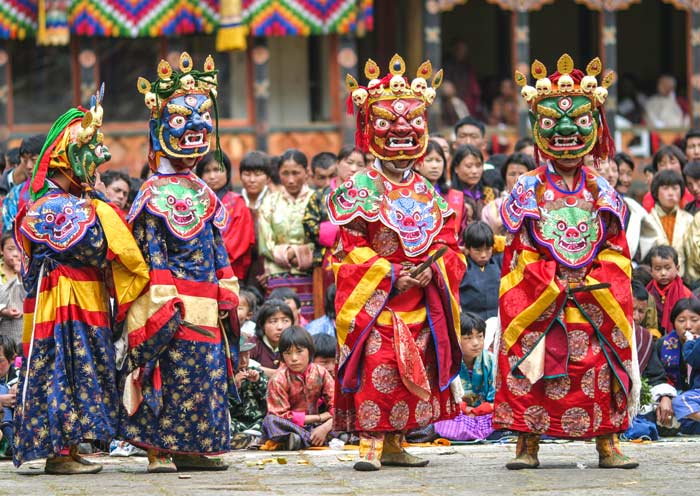
One of the highlights of my trip was attending the Paro Tshechu, a vibrant annual festival celebrating Guru Rinpoche, who brought Buddhism to Bhutan. This five-day event is a riot of color, music, and sacred masked dances known as Cham dances. The atmosphere was electric, filled with a palpable sense of devotion as Bhutanese people from all walks of life gathered in their finest traditional attire.
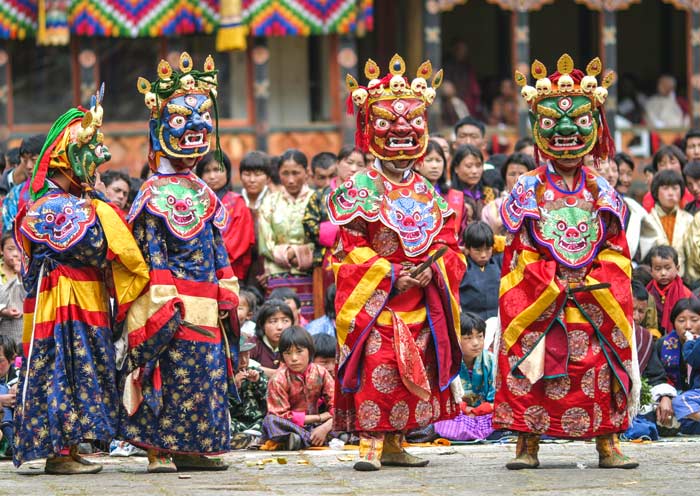
The Cham dances were mesmerizing. Each dance tells a story, conveying Buddhist teachings and vanquishing evil spirits. The dancers, adorned in elaborate silk brocade costumes and intricate masks, moved with grace and precision, accompanied by the rhythmic sounds of drums, cymbals, and horns. One dance that particularly stood out was the Guru Tshengye, representing the eight manifestations of Guru Rinpoche. Witnessing the Guru Tshengye, where dancers wearing masks representing each manifestation, powerfully illustrates Guru Rinpoche's ability to appear in different forms to guide sentient beings. Understanding the symbolism and meaning behind the dances deepened my appreciation for Bhutanese culture and spirituality. You can find the best time to visit Paro Tshechu usually in Spring.
Finding Inner Peace at Phajoding Monastery: A Meditation Retreat
Seeking deeper introspection, I embarked on a guided meditation retreat at Phajoding Monastery, perched high on a mountain overlooking Thimphu. The Phajoding Monastery meditation retreat offered a unique opportunity for quiet contemplation and connection with nature. The hike to the monastery was challenging but rewarding, winding through lush forests with stunning views of the valley below.
The teachings I received at Phajoding focused on mindfulness, compassion, and the nature of reality. The quietude of the monastery, broken only by the gentle chanting of monks and the rustling of leaves, created a profound sense of peace. Meditation sessions were held in the mornings and evenings, allowing me to quiet my mind and connect with my inner self. This experience profoundly impacted my perspective, teaching me the importance of living in the present moment and cultivating inner peace amidst the chaos of daily life. How to prepare for a meditation retreat in Bhutan? Pack warm layers, comfortable shoes, and an open mind.
A Culinary Adventure: The Homa (Hot Stone Bath) and Bhutanese Flavors
No journey to Bhutan is complete without experiencing its unique cuisine. I indulged in a traditional Homa (hot stone bath) meal, a truly immersive culinary and cultural experience. The process begins with river stones being heated over a wood fire for hours. Once scorching hot, they are carefully placed into a wooden tub filled with water infused with medicinal herbs.
Soaking in the Homa was incredibly relaxing, the heat from the stones easing my muscles and soothing my mind. Afterward, I enjoyed a delicious Bhutanese meal. Of course, I had to try Ema Datshi, Bhutan's national dish, made with chilies and cheese. I savored versions made with different types of chilies, including the milder Kewa Datshi (with potatoes) and the spicier Shamu Datshi (with mushrooms). Each dish was bursting with unique flavors, showcasing the Bhutanese love for chilies and fresh, local ingredients. An authentic Bhutanese Homa stone bath experience review: Worth it! The combination of relaxation and delicious food is unparalleled.
Hiking to Tiger's Nest Monastery (Paro Taktsang): A Spiritual Pinnacle
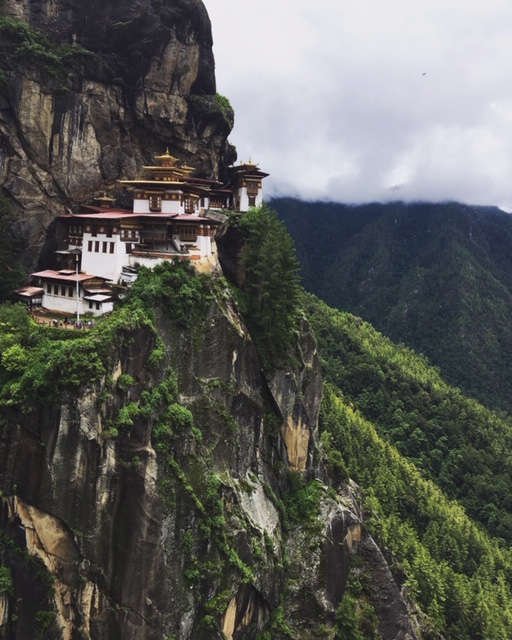
My journey culminated in the iconic hike to Tiger's Nest Monastery (Paro Taktsang), one of the most sacred sites in Bhutan. The Tiger's Nest Monastery hike is a challenging but unforgettable experience. The ascent began through a pine forest, the air thick with the scent of incense and the sound of prayer flags fluttering in the wind.
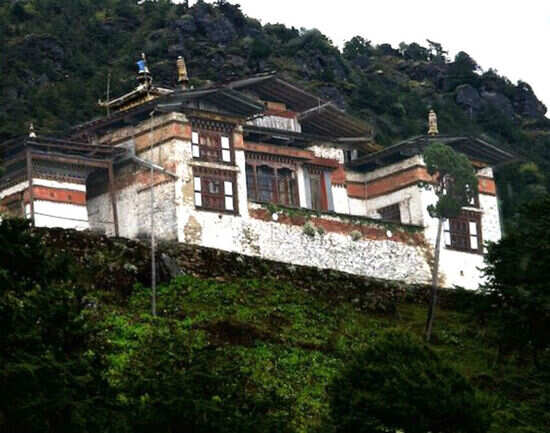
From various vantage points along the path, the views of the monastery perched precariously on the cliffside were simply breathtaking. Each prayer flag, whipping in the wind, seemed to whisper mantras of peace and goodwill. Reaching the monastery was a moment of profound accomplishment. The spiritual importance of the site stems from its history: Guru Rinpoche is said to have meditated here in the 8th century after flying on the back of a tigress.
Inside, the monastery exuded an atmosphere of serenity and reverence. As visitors, it's vital to engage respectfully with this religious site. Remove your shoes before entering temples, maintain silence, and avoid photography in designated areas. Respect the monks and their practices, and be mindful of your surroundings. Is the Tiger's Nest Monastery hike difficult? Yes, but the experience is worth it. How long does it take to hike to Tiger's Nest Monastery? Around 5-7 hours, round trip.
Helpful Advice for the Tiger's Nest Hike
- Start early: To avoid the crowds and the midday heat.
- Wear comfortable shoes: The trail is uneven and steep in places.
- Stay hydrated: Bring plenty of water.
- Take your time: Enjoy the views and the spiritual atmosphere.
- Listen to your body: Rest when needed.
Embracing the Bhutanese Spirit: Ethical and Cultural Considerations
Bhutan’s unique approach to tourism emphasizes sustainability and cultural preservation. The country follows a "High Value, Low Impact" tourism policy, which means visitors pay a daily tariff that contributes to Bhutan’s economic development, environmental conservation, and cultural preservation. This model helps protect Bhutan’s pristine environment and ensures that tourism benefits the local communities. Ethical tourism practices during Paro Tshechu include respecting local customs and traditions, supporting local businesses, and minimizing your environmental impact.
Planning Your Bhutanese Adventure: Essential Information
- Visa Requirements: Bhutan requires all visitors (except Indian, Bangladeshi, and Maldivian nationals) to obtain a visa in advance. The visa process is typically handled through a licensed Bhutanese tour operator. Bhutan visa requirements for US citizens are the same as for most nationalities.
- Travel Permits: You will need permits to visit certain areas of Bhutan. Your tour operator will arrange these for you.
- Currency: The Bhutanese currency is the Ngultrum (BTN), which is pegged to the Indian Rupee.
- Language: The national language is Dzongkha, but English is widely spoken in tourist areas.
Conclusion: A Journey That Transformed
My journey to Bhutan was more than just a vacation; it was a transformative experience that touched my soul. From the vibrant festivals to the serene monasteries and the breathtaking landscapes, Bhutan offered a unique blend of spirituality, culture, and natural beauty. I left with a deeper appreciation for the Bhutanese way of life, their commitment to Gross National Happiness, and their profound respect for nature and spirituality. If you are seeking a journey that will challenge your perspectives, open your heart, and leave you feeling truly inspired, Bhutan is waiting to welcome you. Consider Bhutan cultural immersion tours for an unforgettable experience.
Are you ready to embark on your own Bhutan spiritual travel adventure? Contact Vistalocation today to start planning your journey to the Land of the Thunder Dragon!