Bhutan: Beyond the Chili Cheese - A Foodie's Acc...
Bhutan. The name conjured images of towering monasteries, vibrant prayer flags fluttering in the wind, and the ever-present, majestic Himalayas. As a food blogger with a penchant for sustainable and ethical eating, I, Anya Sharma, was on a personal quest to delve into Bhutan's unique culinary traditions. More than just filling my stomach, I wanted to understand the connection between food, culture, and the Bhutanese philosophy of Gross National Happiness. I arrived in the Paro Valley, the air crisp and thin, feeling both excited and a little daunted. Little did I know, my journey would be filled with spicy surprises and unexpected lessons.
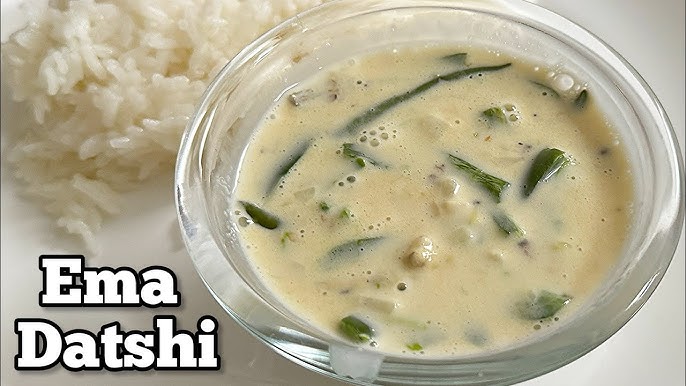
My adventure began with a warm welcome dinner hosted by Tenzin, my local guide. He was kind, knowledgeable, and eager to share his culture. As the meal was served, a vibrant red dish was placed before me: ema datshi, the national dish, a fiery stew of chili peppers and cheese. Known for my love of food but not necessarily for my tolerance of heat, I politely declined, explaining that I wasn't feeling particularly adventurous with spicy food that evening. I was met with a subtle, almost imperceptible shift in Tenzin's demeanor. The warmth in his eyes seemed to dim, replaced by a polite, reserved expression. I felt a pang of discomfort; I hadn't realized that refusing ema datshi could be considered mildly offensive. This marked the beginning of my realization that understanding a culture goes far beyond just tasting its food.
Discovering Sustainable Agriculture in Bhutan
The next day, I was fortunate enough to visit a local farm nestled in the valley. Lush green fields stretched out before me, showcasing the heart of Bhutanese agricultural practices. I met Karma, a farmer whose wisdom and dedication to sustainable methods were immediately apparent.
"We believe in working with the land, not against it," Karma explained, his voice gentle but firm. "Our agriculture is deeply rooted in Buddhist philosophy, minimizing harm to all living beings."
We discussed the importance of organic farming, responsible tourism, and the delicate balance between preserving traditions and adapting to modern challenges. Bhutan has made significant strides towards becoming a fully organic nation, and Karma's farm was a testament to that commitment. He showed me the meticulous process of cultivating Bhutanese red rice, a staple grain known for its nutty flavor and health benefits. I tasted it fresh from the field, and the subtly sweet, earthy notes were a revelation. It was a far cry from the processed rice I often found back home. Karma’s dedication highlighted the core values of sustainable travel Bhutan, offering visitors the chance to appreciate the land while having minimal impact.
Experiencing the Paro Tsechu Festival: A Cultural Immersion
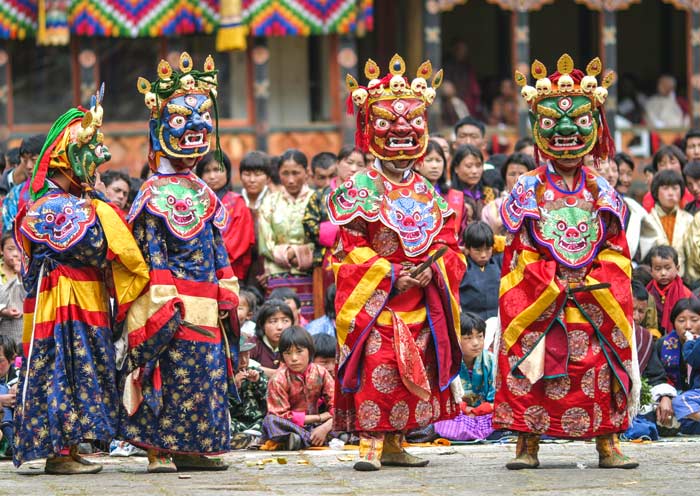
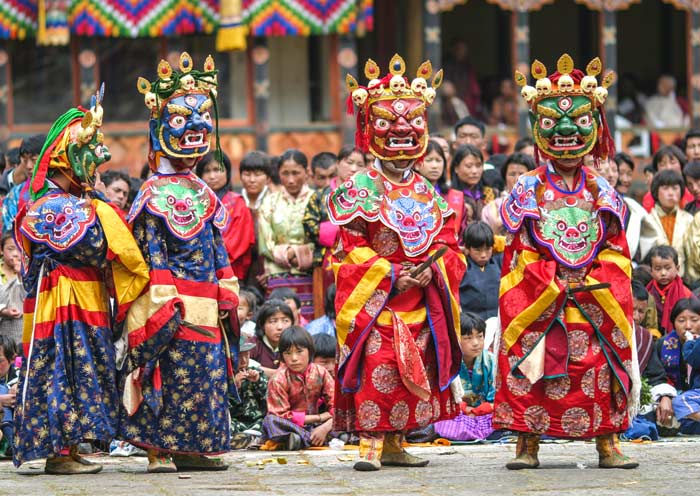
My trip coincided with the Paro Tsechu, a vibrant and sacred festival that offered a window into Bhutanese culture and spirituality. The atmosphere was electric, filled with the energy of thousands of people adorned in their finest traditional clothing. The men wore ghos, knee-length robes tied with a belt, and the women wore kiras, ankle-length dresses made of intricately woven fabrics. The colours were dazzling – vibrant reds, blues, yellows, and greens – creating a visual feast.
The highlight of the festival was undoubtedly the cham dances, masked dances performed by monks dressed in elaborate costumes. I was particularly captivated by the Guru Tshengye dance (Dance of the Eight Manifestations of Guru Rinpoche). Each dancer represented a different manifestation of Guru Rinpoche, the revered Buddhist master who brought Buddhism to Bhutan. The costumes were incredible works of art: intricately painted masks, elaborate silk robes adorned with jewels, and symbolic headdresses. Each movement, each gesture, held deep spiritual meaning. The dance tells the story of Guru Rinpoche and his triumph over obstacles, ultimately bringing enlightenment to all beings.
Then came the unfurling of the thongdrel, a giant embroidered thangka of Guru Rinpoche. As the massive tapestry was slowly revealed, a palpable sense of reverence and awe swept through the crowd. The sheer size and beauty of the thongdrel, combined with the spiritual significance of Guru Rinpoche, created a powerful and unforgettable experience. The whole event powerfully showed the importance of Bhutanese cuisine traditions, as festival-goers shared food and drink, reaffirming community bonds.
The Trek to Tiger's Nest: A Clumsy Pilgrimage
No trip to Bhutan is complete without a hike to the Taktsang Monastery, also known as the Tiger's Nest. Perched precariously on a cliff face, it is an architectural marvel and a symbol of Bhutanese spirituality. The hike was challenging, to say the least. The ascent was steep, and the air was thin. Prayer flags fluttered in the wind, adding to the mystical atmosphere, but also serving as a reminder of the arduous journey ahead.
True to form, I had my clumsy moments. I tripped on rocks, nearly lost my balance on several occasions, and generally felt like a less-than-graceful mountain goat. But the breathtaking views kept me going. The panoramic vistas of the Paro Valley were simply stunning, and the determination to reach the top spurred me onward.
Finally, after what felt like an eternity, I reached the monastery. The sight of the Taktsang Monastery clinging to the cliff face was truly awe-inspiring. Inside, the atmosphere was serene and peaceful. The intricate murals depicting Buddhist deities and legends were breathtaking. I learned about the local legend of Guru Rinpoche flying to the site on the back of a tigress, further adding to the mystique of the place.
Beyond Ema Datshi: Exploring Bhutanese Flavors
My culinary exploration extended far beyond ema datshi. I discovered the delicious simplicity of momos, steamed dumplings filled with cheese and vegetables. The Bhutanese red rice, with its nutty flavour, became a staple in my diet during my stay. One evening, Tenzin invited me to dinner with his family. It was a humble gathering, filled with warmth and laughter. This time, I bravely tried ema datshi again. And surprisingly, I didn't hate it! In fact, I found myself appreciating its complex flavours – the sharpness of the cheese, the fiery heat of the chilies, and the underlying earthiness of the local spices. It was a far cry from my initial aversion. I understood that the dish wasn't just about the spice; it was about the culture, the tradition, and the connection to the land. Seeing my genuine effort, Tenzin subtly smiled and nodded appreciatively.
More Bhutanese Culinary Delights:
- Phaksha Paa: Pork cooked with red chilies, radishes, and spices.
- Jasha Maroo: A spicy chicken stew with tomatoes, ginger, and garlic.
- Suja: Butter tea, a staple beverage enjoyed throughout the day.
- Ara: A traditional alcoholic beverage made from fermented grains.
The Unique Flora and Fauna of Bhutan
Bhutan's natural beauty is as captivating as its culture. The high-altitude flora and fauna are unique and diverse. I was particularly enchanted by the blue poppy (Meconopsis grandis), a delicate flower with vibrant blue petals. It's considered the national flower of Bhutan and is a symbol of hope and beauty. I also had the chance to see the takin, Bhutan's national animal, a unique creature that resembles a cross between a goat and a cow. These animals are protected, reflecting Bhutan's commitment to conservation. The government heavily promotes Bhutan responsible tourism, encouraging visitors to respect and protect the country's natural resources.
A Foodie's Accidental Enlightenment
My journey to Bhutan was more than just a culinary adventure; it was a journey of self-discovery. I learned the importance of cultural sensitivity, the connection between food and identity, and the profound impact of sustainable practices. It's not just about the food itself but about understanding the cultural context and appreciating the traditions behind it. I went to Bhutan to experience new tastes, but I left with a deeper understanding of the world and my place in it.
If you're looking for a travel experience that nourishes both your body and your soul, I urge you to visit Bhutan. But remember to travel responsibly and respectfully. Engage with the local communities, embrace their traditions, and most importantly, be open to new experiences, even if they're a little spicy. Consider a Bhutanese food tour with local guides for a more immersive culinary experience. If you are committed to ethical eating Bhutan, ensure your trip contributes positively to the local communities and environment. You won't regret it.
Ready to embark on your own Bhutanese adventure? Explore our tours and plan your trip today!
TikTok Video Script:
TITLE: Bhutan's Festival Frenzy! 🤯 (You won't believe what happens!) #bhutan #tsechu #travel
MANDATORY FRAMEWORK - HOOK + SCENE + TWIST:
- HOOK (0-3 seconds): Rapid-fire, super-saturated close-up shots of spinning prayer wheels, the faces of monks in crimson robes, and the vibrant fabrics of the festival attendees. Sound: Upbeat traditional Bhutanese music with a driving drum beat and high-pitched horn. Cut abruptly to the first masked dancer.
- SCENE (3-8 seconds): A slow-motion orbit shot around a Peling Ging dancer (wearing a black hat and carrying a drum) mid-performance. Cinematic 4K, shot on RED camera with a wide aperture, creating a shallow depth of field, isolating the dancer against the blurred backdrop of the crowd. Dramatic, golden hour lighting. Focus on the intricate details of the mask and costume.
- TWIST (8-12 seconds): Suddenly, the camera zooms rapidly in on the face of the dancer. He freezes mid-step and winks directly at the camera before continuing the dance with renewed energy and speed. The wink is totally unexpected, breaking the fourth wall and injecting humor. Sound: Music abruptly cuts out, replaced by a brief, comedic "boing" sound effect just as he winks, then the music resumes at double speed.
Final screen: Text overlay: “Bhutan: More than just mountains. #bhutan #tsechu #travel” along with vistalocation.com logo.