Bhutan: Beyond the Brochure – Finding Happiness...
Bhutan. The name conjures images of snow-capped peaks, ancient monasteries, and a society seemingly untouched by the relentless pursuit of material wealth. I’d seen the glossy brochures, the stock photos of smiling monks, and read about Bhutan's commitment to Gross National Happiness (GNH) alternatives to GDP. But could a place truly live up to such lofty ideals? On a recent trip to this Himalayan kingdom, I set out to discover what lay beyond the picture-perfect postcard. What I found was a land where the sound of prayer flags is a constant reminder of something greater, where yak cheese is a delicacy and a livelihood, and where happiness isn't just a metric, it's a way of life; and where my high-altitude acclimatization was a journey in itself. This is my sensory travel experience of Bhutan.
The Sound of Prayer Flags and the Dance of Purification
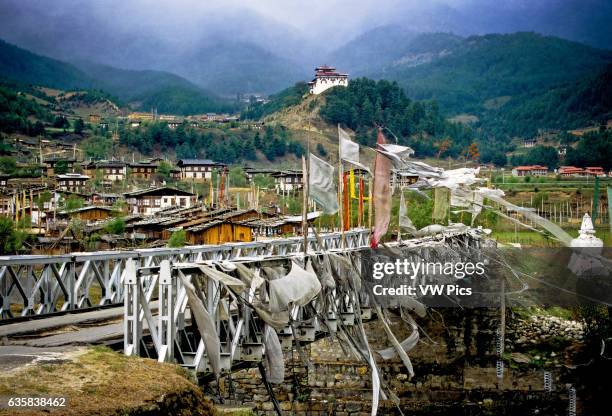
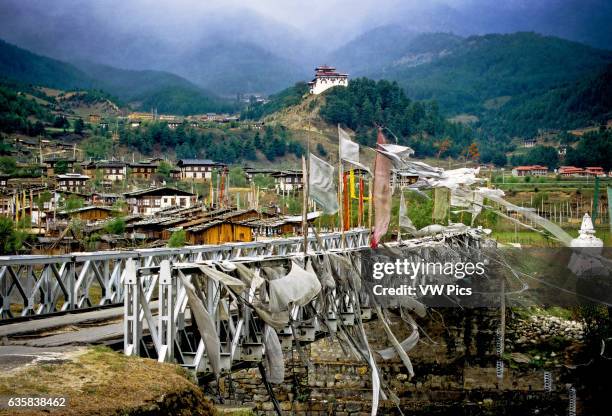
Landing in Paro, the first thing that struck me wasn't the stunning view of the Himalayas (although that was breathtaking too!), but the sound. It was a constant, intense flapping – the prayer flags, strung across every conceivable space, dancing in the wind, sending their prayers heavenward. The soundscape of Bhutan travel is unique and powerful. A symphony of nature and faith, the ever-present flapping of prayer flags creates a palpable spiritual atmosphere. It's a sound that stays with you long after you leave.
Later, I was fortunate enough to witness the Paro Tshechu, a vibrant religious festival. While the entire event was captivating, it was the Black Hat Dancers (Sha Nga Cham) that left the deepest impression. Their swirling movements, the rhythmic chanting, and the masked faces, initially intimidating, felt strangely purifying. It was more than just a performance; it was a ritual. I learned that the dance is believed to ward off evil spirits and cleanse the festival grounds, ensuring good fortune for all.
Taktsang Monastery (Tiger's Nest) and Butter Tea Revelation
No trip to Bhutan is complete without a hike to the iconic Tiger's Nest Monastery (Taktsang). The climb is challenging, especially with Bhutan travel high altitude sickness tips in mind, but the rewards are immeasurable. About halfway up, there's a tea house, a welcome respite for weary travelers.
It was here that I had my first taste of suja (butter tea). The salty, almost cheesy flavor was unexpected and, initially, not entirely to my liking. But as I sipped it, gazing out at the panoramic view of the Paro Valley with the magnificent monastery perched impossibly on a cliff, it began to grow on me. The tea warmed me from the inside out. The monastery appears impossibly perched on the cliff. It was one of my favorite moments of my Bhutan sensory travel experience.
I struck up a conversation with a monk who told me about the monastery's history, including the legend of Guru Rinpoche, who is said to have flown from Tibet on the back of a tigress to meditate in the cave where the monastery now stands. The Guru Rinpoche's journey from Tibet on a tigress makes this monastery so legendary.
High-Altitude Trekking Preparation:
- Consult your doctor: Discuss your travel plans and any potential health concerns.
- Acclimatize gradually: Spend a few days at a lower altitude before trekking.
- Stay hydrated: Drink plenty of water.
- Avoid alcohol and smoking: These can worsen altitude sickness.
- Listen to your body: Rest when needed.
Yak Cheese Encounters at the Weekend Market
The weekend market in Thimphu is a sensory feast, a vibrant display of Bhutanese culture and commerce. I was particularly drawn to the yak cheese stalls, a testament to authentic Bhutanese regional cuisine. The array of cheeses was astounding. There was hard, smoked yak cheese with a sharp, pungent taste, and softer, almost creamy chhurpi.

The vendor, a wizened farmer with kind eyes, patiently explained the different varieties and their origins. He spoke with passion about yak husbandry practices in the high mountains, describing the relationship between the yak and his family as symbiotic. The animals, he said, provided them with not just sustenance but also joy. This was not merely commerce; it was a connection to the land and its creatures.
Archery and the Art of Letting Go
Visiting the Folk Heritage Museum in Thimphu offered a glimpse into traditional Bhutanese life. The archery demonstration was particularly engaging. Bhutanese archery is a unique sport in that it doesn't just focus on accuracy, it focuses on the performance and community support as well.
Despite my complete lack of experience, I was encouraged to try my hand at it. The instructor, with incredible patience, guided me through the basics. Drawing the bow required surprising strength, and my first few attempts were, to put it mildly, pathetic. But the crowd was incredibly supportive, cheering and singing after each shot, regardless of its accuracy. It was a reminder that participation and community spirit are often more important than achieving perfection.
Ema Datshi and the Earthy Taste of Shamu
Ema Datshi, the national dish of Bhutan, is a staple. But instead of just tasting the standard version, I was fortunate enough to try a regional variation made with shamu mushrooms gathered from the forest. This offered me a taste of authentic Bhutanese regional cuisine. The earthy aroma of the mushrooms elevated the dish to a new level, adding a subtle complexity to the familiar cheesy spice. Where to find shamu mushroom ema datshi in Bhutan is a question I hope many travelers seek to answer.
Bhutan Regional Cuisines Itinerary
| Region | Specialty | Key Ingredients | Experience |
|---|---|---|---|
| Paro | Ema Datshi with Shamu | Local shamu mushrooms, cheese, chilies | Earthy flavor, forest-fresh aroma |
| Thimphu | Momos | Pork, cabbage, ginger, garlic | Handmade dumplings with flavorful fillings |
| Punakha | Red Rice dishes | Bhutanese red rice | Symbol of prosperity, nutty flavor |
Momos and Family History
In Thimphu, I bought Momos from a street vendor, a smiling woman who was clearly proud of her craft. She shared her family's history of making Momos for generations, the specific fillings she used (pork and cabbage, expertly seasoned), and the steaming process she had perfected. It was more than just a transaction; it was a sharing of culture and tradition.
Red Rice: A Symbol of Prosperity
I learned that Bhutanese red rice is more than just a grain; it's a symbol of prosperity and good fortune, particularly during festivals. During one meal, I spoke with a farmer who explained that they prioritize environmental sustainability over maximizing yield, even if it means lower profits. This commitment to the land and future generations was a powerful illustration of their values.
The Sound of Contentment: Reflections on GNH
Beyond the visual splendor of the Paro Valley, with the religious symbolism of the eight auspicious symbols painted on the walls of the Rinpung Dzong – the lotus flower representing purity, the conch shell representing the spread of dharma, lay a deeper sensory experience: the sound of contentment. The distant chanting of monks echoing from the mountains, the rush of glacial water in the river below, the quiet murmur of conversations – these sounds painted a picture of a society at peace with itself.
One day, I witnessed a traffic jam in Thimphu. Instead of the honking horns and frustrated drivers I'm used to, I saw people calmly waiting their turn, chatting and laughing. It was a small thing, but it spoke volumes about the Bhutanese prioritization of GNH.
Understanding Gross National Happiness (GNH)
Gross National Happiness (GNH) is a philosophy that guides the government of Bhutan. Rather than prioritizing economic growth alone, GNH emphasizes four pillars:
- Sustainable and equitable socio-economic development
- Environmental conservation
- Preservation and promotion of culture
- Good governance
A Shift in Perspective
My experiences in Bhutan shifted my perspective on happiness and success. I learned the importance of community, contentment, and connection to nature, rather than material wealth. The focus on spiritual well-being over GDP is what makes Bhutan so magical. It's not just a place to visit; it's a place to learn, to reflect, and to rediscover what truly matters. To this day, I often find myself recalling the sound of prayer flags, a constant reminder of the lessons I learned in the Land of the Thunder Dragon.
Are there any ethical considerations for visiting Bhutanese temples? It is a key consideration of being a mindful traveler to be respective of the customs and cultures of the country you are travelling to.
Visit Vistalocation.com to start planning your own transformative journey to Bhutan.