Bhutan: A Scientist's Quest for Happiness in the...
As a recently retired environmental scientist, Dr. Aris Thorne, I’ve spent my career analyzing ecosystems, studying the intricate balance between human activity and environmental sustainability. My journey has taken me to some of the most fragile and breathtaking corners of the world. Bhutan, a tiny kingdom nestled in the Himalayas, has always held a particular fascination for me. Its unique Gross National Happiness (GNH) philosophy, a holistic approach prioritizing well-being over purely economic measures, piqued my interest. I wanted to see firsthand how this philosophy translated into sustainable practices, particularly within the burgeoning tourism sector. I embarked on a journey to Bhutan, focusing on the Paro Valley and Thimphu, to understand how GNH shapes the nation's approach to welcoming visitors while preserving its rich cultural heritage and pristine environment. I hope to share what I learned about Bhutan sustainable tourism.
Day 1: Arrival in Paro and Acclimatization
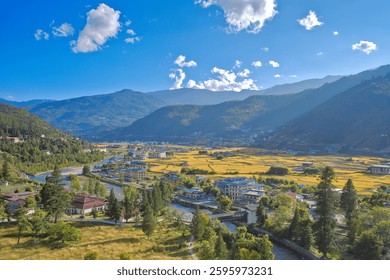
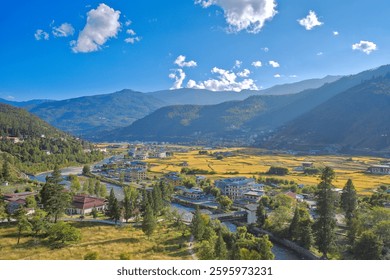
The descent into Paro International Airport is an experience in itself. The plane navigates through a narrow corridor carved out by towering Himalayan peaks, offering breathtaking views of the valleys below. Landing felt like touching down in a hidden paradise. The crisp mountain air, refreshingly devoid of pollution, filled my lungs as I stepped onto the tarmac. The Paro Valley unfolded before me – a tapestry of terraced rice paddies, traditional Bhutanese houses with their distinctive architecture, and the ever-present, majestic mountains. Acclimatization to the altitude is crucial here. At 2,200 meters (7,200 feet) above sea level, the air is thinner, and it's essential to take it easy on the first day. I spent the afternoon exploring the town of Paro at a leisurely pace, sipping butter tea, and preparing for the adventures to come.
Day 2-4: Trek to Tiger's Nest Monastery (Paro Taktsang)
The highlight of my trip, and perhaps of any trip to Bhutan, is the trek to Tiger's Nest Monastery, also known as Paro Taktsang. This iconic monastery, perched precariously on a cliffside, is a symbol of Bhutan's spiritual heritage and a testament to human perseverance. The trek is challenging, a steep climb through lush pine forests, but the breathtaking views at each viewpoint make it more than worthwhile. The trail winds its way upwards, offering glimpses of the monastery through the trees.
Reaching Tiger's Nest is a truly awe-inspiring experience. The monastery itself is a complex of temples, prayer halls, and living quarters, all clinging to the cliff face. The spiritual significance of the site is palpable, and I found myself reflecting on the Bhutanese values of compassion, mindfulness, and harmony with nature. I tried to reduce my Bhutan trekking sustainability impact by staying on the trail at all times.
What impressed me most was the eco-consciousness evident throughout the trail. Designated rest areas were strategically placed, and waste disposal systems were meticulously maintained. It's clear that the Bhutanese are committed to preserving the natural beauty of their country, even amidst the increasing influx of tourists.
Eco-Friendly Trail Practices at Tiger's Nest
The commitment to sustainability on the Tiger's Nest trail showcases Bhutan's dedication to responsible tourism. The presence of well-maintained waste disposal systems helps minimize the impact of trekkers. Regular upkeep ensures that the trail remains in good condition, preventing erosion and protecting the surrounding environment. These practices demonstrate the country's efforts to balance tourism with environmental conservation, exemplifying Bhutan environment conservation travel.
Day 5: Exploring Paro Valley and Finding Community-Based Tourism
Beyond the iconic monastery, the Paro Valley offers a glimpse into traditional Bhutanese life. I spent a day visiting local villages, interacting with farmers, and observing their daily routines. The traditional architecture of the houses is remarkable – intricately carved wooden structures adorned with colorful paintings. The agricultural practices in the terraced rice paddies are equally fascinating, showcasing a deep understanding of the land and its resources.
It's a delicate balancing act for Bhutan – preserving these traditional ways of life while embracing modern development. The key, it seems, lies in prioritizing GNH over purely economic gains. The Bhutanese are mindful of the impact of modernization on their culture and environment, and they strive to find a path that allows them to progress without sacrificing their values. To experience this firsthand, I chose a community-based tourism Bhutan option, which allowed me to stay in a local guesthouse and support the community directly.
Day 6: Journey to Thimphu
The drive from Paro to Thimphu, the capital city, is a scenic journey through the heart of Bhutan. The landscape changes from the wide-open Paro Valley to the more rugged terrain of the interior. I was struck by the well-maintained roads and the absence of traffic congestion, a stark contrast to many other developing countries.
Even during infrastructure development, efforts are made to preserve the natural beauty of the region. Trees are replanted, and construction is carefully planned to minimize environmental impact. This reflects a conscious decision to prioritize environmental sustainability even when pursuing economic progress. This is another example of Gross National Happiness tourism impact.
Day 7: Thimphu - Culture and Archery
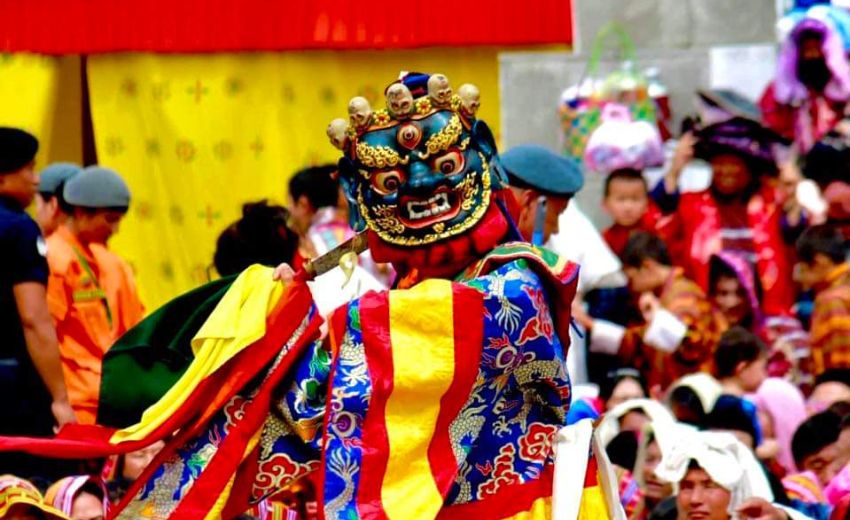
Thimphu offers a blend of traditional Bhutanese culture and modern amenities. One of the highlights of my time in Thimphu was visiting the Changlimithang Archery Ground and witnessing a traditional archery match. Archery is more than just a sport in Bhutan; it's a cultural institution, deeply intertwined with the country's history and identity.
The atmosphere of the match was electric, with archers in traditional attire launching arrows at distant targets. The celebratory dances and songs that followed each successful shot added to the festive mood. It was fascinating to see how even sporting events are imbued with Bhutanese culture and values.
Day 8: Punakha Dzong - Palace of Great Happiness
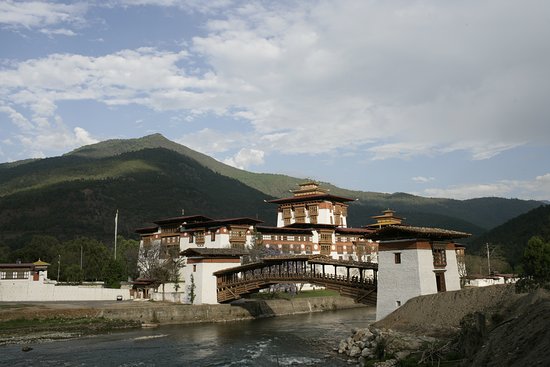
A journey to Punakha is a must for any visitor to Bhutan. Punakha was the capital of Bhutan until 1955, and its Dzong (fortress-monastery) is one of the most impressive in the country. Punakha Dzong, also known as the Palace of Great Happiness, is strategically located at the confluence of two rivers, offering stunning views and a sense of serenity.
The architecture of the Dzong is breathtaking, with intricate artwork and imposing structures that reflect Bhutan's rich history and cultural heritage. Visiting Punakha Dzong provided a deeper understanding of the connection between Bhutan's past and its present-day values. It truly represents Bhutan sustainable tourism.
Day 9: Food and Reflection
No trip is complete without experiencing the local cuisine. Bhutanese food is unique and flavorful, with a heavy emphasis on chilies. Ema Datshi, a chili cheese stew, is the national dish and a must-try for any visitor. I also sampled Momos (dumplings) and Red Rice, staples of the Bhutanese diet. I even tried Ara, the local alcoholic beverage, which certainly added to the experience.
The use of local ingredients and traditional cooking methods contributes to sustainable food practices. Bhutanese cuisine is a reflection of the country's agricultural heritage and its commitment to self-sufficiency. Trying the food gave me further insight into Bhutanese culture and sustainability.
Conclusion: A Hopeful Future
My journey to Bhutan was an eye-opening experience. I witnessed firsthand how the country's GNH philosophy influences its approach to sustainable tourism. Bhutan is not without its challenges. It’s a developing nation navigating the complexities of globalization. Yet, its commitment to environmental and cultural preservation is truly inspiring.
Bhutan's approach provides a viable model for other countries seeking to balance economic development with environmental sustainability and cultural preservation. While the GNH philosophy may not be directly transferable to other contexts, its underlying principles of holistic well-being and responsible stewardship offer valuable lessons for the world. I left Bhutan with a sense of hope and optimism, believing that a more sustainable future is possible if we prioritize happiness and well-being over purely economic measures. Perhaps other countries can learn to foster environmental practices just like those in Thimphu environmental practices.
