Beyond the Slopes: Discover Hokkaido's Soul with...
Hokkaido, Japan's northern frontier, is famed for its world-class powder skiing and snowboarding. But beyond the bustling slopes, a different kind of winter magic awaits. For thrill-seekers craving experiences that transcend the adrenaline rush, Hokkaido offers a unique blend of cultural immersion, skill-mastering, and profound connection with nature. Forget the lift lines and discover the soul of Hokkaido with these unforgettable winter thrills, where the challenge lies not just in physical exertion, but in learning to adapt, persevere, and appreciate the subtle beauty of this winter wonderland. Join us as we explore activities that celebrate Hokkaido's unique spirit and landscapes, offering a winter experience unlike any other.
Conquer Hokkaido's Powder: A Kanjiki Journey to a Secret Onsen
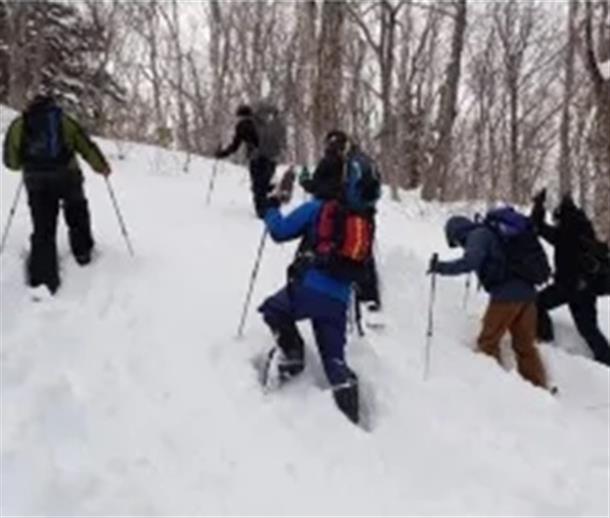
Step back in time and experience Hokkaido's winter landscape the way its early inhabitants did: with Kanjiki. These traditional Japanese snowshoes, crafted from wood and rope, are your key to unlocking the remote, snow-laden forests near Tokachi-dake. Forget groomed trails; this is about forging your own path through pristine powder.
The thrill of Kanjiki snowshoeing lies in mastering the technique. Unlike modern snowshoes, Kanjiki require a specific gait – a slightly wider stance and a deliberate lift to avoid tripping. Traversing deep powder demands endurance and balance, testing your physical limits with every step. But the reward is immeasurable.
Imagine the crunch of snow underfoot, the scent of pine filling the crisp air, and the visual feast of an untouched landscape stretching before you. After hours of invigorating trekking, the ultimate prize awaits: a secluded, natural volcanic onsen (hot spring) nestled serenely in the snow.
Soaking in the steaming waters, surrounded by a blanket of white, is an experience that transcends mere relaxation. It’s a moment of profound connection with nature, a chance to reflect on the journey and appreciate the raw beauty of Hokkaido's winter.
Sustainability on the Trail
Kanjiki snowshoeing is a sustainable way to explore Hokkaido's wilderness. Compared to motorized activities, it has a minimal impact on the environment. Guided tours enforce a strict 'leave no trace' policy, ensuring that all waste is packed out and disturbance to wildlife is minimized. By choosing Kanjiki, you’re contributing to the preservation of this pristine landscape.
Gear Up: Skills and Equipment
- Kanjiki snowshoes: Provided by your guide.
- Waterproof hiking boots: Essential for keeping your feet dry and warm.
- Layered clothing: Allows you to adjust to changing temperatures and exertion levels.
- Hiking poles: Provide stability and help with balance.
- Basic Japanese phrases: Useful for navigation and communication. Knowing simple phrases like "Konnichiwa" (hello) and "Arigato" (thank you) will enrich your experience.
Face the Challenge
- Deep snow: Be prepared for challenging terrain that requires extra effort.
- Steep inclines: Some trails involve uphill climbs that test your endurance.
- Potential for whiteout conditions: Always check the weather forecast and be prepared for sudden changes.
- Navigating using landmarks: Learn to identify key landmarks to stay on track.
A Cultural Embrace
Onsen are an integral part of Japanese culture – a place for relaxation, healing, and connection with nature. Practicing proper onsen etiquette, such as washing before entering the water and avoiding excessive noise, shows respect for this tradition.
Capturing the Moment
Capture the vastness of the snow-covered landscape with wide-angle shots. Use close-ups of the Kanjiki to highlight their intricate design. Contrast the cold snow with the inviting steam of the onsen. Experiment with a slow shutter speed (e.g., 1/30th of a second) to capture the motion of falling snow. Camera Settings: ISO 100-400 (depending on light), aperture f/8-f/11 (for depth of field).
"Kanjiki allows you to become part of the landscape, moving with the rhythm of the snow," says Kenji Tanaka, a local guide from Furano.
Budgeting Your Adventure
Guided tours from Furano average ¥15,000 (approximately $100 USD) per person, including Kanjiki rental and onsen access. Book Your Kanjiki Snowshoeing Tour Here!
Brave the Chill: Mastering Ice Fishing and Survival on Frozen Lake Shikaribetsu
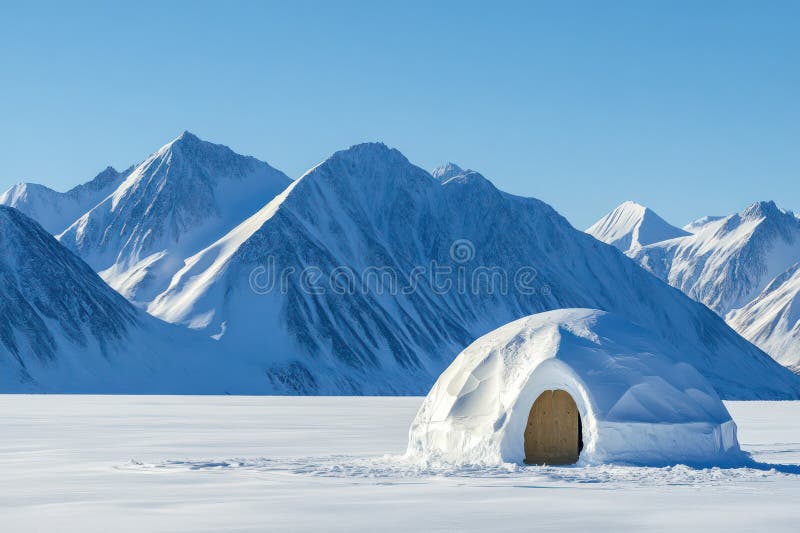
Venture into the heart of Daisetsu-zan National Park and discover Lake Shikaribetsu, a remote gem transformed into a frozen wonderland each winter. But this is more than just a scenic destination; it's an opportunity to test your mettle and learn essential survival skills through the art of ice fishing.
Forget passive sightseeing; this is an active challenge that demands patience, resilience, and a willingness to embrace the elements. You'll learn to drill through the thick ice – a physically demanding task that requires strength and determination. The rhythmic churning of the ice auger, the satisfying crack as it breaks through, and the frigid spray that erupts from the depths – all contribute to a visceral experience.
Next, you'll set up your fishing lines or nets, learning the nuances of baiting and rigging for optimal success. And for those seeking the ultimate challenge, you can even try your hand at building a rudimentary snow shelter for protection from the biting wind. The "thrill" isn't just about the possibility of catching fish; it's about the patience required, the anticipation of a nibble, and the profound satisfaction of creating your own shelter in this unforgiving environment.
Sustainable Practices on the Ice
Respect for the fragile ecosystem of Lake Shikaribetsu is paramount. Responsible fishing practices, such as catch-and-release (where appropriate), are encouraged. Minimizing waste on the frozen lake is essential – pack out everything you pack in.
Essential Skills and Equipment
- Ice auger: Provided by guides.
- Fishing lines/nets: Supplied by your tour operator.
- Warm winter clothing: Layers are crucial for regulating your body temperature.
- Insulated boots: Keep your feet warm and dry on the ice.
- Gloves: Essential for protecting your hands from the cold.
- Hat: Prevents heat loss from your head.
- Small shovel: For snow shelter construction.
Confronting the Elements
- Extreme cold: Dress in multiple layers and protect exposed skin.
- Strong winds: Be prepared for gusts that can make it feel even colder.
- Physical labor of drilling: Pace yourself and take breaks as needed.
- Unpredictable weather: Monitor the forecast and be prepared for sudden changes.
- Possibility of not catching anything: Embrace the experience and focus on the skills you're learning.
Echoes of the Past
Ice fishing has a long and important history in Hokkaido, particularly for the Ainu, the indigenous people of the region. It was a crucial survival skill, providing sustenance during the harsh winter months. While many Ainu continue fishing traditions, some also offer immersive cultural tours Learn about Ainu winter traditions here.
Capturing the Icy Beauty
Capture the vastness of the frozen lake and the intricate patterns in the ice. Use close-ups to document the ice fishing process and the construction of the snow shelter. A polarizing filter can help reduce glare on the ice, revealing its subtle textures. Try aperture priority mode (Av) to adjust depth of field and exposure compensation for the bright snow.
"Ice fishing teaches you patience and resilience. It's a connection to the ancient ways of surviving in this harsh environment," says Hiroki Sato, a local fisherman on Lake Shikaribetsu.
Planning Your Trip
Ice fishing tours on Lake Shikaribetsu range from ¥10,000-¥20,000 (approximately $70-$140 USD) per person, depending on the duration and included equipment. Book Your Lake Shikaribetsu Ice Fishing Adventure Today!
Dance with the Tsuru: Capturing the Beauty of Hokkaido's Red-Crowned Cranes
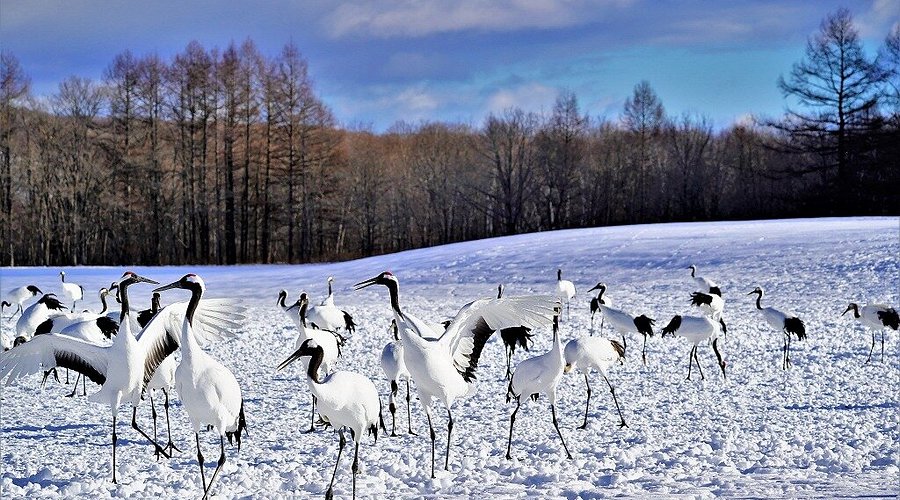
Journey to the Tsurui-Ito Tancho Sanctuary, a haven for the majestic Red-Crowned Cranes (Tsuru), a symbol of good fortune and longevity in Japanese culture. This isn't just birdwatching; it's an artistic pursuit that demands patience, skill, and respect for these magnificent creatures.
The challenge lies in capturing the perfect shot of these graceful birds in their natural winter habitat. Arriving before dawn is essential, as the cranes are most active during the early morning hours. Enduring the freezing temperatures requires dedication and the right gear.
Witnessing the cranes' elaborate mating dances, their elegant movements punctuated by their haunting calls, is a sensory experience unlike any other. The early morning mist adds an ethereal quality to the scene, creating a truly magical atmosphere. This activity is about more than just photography; it's a meditation on beauty, resilience, and the delicate balance of nature.
Conservation at its Core
The Tsurui-Ito Tancho Sanctuary plays a vital role in the conservation of the Red-Crowned Cranes. Respecting their habitat is paramount. Maintaining a safe distance and avoiding any disturbance is crucial to their well-being. Support the sanctuary's efforts by following their guidelines and donating to their conservation programs.
Essential Gear and Skills
- Telephoto lens: A minimum of 300mm is recommended for capturing detailed images of the cranes.
- Tripod: Essential for stability in low light conditions.
- Warm clothing: Thermal underwear, down jacket, gloves, and hat are essential for staying warm.
- Camera with good low-light performance: Crucial for capturing sharp images in the early morning.
- Extra batteries: Cold temperatures drain batteries quickly.
Overcoming the Obstacles
- Extreme cold: Dress in multiple layers and protect exposed skin.
- Low light conditions: Use a tripod and a fast lens to maximize light gathering.
- Capturing sharp images of moving birds: Use a fast shutter speed (at least 1/500th of a second).
- Dealing with fog/mist: Embrace the atmospheric conditions and use them to your advantage.
- Respecting the birds' boundaries: Maintain a safe distance and avoid any disturbance.
Cultural Significance
The Red-Crowned Crane, or Tsuru, holds a special place in Japanese art and folklore. It is a symbol of good fortune, longevity, and marital bliss. Its image is often depicted in paintings, origami, and other art forms.
Capturing the Essence
Use a fast shutter speed to freeze the action of the cranes in flight or during their mating dances. Experiment with different compositions to capture the birds in their environment. Aperture f/4-f/5.6 for shallow depth of field (to isolate the subject), ISO adjusted to maintain a fast shutter speed.
"To photograph the Tsuru is to capture a moment of grace and resilience. It's an honor to witness their beauty in this harsh landscape," says Akari Ito, a local photographer specializing in crane photography.
Trip Planning Essentials
Entrance to the Tsurui-Ito Tancho Sanctuary is ¥500 (approximately $3.50 USD). Guided photography tours are available from ¥10,000 (approximately $70 USD) per person. Book Your Red-Crowned Crane Photography Tour!
Respectfully experience Hokkaido's winter wonders
Hokkaido's winter offers a unique opportunity to connect with nature, master new skills, and experience the soul of Japan in a way that goes far beyond traditional slopes. Whether you're trekking through snowy forests on Kanjiki, testing your survival skills on a frozen lake, or capturing the elegance of Red-Crowned Cranes, these experiences offer a profound sense of accomplishment and a deeper appreciation for the beauty and resilience of this northern island. Remember to travel responsibly, respecting the environment and the local culture, ensuring that these winter wonders remain pristine for generations to come.
Ready to embark on your unforgettable Hokkaido winter adventure? Visit Vistalocation.com today and discover a world of unique experiences that will challenge, inspire, and transform you. Respectfully experience Hokkaido's winter wonders! Book Your Hokkaido Winter Adventure Now!