Beyond the Postcard: Exploring Stunning Mountain...
Seeking luxury dark tourism mountain trips? Step beyond the typical travel brochure and discover a new way to experience some of the world's most breathtaking mountain landscapes. This article explores unforgettable journeys to Patagonia, Iceland, and Banff, weaving in elements of dark tourism – respectful explorations of historical sites with tragic pasts – to create truly meaningful travel experiences. From stargazing in Patagonian domes to hiking Iceland's volcanic trails and capturing Banff's golden hour, prepare for adventures that are both stunning and somber.
Stargazing Under Patagonian Skies (Glamping Edition)
Imagine waking up under a blanket of stars in the heart of Chilean Patagonia, near the iconic Torres del Paine National Park. This dream becomes reality with glamping in geodesic domes featuring transparent roofs. Several options are available, including EcoCamp Patagonia's Dome Suites [https://www.ecocamp.travel/], offering an immersive experience connecting you with nature like never before. The Patagonian night sky, far from city lights, reveals a spectacular display of constellations, planets, and the Milky Way in all its glory. It's an astrophotographer's paradise and a soul-stirring encounter with the universe.
However, the beauty of Patagonia is intertwined with a complex history. The lands now celebrated for their pristine wilderness were once home to indigenous peoples, including the Tehuelche, who faced displacement and hardship as European settlers arrived. Today, there are ongoing efforts toward reconciliation and cultural preservation. Many local communities actively work to revitalize indigenous languages, traditions, and land rights. When visiting Patagonia, take the opportunity to support these initiatives and learn about the rich cultural heritage that predates the region's modern tourism industry. Choose tours run by indigenous guides and seek out opportunities to learn from and contribute to their cultural preservation.
The ideal climate for stargazing is during the Patagonian summer (December to February), though conditions can be unpredictable year-round. Pack warm layers, including thermal underwear, fleece jackets, and a waterproof outer shell. Sturdy hiking boots are essential for exploring the surrounding trails. A high-quality camera with a wide-angle lens and a tripod are crucial for capturing the stunning night skies. Remember to bring a headlamp with a red light setting to preserve your night vision.
Iceland's Laugavegur Trail: Fire and Ice with a Somber Story
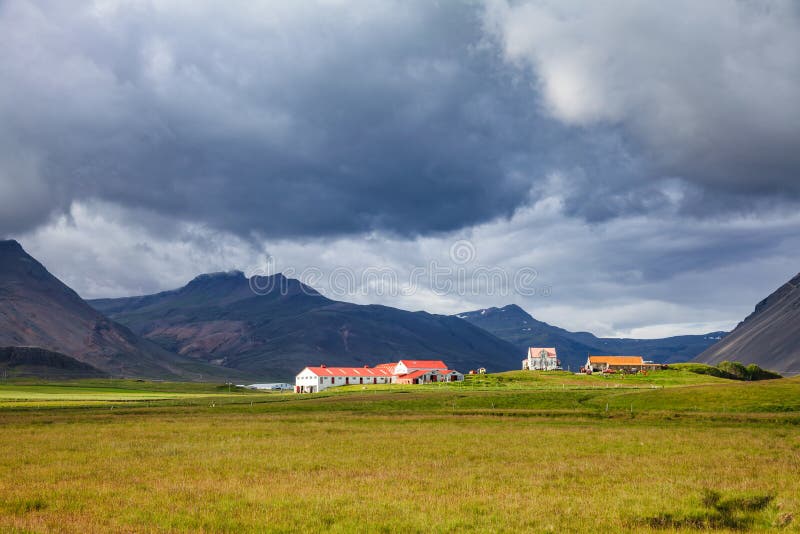
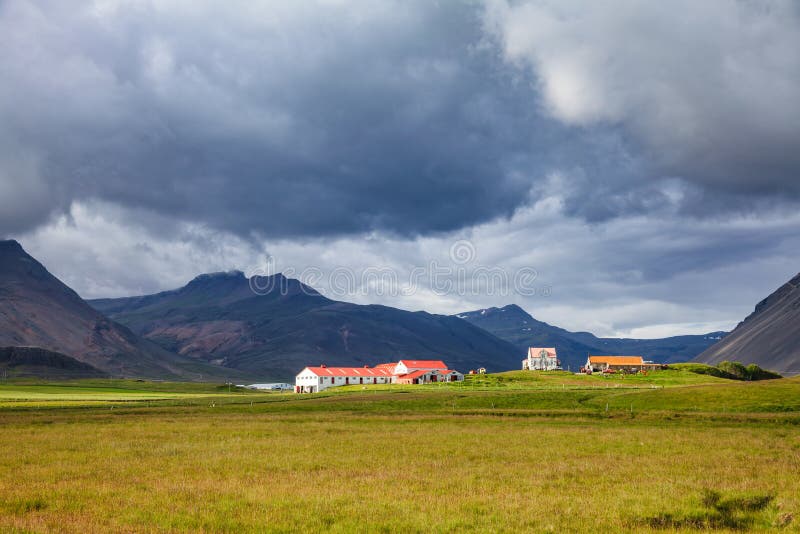
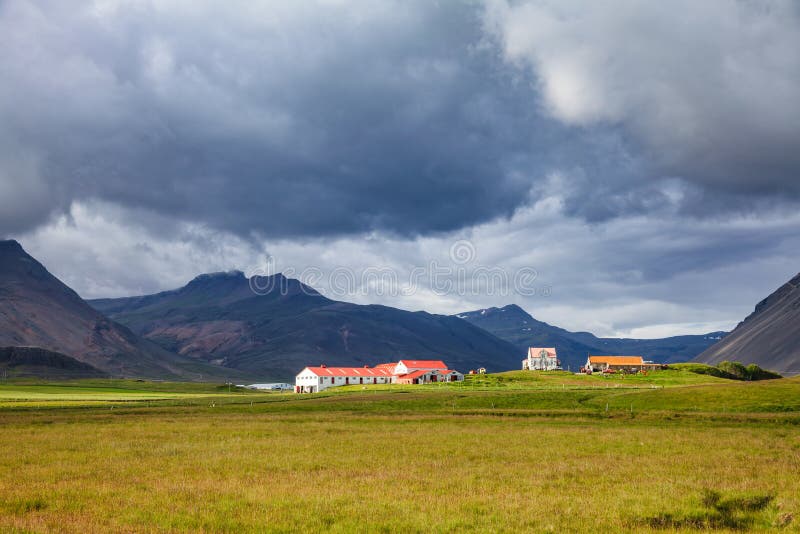
The Laugavegur Trail in Iceland is a legendary 55-kilometer hiking route that traverses some of the most dramatic and diverse landscapes on Earth. From colorful rhyolite mountains to black sand deserts, geothermal hot springs, and glacial valleys, this trail offers an unforgettable adventure through Iceland's volcanic heartland. Iceland Laugavegur Trail hardship dark tourism.
But beyond the breathtaking scenery lies a somber story of Iceland's harsh environment and the resilience of its people. The trail's isolation and the unpredictable weather conditions have posed significant challenges for centuries. Tales of early settlers and travelers facing starvation, exposure, and fatal accidents are woven into the fabric of Icelandic history.
Booking huts along the Laugavegur Trail in advance is absolutely essential, especially during peak season (June to August). These huts provide basic shelter and cooking facilities, but they fill up quickly. Necessary equipment includes waterproof hiking boots, trekking poles for stability on uneven terrain, a detailed map and compass for navigation, and plenty of layers of clothing to adapt to changing weather conditions. Be prepared for rain, wind, and even snow, even in summer. Always check the weather forecast before embarking on your hike and be aware of potential hazards such as river crossings and unpredictable glacial meltwater. Responsible dark tourism Iceland Laugavegur impact.
Banff's Golden Hour: Beauty and Remembrance
Banff National Park in Canada is renowned for its majestic mountains, turquoise lakes, and abundant wildlife. Viewpoints accessible by gondola, such as the Sulphur Mountain Gondola [https://www.banffjaspercollection.com/attractions/banff-gondola/], offer stunning panoramic views, especially during the "golden hour" – the hour after sunrise and the hour before sunset. This is when the light is soft, warm, and ideal for photography, creating a magical atmosphere that transforms the landscape.
However, Banff's beauty masks a poignant history. In the early 20th century, Banff was established as a sanatorium for tuberculosis patients, who sought healing in the fresh mountain air. Many of these patients came to Banff hoping for a cure, but sadly, many succumbed to the disease far from their homes and families. The remnants of these sanatoriums serve as a reminder of the lives and struggles of those who sought solace in the mountains.
For capturing Banff's golden hour, a wide-angle lens is essential for capturing the vast landscapes. A tripod will help you achieve sharp images in low light conditions. The best times for photography are early morning and late afternoon, when the light is at its most flattering. Best Patagonia glamping sites for learning local history. Remember to respect the environment by staying on marked trails, packing out all your trash, and avoiding disturbing wildlife.
Ethical Considerations for Dark Tourism in Mountain Regions
Documenting "dark tourism" locations requires a deep sense of responsibility and respect. The primary goal should be to honor the memory of those who suffered and to promote understanding, not to sensationalize tragedy. Always obtain permission before photographing or filming on private property or in sensitive areas. Avoid intrusive behavior and respect the privacy of individuals and communities affected by past events.
When taking photos and videos, focus on capturing the historical context and the human stories behind the tragedies. Avoid exploiting the suffering of others or creating images that are disrespectful or insensitive. Strive to tell stories that promote empathy, reflection, and remembrance.
Remember that you are a visitor in these places, and it is your responsibility to treat them with respect and sensitivity. Be mindful of the impact your presence has on the local communities and the environment. Support local businesses and organizations that are working to preserve the history and culture of these regions. By practicing ethical dark tourism, you can contribute to a more meaningful and responsible travel experience.
Ethical dark tourism mountain retreats emphasizes the importance of respect for the deceased, sensitivity to the local communities affected by tragedy, and avoiding sensationalism. Provide guidelines for taking photos and videos, including obtaining permission when necessary, avoiding intrusive behavior, and focusing on telling stories that promote understanding and remembrance rather than exploitation.
Exploring mountain regions with a dark tourism twist offers a powerful opportunity to connect with history, culture, and the human spirit. By embracing responsible travel practices and showing respect for the past, we can transform our journeys into meaningful experiences that promote understanding and remembrance. Are you ready to embark on a journey that goes beyond the postcard? Start planning your adventure today. Contact us to learn more about curated dark tourism mountain trips and itineraries.