Beyond the Myths: Discovering the Real Transylva...
My trip to Transylvania began with a healthy dose of skepticism. Like many, my initial exposure to the region was through the lens of vampire lore. Dracula, shadowy castles, and the eerie mystique surrounding the name "Transylvania" – it was all undeniably alluring. But as a history enthusiast and architecture buff, I sought something more authentic, something beyond the commercially exploited myth. I hoped to uncover the real heart of Transylvania, even if it meant debunking a few legends along the way. What I found was a region far richer and more captivating than any vampire tale could ever portray.
Sighisoara: A Medieval Jewel
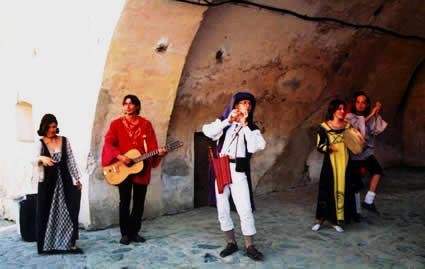
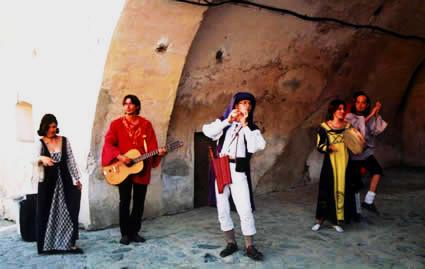
My Transylvanian journey began in Sighisoara, a UNESCO World Heritage site and one of the best places to photograph architecture in Transylvania. I arrived just in time for the annual medieval festival, a vibrant celebration of history and culture. The citadel buzzed with life. Artisans displayed their crafts – intricate wood carvings, hand-stitched garments, and gleaming metalwork. Historical reenactors, clad in armor and wielding swords, staged mock battles in the town square. It was a sensory feast, a vivid immersion into a bygone era. What is the best time to visit Transylvania for historical sites? Well, during the Sighisoara medieval festival, the answer is clear.
The town's gothic architecture is breathtaking. Steep-roofed houses painted in pastel hues line cobblestone streets that wind their way up to the citadel's highest point. The iconic Clock Tower, a symbol of Sighisoara, dominates the skyline. Of course, Sighisoara's most infamous claim to fame is being the birthplace of Vlad the Impaler, the historical figure who inspired the Dracula legend. While his presence is certainly felt here, it's just one thread in the rich tapestry of Sighisoara's past. I found myself captivated by the architecture styles in Transylvania, including the blend of gothic and Saxon influences so prevalent in Sighisoara.
Bran Castle: Separating Fact from Fiction
Next on my itinerary was Bran Castle, often dubbed "Dracula's Castle." Given that it was Halloween, the atmosphere was predictably… intense. Crowds of tourists, many in vampire costumes, thronged the castle grounds. Inside, the castle was a maze of narrow corridors, winding staircases, and modestly furnished rooms. The architecture of Bran Castle Romania, while undeniably impressive, lacked the imposing grandeur I had initially imagined.
The connection between Bran Castle and Dracula is tenuous at best. Vlad the Impaler likely passed through the area on occasion, but he never resided in the castle. The Dracula myth, popularized by Bram Stoker's novel, is largely a work of fiction. However, the local folklore surrounding Bran Castle and its connection to Dracula is undeniable, it holds a cultural significance, acting as a cultural touchstone that draws tourists from around the globe. Despite the historical inaccuracies, the castle's association with the Dracula legend is a significant part of its identity and tourism appeal. How do I get from Bucharest to Sighisoara? This question led me to discover many tour services to discover Transylvania, and I ultimately realized I needed a way to get to Bran Castle, as well.
Hiking the Carpathian Mountains: Nature's Majesty
Escaping the crowds, I ventured into the Carpathian Mountains, specifically the Bucegi Mountains. Here, I discovered a different kind of Transylvania – a land of dramatic mountain peaks, dense forests, and breathtaking vistas. I chose a hiking trails in the Carpathian Mountains near Brasov and it proved to be the perfect escape.
The trail wound its way through ancient forests, sunlight filtering through the canopy. As I ascended, the trees gave way to rocky slopes and panoramic views. The air was crisp and clean, filled with the scent of pine and earth. I even spotted a few chamois grazing on the high slopes – a rare and unforgettable sight. What are the best hiking trails in the Carpathian Mountains near Brasov? This is a question I now have several answers for, each trail offering unique rewards.
Bucovina's Painted Monasteries: A Spiritual Journey
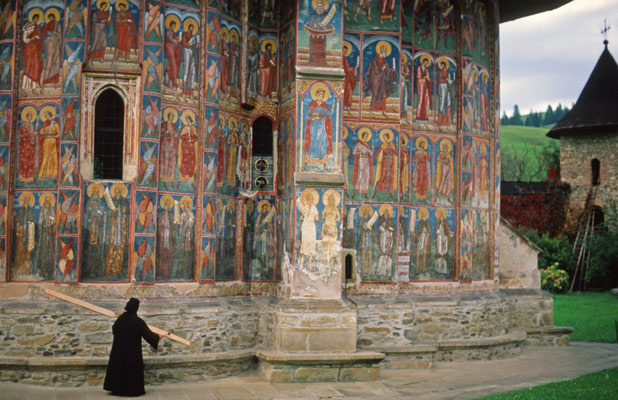
Leaving the mountains behind, I traveled north to Bucovina, home to the famous painted monasteries. These UNESCO World Heritage sites are renowned for their intricate frescoes, which adorn the exterior walls. I visited Moldovita Monastery, and was immediately struck by the vibrant colors and detailed scenes depicting biblical stories. Are there guided tours of the painted monasteries of Bucovina? Yes, and I highly recommend one to fully appreciate the historical and artistic significance of these treasures.
The paintings, executed in the 15th and 16th centuries, served as visual aids for the largely illiterate population. They illustrate scenes from the Old and New Testaments, as well as depictions of saints and historical figures. The style is a unique blend of Byzantine, Gothic, and Renaissance influences, reflecting the region's rich cultural heritage and the Romanian Orthodox Church.
Turda Salt Mine: An Underground Wonder
My final stop was the Turda Salt Mine, an experience unlike any other. This massive underground complex, dating back to Roman times, was once a vital source of salt. Today, it's been transformed into a unique tourist attraction. Turda Salt Mine accessibility for seniors is something to consider as this place is extremely large. What is the history of Turda Salt Mine? Its history stretches back centuries, providing salt for the region and now offering a captivating glimpse into the past.
Descending into the mine was like entering another world. The air was cool and salty, and the vast chambers were illuminated by artificial light, creating an otherworldly atmosphere. The mine features underground lakes, a Ferris wheel, and even a miniature golf course.
A Taste of Transylvania
No trip to Transylvania is complete without sampling the local cuisine. I indulged in hearty dishes like Sarmale (cabbage rolls stuffed with meat and rice) and Mămăligă (a type of polenta). For a truly authentic Romanian dining experience, I recommend La Copac restaurant in Brasov. What are the must-try Romanian dishes in Transylvania? These are just the tip of the iceberg!
I also sampled Cozonac (a sweet bread), particularly delightful, along with local wines from the Tarnave region. The wines, known for their crisp acidity and fruity notes, were the perfect complement to the rich Romanian fare. Driving route through the Carpathian Mountains Romania gave me plenty of opportunities to find local delicacies. A brief mention of Hanul lui Manuc in Bucharest, while slightly outside Transylvania, is also worthwhile, representing traditional Romanian hospitality. Romanian cuisine Tarnave wine region is worth the trip itself.
An Unexpected Act of Kindness
During my travels, I experienced the warmth and generosity of the Romanian people firsthand. While hiking in the Carpathian Mountains, I lost my way and ran out of water. A local shepherd, seeing my distress, shared his water and guided me back to the trail. His simple act of kindness left a lasting impression and underscored the genuine hospitality of the region.
Challenging My Assumptions
Before arriving in Transylvania, I confess, I was primarily driven by the allure of the Dracula myth. I envisioned a land shrouded in darkness, haunted by vampires and steeped in superstition. What I discovered was something entirely different. Transylvania is a region of stunning natural beauty, rich history, and vibrant culture. The dense forests, rolling hills, and dramatic mountain peaks provide a breathtaking backdrop for centuries-old castles, medieval towns, and painted monasteries.
Embracing the Real Transylvania
My journey through Transylvania challenged my initial assumptions and replaced them with a newfound appreciation for the region's true charm. This region's beauty lies not in vampire myths, but in its rich history, stunning landscapes, and the warm hospitality of its people. Visit Transylvania without vampires, and you’ll discover a truly unforgettable destination. Transylvania historical travel is a must for any history enthusiast. The myths are entertaining, but the reality is far more rewarding. If you are interested in accommodation near Sighisoara Citadel, vistalocation.com offers a variety of unique lodging options. Start planning your adventure today!