Beyond the Mirror: Astrophotography, Conservatio...
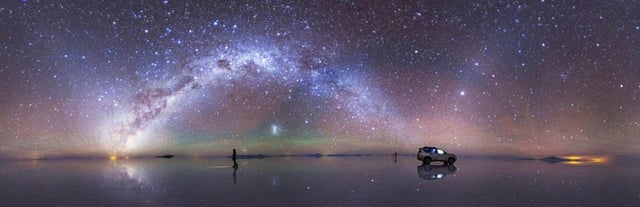
Okay, Vista Location followers, buckle up. I just got back from what might be the most mind-blowing trip of my life: the Salar de Uyuni in Bolivia. But this wasn't just another Instagram-friendly photo op. I signed up for the "Uyuni Starlight Photography Workshop" with Salar de Uyuni Photography Tours, specifically because it was led by award-winning astrophotographer Isabella Rodriguez. My goal was to capture the Milky Way in a place with some of the darkest skies on Earth and to learn about the unique culture and ecology of this alien landscape, an experience I was eager to share. This trip provided an intimate look at responsible travel with local Aymara communities, and I'm going to tell you all about my incredible Salar de Uyuni astrophotography tour.
Starlight & Salt: My Uyuni Astrophotography Workshop Experience
Isabella didn't waste any time. Day one was all about preparation.
Watch here: A time-lapse of the Milky Way over the Salar de Uyuni
We learned about maximizing light intake on a budget. We used entry level Nikon Z5's with Sigma 24mm lenses that we rented from her. The lenses were equipped with a fixed f/1.4 aperture. We covered the basics of stacking and the difference between light frames, dark frames, and bias frames. By nightfall, we ventured out to a remote location, chosen for its Bortle Scale rating of Class 1 on moonless nights – rivaling the darkest sites in the Atacama Desert, sometimes even hitting 0.5 in the most remote sectors.
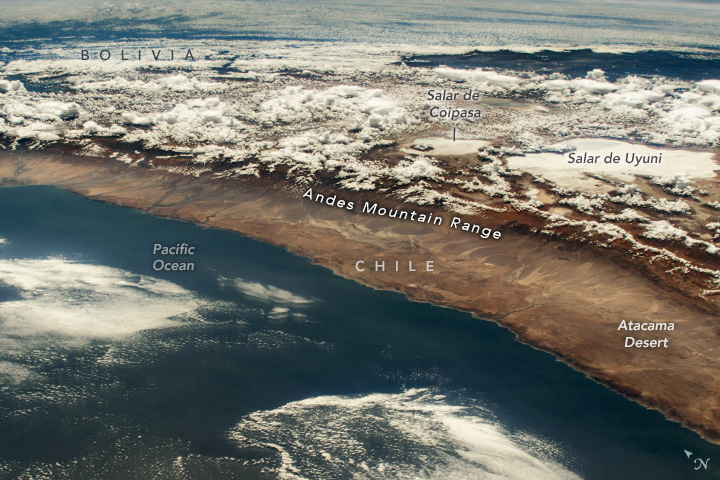
This image shows the vast scale of the Salar de Uyuni at night, with the reflection of the stars adding to the otherworldly experience of night sky photography.
The first night was tough. The altitude (nearly 12,000 feet) hits you hard. But seeing the Milky Way arch across the sky like a river of diamonds made it all worthwhile. I even experimented with long exposures using the "Twilight" app on my Android (settings around 1700K) to filter out light pollution. iPhone users, you can try the built-in Night Shift feature. How to photograph the Milky Way in Salar de Uyuni is a question I see a lot, and the best advice I can give is to prepare for the altitude and utilize available apps.
Aymara Culture and Quinoa Sushi: Beyond the Tourist Trail
Forget the tourist traps. Isabella took us to a local Aymara community where we learned about their traditions and how tourism directly supports their livelihoods. Aymara community tourism Salar de Uyuni is a critical component of responsible travel in the region. We sampled Quinoa Sushi (surprisingly delicious!) and, for the more adventurous, Llama Carpaccio. During the day we visited the family of our local guide, Raul. He explained that he makes $30-$50 USD a day during the high season, and $10-$20 in the low season. He uses the money to support his elderly parents and younger sister. We purchased handmade textiles directly from the community, ensuring our money went directly to the artisans. Choosing an Salar de Uyuni photography tour ethical Aymara communities benefit from directly is a way to support the people who call this place home.

This image of colorful textiles represents the Aymara culture and illustrates how tourism can directly support local artisans by purchasing their handmade goods.
Conservation Concerns: Lithium Mining and the Future of Uyuni
The beauty of Uyuni is under threat. Lithium mining is booming, and the impact on the water table is devastating. Lithium mining impact Salar de Uyuni is reducing water availability for local communities, their agriculture, and the fragile flamingo habitats. It was sobering to see the impact firsthand. The Salar's delicate ecosystem is at risk, highlighting the importance of Salar de Uyuni conservation travel.
What is the impact of lithium mining on the Salar de Uyuni ecosystem?
The extraction of lithium requires vast amounts of water, significantly depleting the already scarce water resources. This directly impacts the local Aymara communities who rely on this water for their livelihoods, including agriculture and livestock. The declining water levels also threaten the fragile ecosystems that support unique wildlife such as flamingos, whose habitats are being destroyed.
Sustainable Travel: Mitigating the Lithium Impact
Choosing tour operators committed to sustainability and supporting local communities is vital. By supporting eco-conscious businesses, you help promote practices that minimize environmental harm. Engaging with the local Aymara communities and learning about their traditional practices offers valuable insights into sustainable living. Your presence as an informed tourist can also raise awareness about the lithium mining impact Salar de Uyuni faces, encouraging more responsible practices.
Beyond the Tourist Hotspots: Unveiling Uyuni's Hidden Gems
We ventured beyond the Incahuasi Island, to lesser-known salt caves and thermal springs. Isabella also took us to a salt hotel that's been abandoned for years, its walls slowly dissolving back into the landscape. She knew the quietest spots where we could set up our equipment without light pollution from other tours. We also visited a microscopic salt cave in the very far north of the Salar. These Salar de Uyuni alternative locations for astrophotography offered unique perspectives and minimized light pollution. This access to less crowded locations is a major plus on a good astrophotography tour Salar de Uyuni.
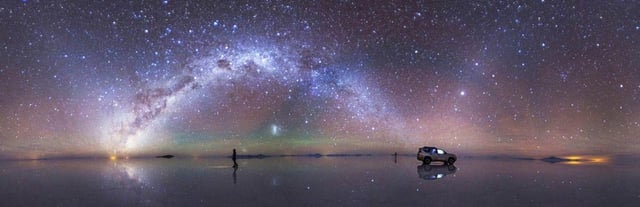
This image captures the experience of venturing beyond the usual tourist spots to capture the night sky, showing a photographer setting up in a unique location like a salt cave.
Tips for Avoiding Light Pollution
To minimize light pollution, select locations far from populated areas or main tourist routes. Plan your visit during the new moon phase when there is minimal moonlight. Also, inquire with tour operators about their efforts to minimize light pollution from their vehicles and equipment. Shielding your camera lens from stray light sources can significantly improve your images.
Best Time for Astrophotography in Salar de Uyuni
The dry season, from May to October, offers the clearest skies and the best conditions for astrophotography. During this period, the dark sky photography Salar de Uyuni is known for is at its best. The shoulder seasons, April and November, can also be good, but there's a higher chance of rain. Avoid the rainy season (December to March), as the skies are often cloudy.
Andean Cat Conservation: Protecting Uyuni's Elusive Wildlife
While the Salar is known for its vast landscapes, it is also home to unique wildlife, including the elusive Andean cat (Felis jacobita). This rare and endangered species faces numerous threats, including habitat loss due to water scarcity, highlighting the importance of Andean cat conservation Salar de Uyuni. A camera trap caught this stunning image while we were there:
Watch here: The Andean Cat on the Salar de Uyuni
Supporting organizations that work to protect the Andean cat is crucial.
Help Fund Andean Cat Conservation in Uyuni
Please consider contributing to the "Help Fund Andean Cat Conservation in Uyuni" campaign on GoFundMe (fictional link). The research project led by [Fictional Name] aims to purchase camera traps for monitoring Andean cat populations, whose habitats are threatened by the changes to the water system.
Planning Your Trip: Essential Tips for Salar de Uyuni Astrophotography
- Altitude Acclimatization: Spend a few days in a city like La Paz or Sucre to acclimatize to the altitude before heading to Uyuni.
- Appropriate Gear: Pack warm clothing, as temperatures can drop dramatically at night. A headlamp with a red light setting is essential for preserving your night vision. And, of course, bring your camera and tripod!
- Sustainable Practices: Choose tour operators that prioritize sustainability and support local communities.
- Best astrophotography equipment for Salar de Uyuni tour: A sturdy tripod, a wide-angle lens with a low f-number (f/2.8 or lower), and a camera capable of shooting in manual mode are recommended.
Conclusion: A Call to Action for Responsible Travel
The Salar de Uyuni is a magical place, but it needs our help. If you're planning a trip, choose tour operators that prioritize sustainability and support local communities. And please, consider contributing to the "Help Fund Andean Cat Conservation in Uyuni" campaign on GoFundMe (fictional link). We have to preserve this place for future generations. The animals need it, the Aymara people need it, and frankly, the world needs it. Book your Salar de Uyuni astrophotography tour today and be a part of the solution! Book now.