Beyond the Michelin Stars: The Fight to Preserve...
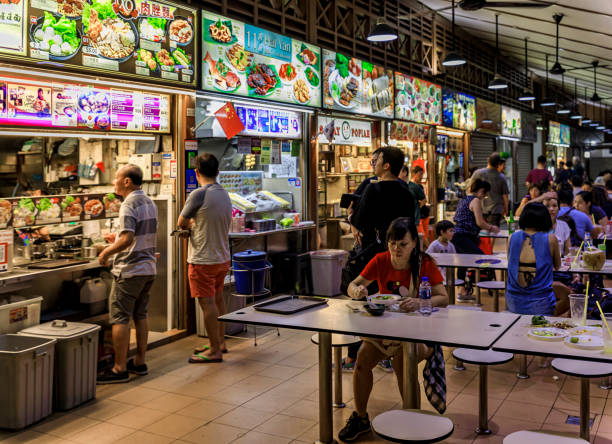
Singapore's hawker culture, a vibrant tapestry of flavors and traditions, earned its rightful place on UNESCO’s list of Intangible Cultural Heritage in 2020. More than just food, it's a cornerstone of Singaporean identity, a place where people from all walks of life converge over affordable and delicious meals. However, this cherished heritage faces unprecedented challenges. Rising ingredient costs, the difficulty of generational succession, and the allure of modern food trends threaten the very existence of these culinary gems. This isn’t just a story about Michelin stars and delicious dishes; it’s about the lives behind the stalls and the urgent need for conscious support. We're diving deep into the struggles and triumphs of three iconic hawker stalls, offering insights and a call to action for visitors to become ethical ambassadors of this precious tradition.
Tian Tian Chicken Rice (Maxwell Food Centre): More Than Just Silky Chicken
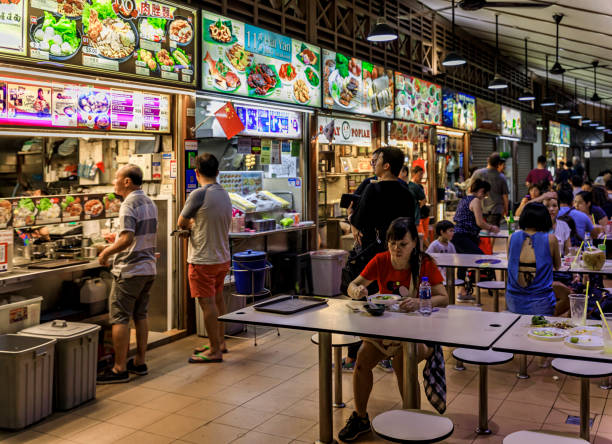
Tian Tian Chicken Rice, nestled within the bustling Maxwell Food Centre, is synonymous with Singaporean culinary excellence. The story begins with Madam Loi, the visionary founder, who meticulously perfected her recipe over decades. Her signature is the unbelievably silky texture of the chicken, achieved through a precise poaching technique and a closely guarded family secret. The chicken is plunged into ice baths immediately after cooking, a critical step to achieve that signature texture. The rice, infused with chicken broth and pandan leaves, is equally crucial, perfectly complementing the succulent chicken.
However, even with its international acclaim, Tian Tian faces the persistent challenge of maintaining quality while meeting ever-increasing demand. Balancing tradition with the pressures of expansion is a constant tightrope walk. "The biggest challenge is ensuring every plate meets the standards I set," Madam Loi once shared. "We can’t compromise on quality, no matter how busy we get." Preserving Tian Tian Chicken Rice is a key element to Singapore hawker heritage preservation, as is the succession crisis that looms when these founders retire.
Hill Street Tai Hwa Pork Noodle (Crawford Lane): A Michelin Star and a Fight for Legacy
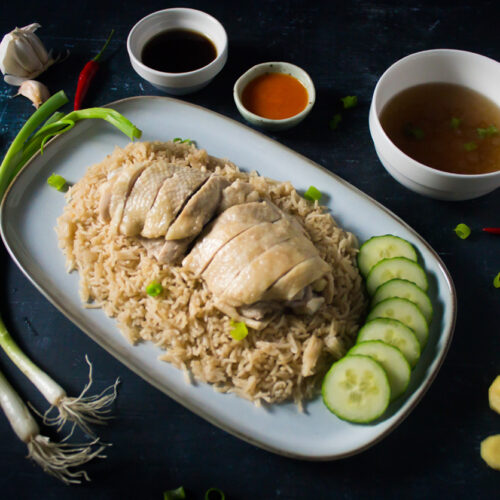
Hill Street Tai Hwa Pork Noodle, a pioneer in the Singaporean hawker scene, boasts a history spanning decades. Known for its Teochew-style Bak Chor Mee, this stall draws snaking queues of eager diners, all craving a taste of its unique flavor profile. What sets it apart? The use of a specific type of black vinegar, carefully balanced with chili, minced pork, braised mushrooms, and crispy lard. The precise ratio of ingredients is a closely guarded secret, passed down through generations.
The current owner faces immense pressure to maintain the stall's Michelin star, a recognition that simultaneously elevates its status and amplifies expectations. Finding a successor is his biggest challenge. Furthermore, rising ingredient costs have significantly impacted the business. Over the past five years, the price of pork, a key ingredient, has risen by approximately 30%, while the cost of noodles has increased by 15%. This has inevitably led to slight price adjustments, a delicate balancing act to maintain affordability while ensuring profitability. This situation highlights the challenges facing Singapore hawkers. Preserving the Hill Street Tai Hwa Pork Noodle legacy is about more than just maintaining a Michelin star; it's about ensuring the survival of a culinary institution in the face of economic hardship.
Lau Pa Sat Satay Street: Under the Stars, A Fight to Shine
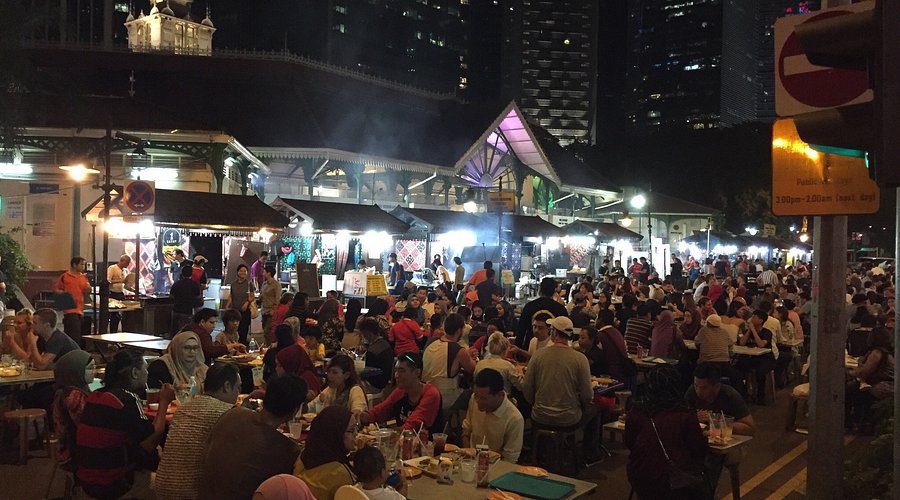
Imagine the aroma of smoky, grilled meat filling the air, the twinkling lights of Lau Pa Sat overhead, and the lively chatter of diners enjoying a quintessential Singaporean experience. Lau Pa Sat Satay Street is an iconic destination, a melting pot of flavors and cultures. Here, we focus on one satay vendor family (let's call them the Ahmd family) who have been grilling satay here for generations. Their secret lies in their family's unique blend of spices, meticulously ground and combined to create a marinade that's both sweet and savory, with hints of turmeric, cumin, coriander, and lemongrass. The Ahmd family has been affected by the Lau Pa Sat hawkers struggle in the last few years.
However, even amidst the vibrant atmosphere, challenges persist. Stringent regulations and escalating rental costs put immense pressure on these family-run businesses. These regulations can include everything from food safety standards to stall size restrictions. The combination of regulations and rent often requires significant profits to be made to be sustainable. Older photos of the Ahmd family's stall, taken decades ago, reveal a simpler, more rustic setup. Today, the stall is more modern, reflecting the need to adapt to changing times and stricter regulations. The spices and grilling techniques may be the same, but the overall experience is very different.
Ethical Travel Guidelines for Hawker Centers: Supporting Sustainability
The future of Singapore's hawker culture rests not just on the shoulders of the hawkers themselves, but also on the choices of visitors and locals alike. Here's how you can practice ethical tourism Singapore hawker stalls:
- Support Sustainability: Visit stalls outside of peak hours (lunch and dinner rushes) to avoid overwhelming the vendors. This allows them to maintain quality and reduces wait times for everyone.
- Avoid Food Waste: Order only what you can realistically consume. Consider sharing dishes with friends or family to sample a wider variety without contributing to food waste.
- Respect Livelihoods: Remember that hawkers are working incredibly hard, often under challenging conditions. Patience and kindness are always appreciated.
Here are some specific etiquette tips:
- Don’t take up tables before ordering your food.
- Offer exact change whenever possible to speed up transactions.
- Properly dispose of your waste after you finish eating.
- Be mindful of the space you are occupying, especially during peak hours.
Conclusion: A Call to Conscious Consumption
The stories of Tian Tian Chicken Rice, Hill Street Tai Hwa Pork Noodle, and Lau Pa Sat Satay Street are just a glimpse into the rich tapestry of Singapore's hawker culture. These culinary gems, recognized by UNESCO, represent more than just delicious food; they embody the spirit of community, tradition, and resilience. As tourists, we have a responsibility to be conscious consumers, to understand the challenges these hawkers face, and to play an active role in ensuring their survival.
By embracing ethical travel practices, supporting sustainable initiatives, and respecting the livelihoods of these culinary artisans, we can help preserve this invaluable piece of Singapore's heritage for generations to come.
Consider donating to the Hawker Culture Support Fund: https://www.nhb.gov.sg/what-we-do/our-work/safeguarding/intangible-cultural-heritage/hawker-culture-in-singapore/hawker-culture-unesco-inscription