Beyond the Legend: Discovering the Real Transylv...
As a folklorist specializing in Romanian traditions, I’ve always been captivated by Transylvania. But like many, my initial understanding was clouded by the ubiquitous myth of Dracula. After two weeks spent traversing its majestic landscapes and immersing myself in its vibrant culture, I can confidently say that the "real" Transylvania is far richer, more complex, and infinitely more enchanting than any vampire tale. Join me, Dr. Anya Petrova, on a journey beyond the legend to uncover the authentic heart of this fascinating region.
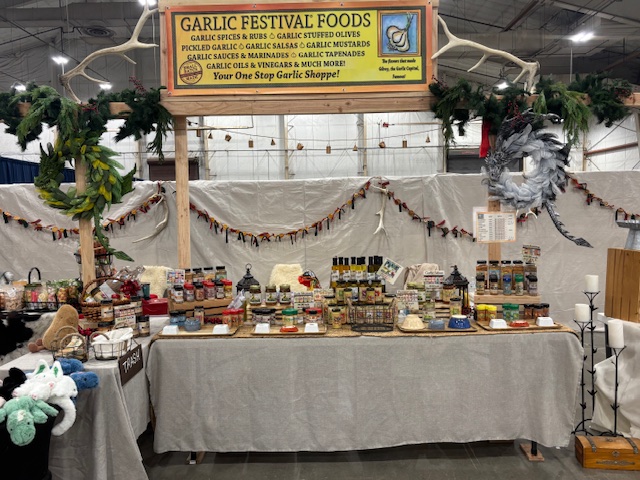
The Garlic Festival: A Celebration of Țara Bârsei
My journey began in the Țara Bârsei region, where I was fortunate enough to experience the "Festivalul Usturoiului," or Garlic Festival. Forget your preconceived notions about garlic being merely a culinary ingredient; here, it's a symbol of protection, good health, and celebration. The air buzzed with energy as local artisans showcased their crafts: intricately woven baskets, hand-carved wooden tools, and vibrant textiles adorned with traditional Romanian motifs.
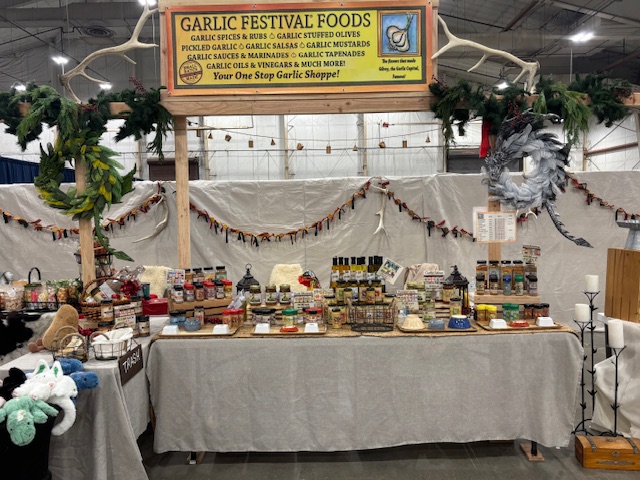
Traditional Romanian music filled the air, with lively folk songs and intricate dances performed by locals in vibrant costumes. And of course, the food! Garlic was the star of every dish: garlic soups, garlic sausages, garlic bread, even garlic-infused desserts! I sampled a variety of delicacies, each showcasing the versatility of this humble ingredient. The festival provided a glimpse into the warmth and hospitality of the Romanian people, and a reminder of the importance of preserving their unique cultural heritage. If you plan to go, make sure to check a Transylvania festivals and events calendar to plan accordingly. Also, don't forget to pick up Attending Garlic Festival Țara Bârsei tips before your visit.
Corvin Castle: Echoes of History in Stone
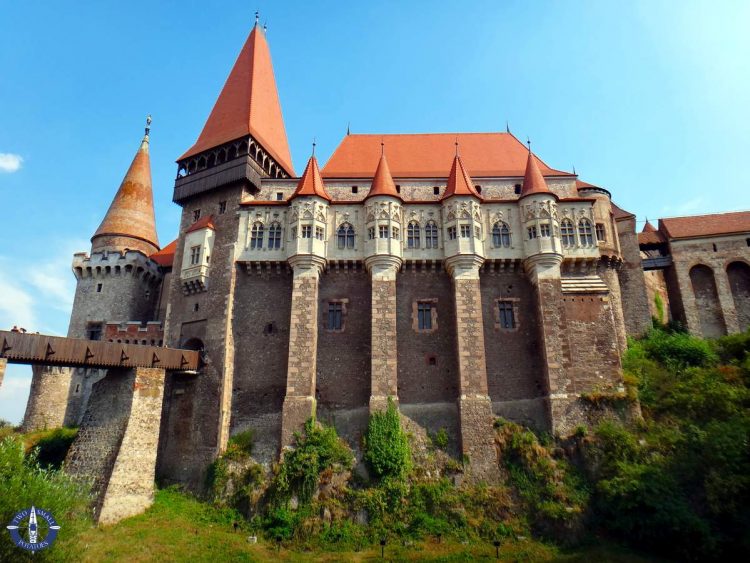
Next, I journeyed to Hunedoara to visit Corvin Castle, also known as Hunedoara Castle, a magnificent Gothic-Renaissance fortress that stands as a testament to Transylvania's rich history. While often associated with Vlad the Impaler, its true history is far more compelling. The castle's architecture is breathtaking, with its soaring towers, intricate stonework, and imposing battlements. I spent hours exploring its labyrinthine corridors, imagining the lives of the nobles and knights who once walked these halls.
One of the things that struck me most was the castle's strategic location, perched atop a rocky outcrop overlooking the Zlaști River. From its walls, I could see the rolling hills of Transylvania stretching out before me, a landscape steeped in history and legend. If you are interested in delving deeper into the past, consider booking a Corvin Castle guided tour to learn about the castle's architecture and historical significance. Make sure to ask: What is the history of Corvin Castle? The answer will give you a new appreciation for this incredible landmark.
Turda Salt Mine: A Subterranean Wonderland
My travels then took me to Turda Salt Mine, a truly surreal and unforgettable experience. Descending into the depths of the earth, I entered a world of echoing chambers, shimmering salt formations, and breathtaking underground lakes. The mine, dating back to the Middle Ages, has been transformed into a unique tourist attraction, with recreational activities like boating, bowling, and even a Ferris wheel!
The sheer scale of the mine is awe-inspiring, and the air is crisp and clean, thanks to the high salt content. It's a place that stimulates the senses and sparks the imagination. When planning your visit to the Turda Salt Mine, consider Turda Salt Mine accessibility and how to get there independently. You might be wondering How can I get to Turda Salt Mine from Cluj-Napoca? so you can plan your trip accordingly.
Pottery in the Countryside: A Hands-On Tradition
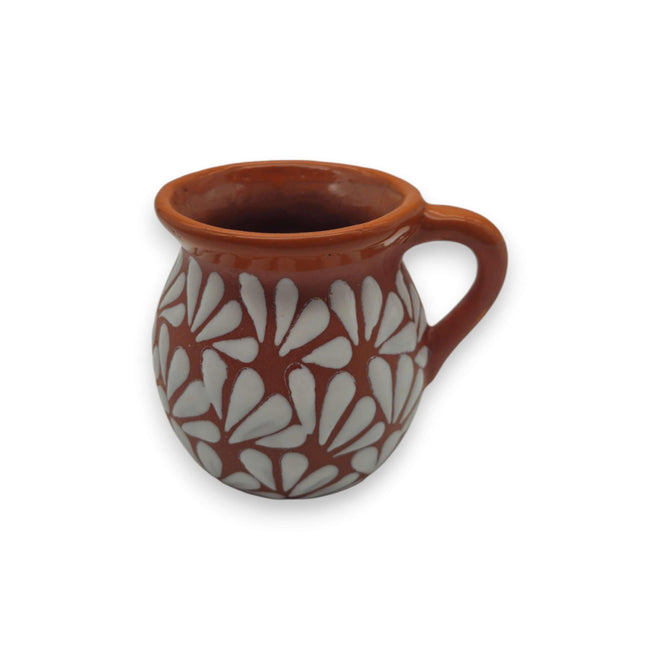
To further immerse myself in Transylvanian culture, I participated in a traditional Romanian pottery workshop in a rural village near Cluj-Napoca. The artisans, masters of their craft, patiently guided me through the process of shaping clay on a spinning wheel. It was a humbling experience, requiring focus, skill, and a deep connection to the earth. I learned about the intricate techniques passed down through generations, and the significance of the motifs and patterns used to decorate the pottery. This is a great chance to see what Traditional crafts of Transylvania are still being practiced. Before you go, you should know the Beginner pottery workshop Cluj-Napoca cost.
A Culinary Journey: Flavors of Transylvania
No exploration of Transylvania would be complete without indulging in its delicious cuisine. I savored every bite of mămăligă (polenta), served with various toppings like cheese, sour cream, and stew. The rich flavors of sarmale (cabbage rolls) filled with meat and rice were a particular delight. And of course, I couldn't resist the sweet temptation of kürtőskalács (chimney cake), purchased from a street vendor – a cylindrical, caramelized pastry that is simply irresistible. For a truly authentic Transylvanian dining experience, I highly recommend Crama Rasarit in Sighisoara. The atmosphere is cozy and inviting, and the food is prepared with fresh, local ingredients.
Be sure to try the local Transylvanian wine from Jidvei vineyards; its crisp, fruity notes perfectly complement the region's hearty dishes. If you love wine, consider a Jidvei wine tour! If you are like most tourist, you may wonder What is Kürtőskalács and where to find it in Transylvania?
The Beauty of the Carpathians and the Fortified Churches
Throughout my journey, I was constantly awestruck by the breathtaking beauty of the Carpathian Mountains. Their majestic peaks, verdant forests, and cascading waterfalls create a landscape that is both awe-inspiring and serene. The charm of the rural villages, with their traditional architecture and horse-drawn carts, added to the region's allure. I was also deeply moved by the historical importance of Transylvania's fortified churches, UNESCO World Heritage sites that stand as enduring symbols of the region's cultural and religious heritage.
Take some time to explore some Carpathian Mountains hiking trails Transylvania.
Conclusion: Embrace the Real Transylvania
My two weeks in Transylvania were an unforgettable experience, one that shattered my preconceived notions and opened my eyes to the region's true cultural richness. Beyond the myths and legends, I discovered a land of breathtaking landscapes, vibrant traditions, warm hospitality, and a people fiercely proud of their heritage. I encourage you to look beyond the Dracula stories and discover the real Transylvania for yourself. It's an experience you won't soon forget. Consider exploring Transylvania off the beaten path to have a truly unique and enriching travel experience. What is the best time of year to visit Transylvania for cultural experiences? I encourage you to Visit Transylvania Romania and see for yourself.