Beyond the Dunes: Unexpected Encounters in the W...
The call of the desert is a strange one, a siren song of stark landscapes and silent beauty. But ethical desert tourism isn't just about ticking off bucket-list destinations; it's about understanding and respecting these fragile ecosystems and the communities that call them home. My recent journeys across some of the world's most iconic deserts have been filled with unexpected encounters, moments of awe, and a renewed commitment to regenerative desert travel. From the surreal silence of the Black Rock to the vibrant artistry of the Sahara, I'm excited to share my experiences.
Black Rock Reverie: Camping on the Playa
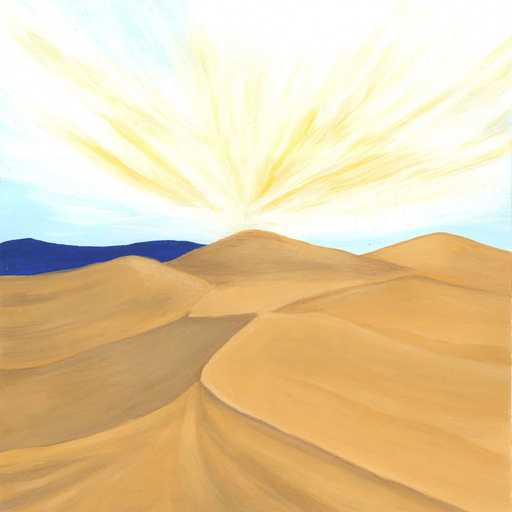
The Black Rock Desert in Nevada is a place that messes with your senses. Outside of the Burning Man frenzy, it's a vast, empty expanse of alkaline playa. The dust, fine as talcum powder, clings to everything – my tent, my clothes, even my eyelashes. The daytime heat radiating from the baked earth is relentless, a dry, unforgiving scorch. But then, night falls, and the temperature plummets. Huddled in my sleeping bag, I gazed up at an unbelievably clear sky, a canvas splashed with more stars than I thought possible. The silence, broken only by the occasional coyote howl, was profound. It was an exercise in extremes, and a powerful reminder of nature's raw power. Responsible travel to the Black Rock Desert requires preparation and respect for its harsh conditions, ensuring minimal impact on this unique landscape.
Botswana's Balancing Act: Sustainability in the Makgadikgadi Pans
From the starkness of Nevada, I traveled to the contrasting landscape of Botswana’s Makgadikgadi Pans. This area is known for it's expansive salt pans, and unique wildlife. It was here I experienced the challenge of balancing tourism with conservation and community well-being firsthand. The lodge where I stayed was a model of sustainable practices, running entirely on solar power and harvesting rainwater. What truly impressed me was their active involvement of the local Basarwa (San) community in their tourism operations.
The Basarwa are the oldest inhabitants of Southern Africa. The lodge provides employment and opportunities for them to share their traditional knowledge and culture with visitors. I felt conflicted – was I contributing to the commodification of their culture? Yet, I also saw the tangible benefits: economic empowerment, preservation of traditions, and a sense of pride. Ultimately, I left feeling inspired by their commitment to sustainability, a testament to how Makgadikgadi Pans safari experiences can contribute to both conservation and community upliftment.
Whispers of the Empty Quarter: A Soundscape of Solitude
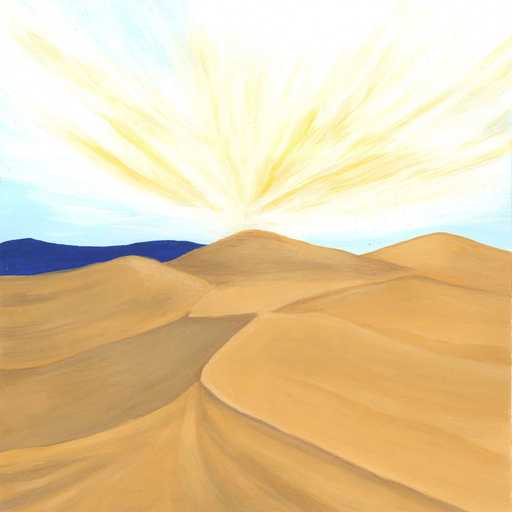
Next on my journey was the legendary Empty Quarter (Rub' al Khali), a seemingly endless sea of dunes stretching across Saudi Arabia, Oman, the United Arab Emirates, and Yemen. Instead of focusing on the visual grandeur, I found myself captivated by the desert's unique soundscape. The whisper of the wind sculpting the dunes was a constant presence, a low, almost mournful song. In the distance, the quiet hum of a solar-powered weather station provided a subtle reminder of human presence, but one that didn't intrude on the profound solitude.
Most surprising were the unexpected calls of migratory birds soaring overhead. How did they navigate this vast, seemingly barren landscape? These sounds, both natural and man-made, created a symphony of solitude, amplifying the feeling of being utterly alone in one of the world's most remote places. Desert adventure travel in the Empty Quarter offers an unparalleled opportunity for introspection and connection with the natural world.
Woven Wonders: Empowering Women in the Sahara
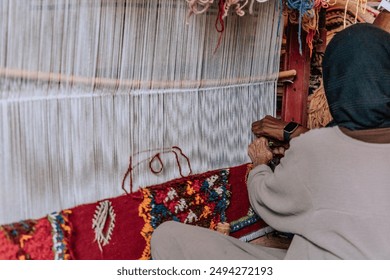
From the silence of the Empty Quarter, I traveled to the vibrant world of the Sahara Desert in Morocco, where I had the privilege of visiting the Taznakht Cooperative. This cooperative brings together women from the Berber communities. They’re creating exquisite traditional rugs using natural dyes extracted from plants and minerals found in the surrounding landscape. The intricate process, passed down through generations, is a testament to their skill and artistry.
The women shear, wash, spin, and dye the wool by hand, before painstakingly weaving each rug on traditional looms. The colors are breathtaking – deep indigo blues, earthy reds, and vibrant yellows, all derived from natural sources. I was particularly drawn to a rug called "Sunrise Over Erg Chebbi," vistalocation.com/taznakht-rug, with its vibrant oranges, pinks, and geometric patterns that seemed to capture the magic of a desert sunrise. Supporting Berber rug cooperatives in Morocco not only preserves a rich cultural heritage but also empowers women economically and socially.
The Ethics of Flash: Wildlife Photography in the Dark
My desert explorations weren't just about landscapes and cultures; I also wanted to capture the unique wildlife. One night, while attempting to photograph kangaroo rats and scorpions in the Black Rock Desert, I confronted the ethical challenges of wildlife photography head-on. The bright flash of my camera startled the nocturnal creatures, causing them to freeze and then dart away. I knew that repeated exposure to such intense light could disrupt their natural behavior and even harm their sensitive eyes.
I made a conscious decision to switch to a red light filter, minimizing the impact on the wildlife. While the resulting images were less-than-perfect, they were taken with respect and a commitment to minimizing harm. Ethical wildlife photography demands a moral responsibility to prioritize the well-being of the animals over the pursuit of a perfect shot.
Restoring the Sands: Hope for the Arabian Oryx
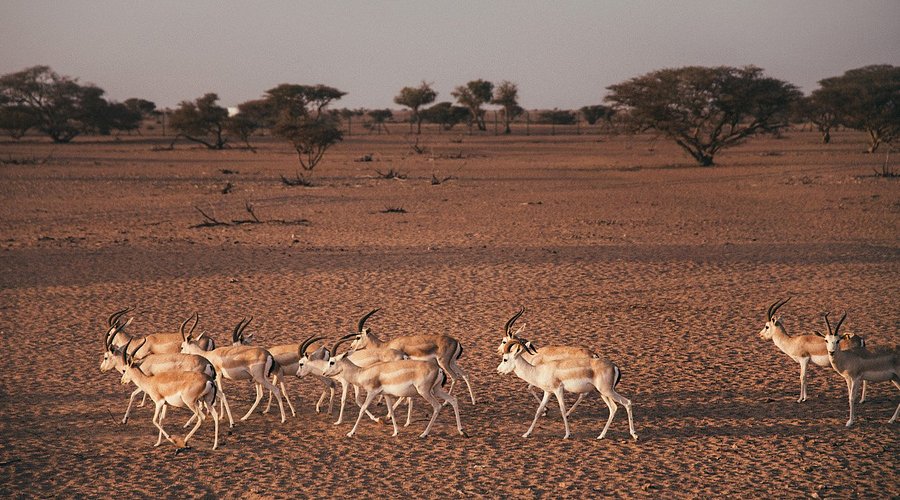
My final desert encounter brought me hope for the future. I learned about the incredible efforts to reintroduce the Arabian oryx, a magnificent antelope that once roamed freely across the Arabian Desert, to protected areas. The Al Wusta Wildlife Reserve in Oman is a key location for this project, providing a safe haven for these animals to thrive. Hearing about the success of these initiatives gave me hope that tourism can actively contribute to ecological restoration. Regenerative desert tourism has the potential to transform the way we interact with these fragile environments, turning visitors into stewards of the land. Learning about Arabian Oryx reintroduction conservation project gave me hope for the future.
Ready to experience the magic of the Empty Quarter responsibly? Book a bespoke, low-impact adventure with our partner, [Fictitious Company Name: Desert Footprints Expeditions], specializing in small-group, camel-supported expeditions, through vistalocation.com/desert-footprints.