Beyond the Dunes: Immersive Desert Experiences f...
The allure of the desert lies not just in its stark beauty, but in the profound lessons it offers about resilience, adaptation, and the interconnectedness of life. For the responsible desert tourism enthusiast seeking more than just a scenic snapshot, the world's arid landscapes provide unparalleled opportunities for geological exploration, survival skill acquisition, and a deeper understanding of fragile ecosystems. Forget fleeting experiences; we're diving into immersive journeys that leave a minimal footprint while maximizing educational impact. From the scorching plains of Ethiopia to the shifting sands of China and the extreme temperatures of Death Valley, prepare to discover the raw beauty and vital lessons hidden beyond the dunes.
Facing the Furnace: Survival in the Danakil Depression
The Danakil Depression, a geological wonderland in Ethiopia, is one of the hottest and most inhospitable places on Earth. But for the adventurous and ethical travel enthusiast, it offers a unique opportunity to witness extraordinary geological formations and test your survival mettle. Survival in this environment begins with understanding the extreme heat and the necessity of meticulous planning.
Danakil Depression Geology
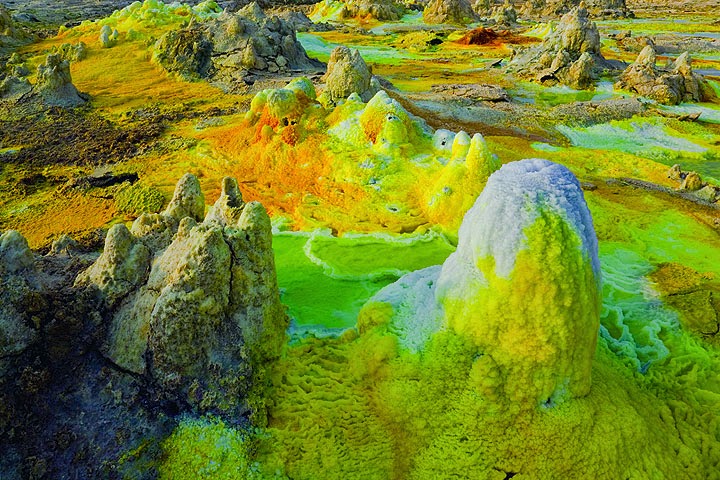
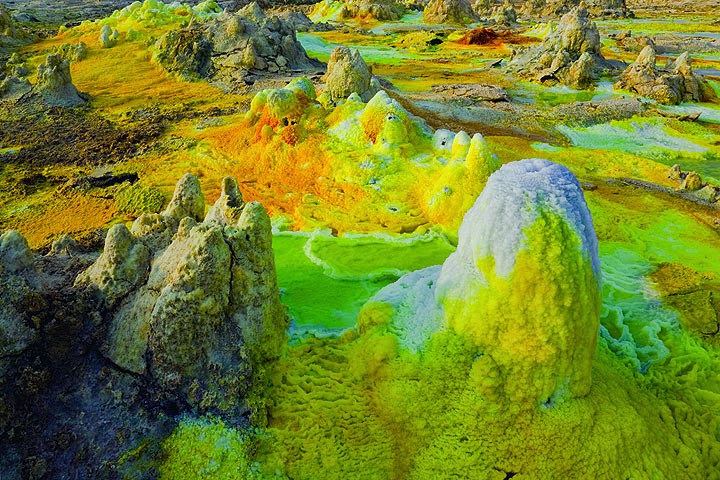
The landscape is a canvas painted with the colors of sulfur, iron oxide, and other minerals. These vibrant hues are found at Dallol, where hydrothermal fields bubble with geothermal activity. The Danakil Depression geology is a result of tectonic activity; it lies at the junction of three tectonic plates. The Dallol's colorful salt pans are composed of various chemical compounds deposited by hydrothermal springs. Yellow hues come from sulfur, red and orange from iron oxide, and white from various salts like potassium and magnesium. The area's geothermal activity is driven by magma close to the surface, heating groundwater which then dissolves minerals and deposits them upon evaporation.
Survival Strategies
To endure the Danakil Depression, hydration is paramount. The air is dry, and you'll lose fluids rapidly through sweat. Carrying ample water is essential, but knowing how to supplement your supply is equally important. Water can be extracted from the ground in some areas by digging shallow wells and using condensation techniques, especially at night when temperatures drop. Sheltering from the sun is also crucial. Seek out any available shade and cover your skin with lightweight, breathable clothing.
An understanding of atmospheric water generation from groundwater is invaluable. In specific areas, groundwater seeps close to the surface and evaporates due to the intense heat. This evaporation increases humidity levels locally, and the slightly cooler nighttime temperatures can be used to condense this moisture using simple techniques such as plastic sheeting or specially designed water collection devices.
Responsible Tourism and Cultural Respect
The Afar people, who call this harsh land home, have a long history of salt mining. Learn more about their fascinating culture at Afar Culture. Responsible tourism here means respecting their traditions, minimizing your environmental impact, and supporting the local economy. Consider a guided tour with GeoExplorers Ethiopia, who specialize in geological expeditions and work closely with the Afar community. Accommodation options are limited, but Erepta Camp near the Erta Ale volcano offers basic but functional facilities. It focuses on minimizing its environmental footprint and supports scientific research in the region. It's an adventure travel experience unlike any other.
The Enigma of Death Valley: Sailing Stones and Temperature Extremes
Death Valley National Park, a land of extremes, showcases the power of geological forces and the surprising resilience of life. While the name evokes images of desolation, this park is teeming with unique geological features and life perfectly adapted to its harsh climate. Desert survival skills are tested here, and the reward is an unforgettable experience.
Death Valley Sailing Stones
One of the park's most enigmatic features is the Death Valley sailing stones at Racetrack Playa. These rocks mysteriously move across the flat playa surface, leaving trails behind them. The prevailing hypothesis suggests that a rare combination of thin ice sheets, strong winds, and a muddy playa surface allows the stones to slide. When the playa is covered with a thin layer of water during the winter, freezing temperatures can form thin sheets of ice. If winds are strong enough, they can push these ice sheets, carrying the rocks along with them.

Enduring the Temperature Swings
Desert temperature swings in Death Valley are dramatic. Daytime highs can soar to over 120°F (49°C), while nighttime temperatures can plummet. To endure these fluctuations, layering clothing is key. Wear lightweight, breathable fabrics during the day to protect from the sun and retain moisture. As the temperature drops, add insulating layers to trap heat. Hydration is crucial throughout the day and night. Building a simple shelter can also provide crucial protection from both the sun and the cold.
Conservation and Cultural Heritage
The Timbisha Shoshone tribe has called Death Valley home for centuries. Their traditional knowledge and conservation practices are vital to preserving this fragile ecosystem. Learn more about their history and ongoing efforts on the National Park Service website. For accommodation, consider The Oasis at Death Valley, which has implemented several water conservation programs. Opt for a ranger-led geology tour from the National Park Service for an informative and educational tourism experience.
Taming the Sands: Navigating the Shifting Taklamakan
The Taklamakan Desert in China, one of the largest sandy deserts in the world, presents a unique set of challenges for travelers. Its name, meaning "once you go in, you won't come out," reflects its formidable nature. However, with the right knowledge and respect, this desert can be an incredible destination.
Understanding the Dunes
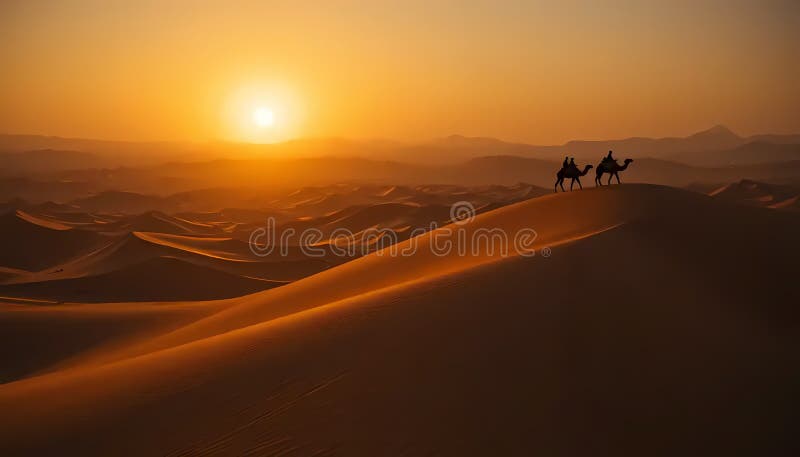
The Taklamakan sand dunes are constantly shifting, sculpted by the relentless winds. Barchan dunes, crescent-shaped formations, migrate across the desert floor. Star dunes, towering pyramids of sand, are formed by winds blowing from multiple directions. Navigating these dunes requires a keen understanding of wind patterns and careful observation of the landscape.
Desert Sandstorm Survival
Desert sandstorm survival requires a calm head and quick thinking. Seek immediate shelter behind any available object – a rock, a vehicle, or even a large dune. Protect your face, eyes, and skin from the abrasive sand. Wrap a cloth around your mouth and nose to filter the air. If caught in an open area, lie flat on the ground and cover your head. Signaling for help can be difficult in a sandstorm, but bright clothing or reflective materials can increase your visibility once the storm subsides.
Exploring the Silk Road
The Taklamakan Desert played a crucial role as a crossroads along the Silk Road. Explore its history and significance at The Silk Road. For a guided experience, consider a tour with China Adventure Tours, which includes instruction on desert navigation and survival. Stay at the Silk Road Eco-Lodge outside Kashgar, which is committed to sustainable practices and community involvement. These practices ensure that the fragile ecosystems of the region are preserved for future generations.
The call of the desert is a call to adventure, to learning, and to a deeper understanding of our planet. By embracing responsible tourism practices, respecting local cultures, and acquiring essential survival skills, we can explore these magnificent landscapes in a way that benefits both ourselves and the environment. Are you ready to go beyond the dunes and embark on your own transformative desert journey? Contact VistaLocation today to plan your unforgettable desert escape!