Beyond the Dunes: Experiencing the Desert with R...
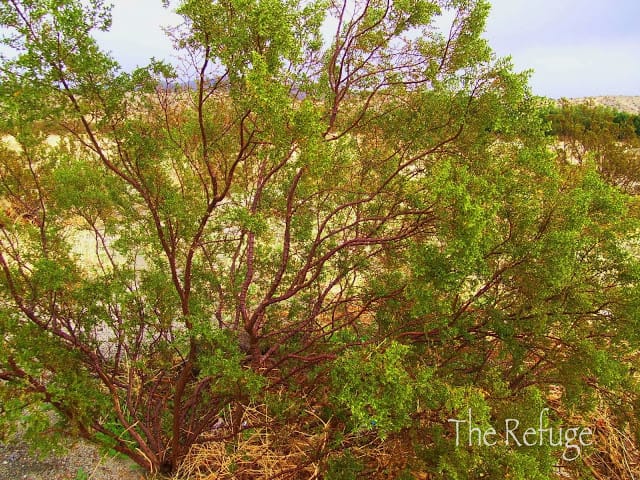
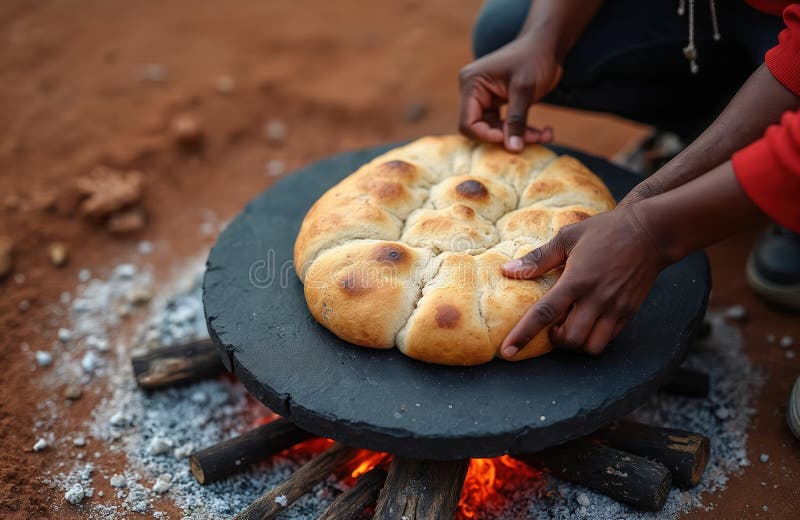
The desert. A landscape of stark beauty, seemingly endless horizons, and a profound sense of solitude. It calls to the adventurous spirit, promising an experience unlike any other. From the towering dunes of the Namib to the hidden canyons of the American Southwest, deserts hold a unique allure. But with this allure comes a responsibility. Responsible tourism is not just a trend; it's a necessity to preserve these fragile ecosystems for generations to come. This means traveling with awareness, respecting local communities, and minimizing our environmental impact. Join us as we explore the wonders of the desert and how to experience them with respect and wonder, especially focusing on Namibian Desert Experiences.
Experiencing the Night Sounds of Sesriem Canyon
Imagine standing within the towering walls of Sesriem Canyon in Namibia after dark. The daytime heat has dissipated, leaving a refreshing coolness in its wake. The visual landscape transforms, trading harsh sunlight for the soft glow of starlight, revealing a completely new dimension to the experience. But it's the sounds that truly captivate. The vast silence is punctuated by the subtle symphony of desert life.
Listen closely, and you'll hear the distinctive rasping call of the Verreaux's eagle-owl, a powerful predator whose voice echoes off the canyon walls, a chillingly beautiful reminder of nature's raw power. Below, on the canyon floor, the clicking sound of the Namaqua chameleon hunting insects breaks the silence. This tiny predator, perfectly adapted to its harsh environment, diligently stalks its prey under the cloak of darkness. Finally, the subtle rustling of wind through the sparse desert vegetation completes this incredible auditory experience. The desert, often perceived as silent, is alive with a hidden orchestra after the sun sets. Seek to capture and experience these Unique Desert Activities Sesriem Canyon, but make sure to treat it with respect.
Desert Impact Checklist: Measuring Your Footprint
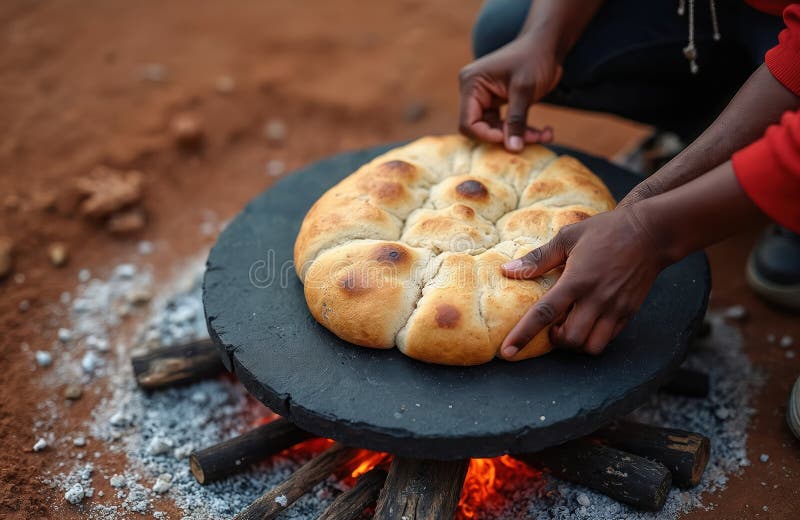
Traveling responsibly in the desert requires conscious choices that minimize our environmental impact. To help you gauge your impact, we've created a "Desert Impact Checklist." Calculate your score and strive for a lower footprint on your next desert adventure to enable Sustainable Desert Tourism Namibia.
- Choosing a lodge powered by solar energy = 5-point reduction
- Participating in a guided hike focused on desert ecology = 3-point reduction
- Using biodegradable sunscreen = 2-point reduction
- Using refillable water bottles instead of single-use plastic bottles = 4-point reduction
- Supporting local artisans = 3-point reduction
This Desert Impact Minimization Guide encourages mindful travel and helps you make informed decisions that benefit the environment and local communities.
Supporting Local Craft: The Tsandi Design Rug
One of the most impactful ways to travel responsibly is by supporting local artisans. The "Tsandi Design Rug" from the Okahandja Weavers Cooperative is a beautiful example of traditional Namibian craftsmanship.
Purchasing this rug provides 80% of the sale price directly to weaver Naemi Iyambo, enabling her to support her family and continue her craft. It is an Ethical Desert Travel Checklist item. Each rug tells a story, woven with skill and tradition, preserving cultural heritage and empowering local communities.
Click here to purchase the Tsandi Design Rug and directly support Naemi.
Ethical Wildlife Photography in the Desert
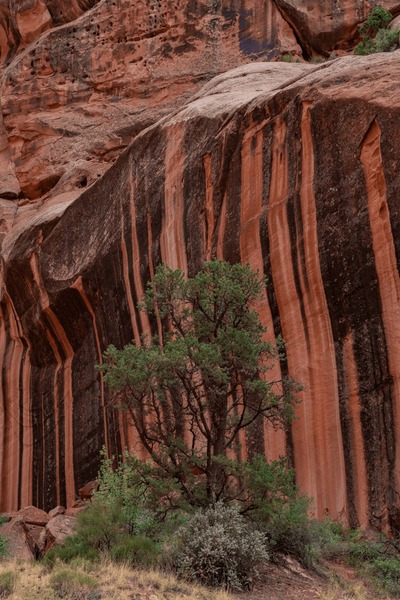
The desert is home to a remarkable array of wildlife, and photographing these creatures can be an incredibly rewarding experience. However, it's crucial to practice Ethical Wildlife Photography Desert Namibia to ensure their well-being.
Use long lenses to maintain a safe distance, minimizing disturbance. Always respect animals' space and avoid approaching or feeding them. Disrupting their natural behavior, even for a photo, can negatively impact their survival. Remember that our presence should be invisible to the wildlife, allowing them to thrive in their natural habitat.
Conclusion
Desert landscapes offer a unique and unforgettable travel experience. By embracing responsible travel practices, we can preserve these fragile ecosystems and support the communities that call them home. From experiencing the night sounds of Sesriem Canyon to supporting local artisans and practicing ethical wildlife photography, every action, no matter how small, makes a difference. Let us all commit to traveling with respect and wonder, ensuring that future generations can also marvel at the beauty of the desert.