Beyond the Dunes: Discovering the Soul of the De...
Tired of the same old tourist traps? Want a desert adventure that leaves a positive footprint? Deserts, often perceived as barren landscapes, are in reality fragile ecosystems teeming with life and rich cultural heritage. But these unique environments face increasing threats from climate change, habitat loss, and unsustainable tourism. Discover how you can experience the magic of the desert while actively contributing to its preservation and supporting the communities that call it home. This is desert conservation travel at its finest.
Assisting Desert Ecology Studies in the Mojave Desert
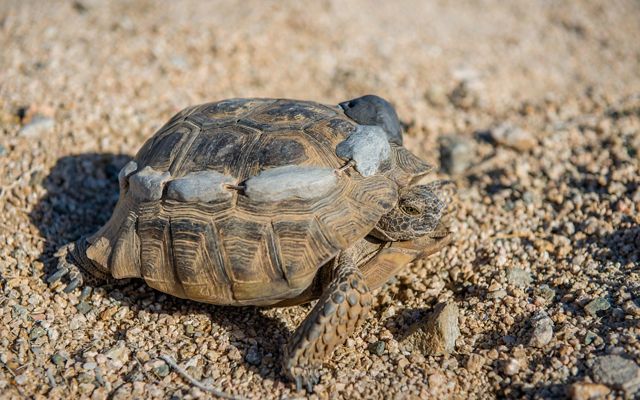
The Mojave Desert ecology is home to a fascinating array of species, none more iconic than the desert tortoise. Understanding their unique adaptations to extreme conditions is crucial for their survival, especially in the face of habitat loss and climate change.
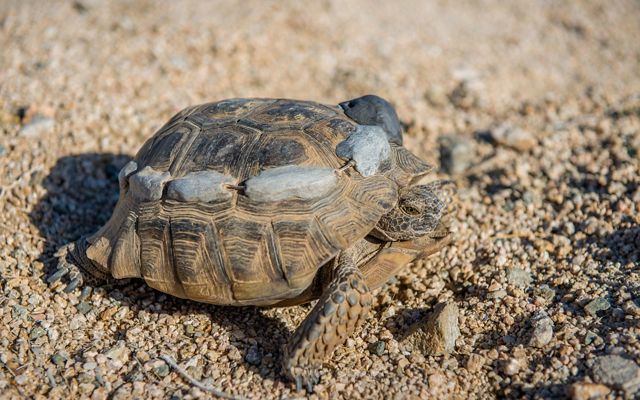
You can directly contribute to desert tortoise conservation efforts by volunteering with research organizations like the Desert Tortoise Council. These organizations often need assistance with vital tasks such as:
- Radio Telemetry Tracking: Using specialized equipment to locate tortoises and monitor their movements.
- Measuring Carapace Length: Collecting data on tortoise size and growth rates.
- Recording Habitat Data: Assessing the quality and availability of food and shelter.
Volunteering provides invaluable support to researchers and allows you to witness firsthand the challenges and rewards of Mojave Desert volunteer work. It's a chance to learn about the tortoise's biology, behavior, and the threats it faces, all while making a tangible difference in its conservation.
Why is tagging desert tortoises important?
Tagging desert tortoises is essential for monitoring their movements, studying their habitat use, and tracking their survival rates. This data is crucial for understanding the impact of various threats and developing effective conservation strategies.
Ethical Ecotourism and the Berber Culture of the Sahara
The Sahara Desert ecotourism offers an unparalleled opportunity to experience the vastness and beauty of the world's largest hot desert. However, it's crucial to approach this experience with responsibility, especially concerning the nomadic Berber people who have called the Sahara home for centuries.

Tourism can have both positive and negative impacts on Berber culture tourism. While it can provide economic opportunities, it can also lead to cultural commodification and the disruption of traditional ways of life. To ensure your visit is ethical desert tourism, consider the following:
- Purchase handcrafted goods directly from artisans: Support their livelihoods and preserve traditional skills.
- Stay in locally-owned eco-lodges that prioritize cultural preservation: These lodges are often designed to minimize environmental impact and provide authentic cultural experiences.
- Participate in responsible camel treks that minimize environmental impact: Choose tour operators who prioritize animal welfare and avoid overcrowding.
Supporting organizations working to preserve Berber culture and promote sustainable desert travel in the Sahara is also crucial. Research and choose tour operators committed to responsible practices.
What is Berber culture and how can I support it?
Berber culture is the rich and diverse heritage of the indigenous people of North Africa. You can support Berber culture by buying handcrafted goods directly from artisans, staying in locally-owned accommodations, participating in cultural tours led by Berber guides, and learning about their traditions and language.
Desert Cleanup Adventure on Quad Bikes
Combine your love for adventure with a commitment to environmental stewardship by participating in organized quad bike desert cleanup events. This thrilling yet responsible activity allows you to explore the desert landscape while actively removing litter and debris.

Navigating the rugged terrain on off-road vehicles while collecting trash is a physically challenging but incredibly rewarding experience. You'll witness firsthand the impact of human activity on the desert environment and contribute to its restoration.
Check with local "Friends of the Desert" chapters or environmental organizations in specific desert locations for scheduled cleanups.
How can I participate in a desert cleanup?
Participating in a desert cleanup is easy! Search online for "desert cleanup events" in the specific region you are visiting. Many local organizations and environmental groups organize regular cleanups and welcome volunteers. Check with "Friends of the Desert" chapters, national park services, or local conservation groups for opportunities.
Practical Advice for Contributing to Desert Preservation
You can minimize your environmental impact and contribute to desert preservation travel by following these practical tips:
- Minimize water usage: Deserts are arid environments, so be mindful of your water consumption.
- Avoid single-use plastics: Bring your own reusable water bottle, shopping bags, and utensils.
- Respect wildlife habitats: Stay on designated trails and avoid disturbing plants and animals.
- Support local conservation initiatives: Donate to organizations working to protect desert ecosystems.
How can I help desert conservation as a tourist?
As a tourist, you can contribute to desert conservation by minimizing your water usage, avoiding single-use plastics, respecting wildlife habitats, supporting local businesses and conservation initiatives, and choosing eco-friendly accommodations and tour operators. Educate yourself about the local environment and culture, and be a responsible and respectful traveler.
Traveling responsibly and embracing sustainable desert travel is more than just a trend; it's a commitment to preserving these incredible landscapes and the communities that depend on them. By choosing experiences that make a positive impact, you can create lasting memories while contributing to a healthier planet.
Embark on a journey that not only enriches your soul but also helps preserve the fragile beauty of the desert for generations to come. Book your desert conservation travel adventure today!