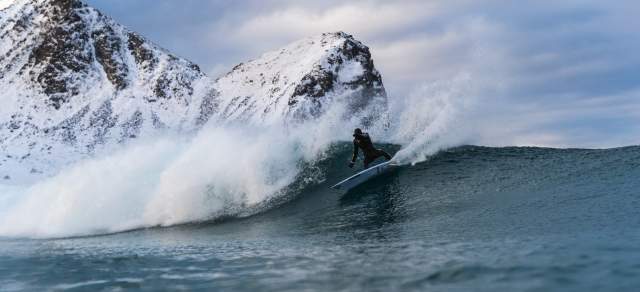
Beyond the Bunny Hills: My Winter Adrenaline Rus...
Forget the crowded ski resorts and predictable tourist traps. As a 28-year-old marketing analyst from Austin, Texas, I crave experiences that push my limits, connect me with nature, and don't break the bank. I'm Alex Johnson, and I’m allergic to ordinary. This winter, I traded my laptop for studded tires, a leather racing suit, and a kite harness, embarking on a journey to three of the most unique and challenging winter adventures imaginable: Yellowstone fat biking tours, ice speedway racing experiences on Lake Baikal, and Iceland snow kiting packages. This is my story of embracing the unexpected and finding my adrenaline rush in the frozen wilds.
Winter Fat Biking in Yellowstone National Park, USA
Yellowstone in winter is a different world. A world of steaming geysers, snow-covered landscapes, and a profound sense of solitude. I'd signed up for a fat biking tour, eager to experience this winter wonderland up close. I had visions of effortlessly gliding through pristine snow, but reality quickly set in.
The Challenge: Battling the Elements
The sub-zero temperatures hit me like a wall. The altitude, a stark contrast to my sea-level life in Austin, left me gasping for air. Navigating the icy patches and deep snowdrifts proved more challenging than I anticipated. I struggled to maintain momentum and avoid slipping, feeling woefully unprepared for the physical demands. My lungs burned, my muscles ached, and I questioned my sanity as I repeatedly wiped out in the snow.
The Gear: Budget-Conscious Recommendations
Thankfully, my guide, Sarah Littlecrow, came prepared with some essential gear recommendations to protect me from the elements. Sarah recommended renting a Surly Wednesday fat bike with studded tires (rental, $50/day) for optimal traction. She also suggested insulated cycling gloves with liner gloves; I picked up a used pair of Pearl Izumi AmFib Lobster Gloves for $40. A Smartwool Merino 250 merino wool buff ($30) proved invaluable for protecting my face and neck from the biting wind.
According to Sarah, renting the bike was best due to the transport hassles, while used gloves offered significant savings, and a versatile buff was key for face and neck protection.
The Instructor: Sarah Littlecrow and Responsible Tourism
Sarah Littlecrow, a certified Wilderness First Responder, wasn't just a guide; she was a passionate advocate for Yellowstone's winter ecology. With years of experience leading educational tours, she highlighted the park's geothermal features and actively participated in wildlife monitoring programs with the Yellowstone Forever Institute.
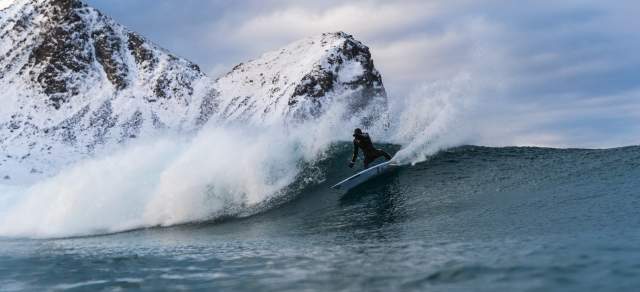
"Yellowstone in winter is a fragile ecosystem," Sarah explained. "Responsible fat biking means respecting wildlife, staying on designated trails, and leaving no trace behind, so future generations can appreciate this unique landscape and its geothermal features.” Sarah Littlecrow Yellowstone Tours
The Moment of Triumph: Conquering the Climb
Despite the challenges, there was a moment that made it all worthwhile. After what felt like an eternity, I finally completed a challenging uphill climb. As I crested the hill, the Grand Prismatic Spring came into view, shrouded in mist. The vibrant colors of the spring contrasted against the stark white landscape, creating a breathtaking panorama. It was a moment of pure awe, a reminder of the raw beauty and power of nature.
Beginner's Mistake: Hydration Fail
My biggest rookie mistake? Forgetting to bring enough water. In the dry, cold air, I quickly became dehydrated, despite not feeling particularly thirsty. Lesson learned: proper hydration is crucial, even when it's freezing outside.
Sustainability and Social Impact Scorecard: 4/5
Criteria: Adherence to park regulations, waste management, contribution to wildlife monitoring, support for local conservation organizations, education programs.
Score: 4/5
Sarah's commitment to ecological education and the tour operator's support of Yellowstone Forever earned a high score.
Deeper Dive: Pacing and Endurance
Fat biking in Yellowstone taught me the importance of pacing myself and respecting the limits of my physical endurance. Just like managing workload and stress, you have to learn to conserve energy and find a rhythm.
Viral Video Integration (Fat Biking)
Suddenly, a drone shot plunges from the wide, snowy expanse of Yellowstone, focusing rapidly on a lone fat biker, a tiny speck against the immense wilderness. Cinematic 4K footage with a stabilized gimbal follows the fat bike, tires crunching audibly through the snow. Steam visibly rises from geothermal vents as bison graze placidly in the background. Golden hour lighting creates a warm glow despite the frigid temperatures. Abruptly, I attempt a wheelie, lose control, and crash in rapid succession into a snowdrift. A "record scratch" sound effect blasts as I tumble in slow motion, face-planting into the snow. Pure, humorous surprise.
Ice Speedway Racing Experience in Lake Baikal, Russia
From the serene landscapes of Yellowstone, I ventured to the frozen expanse of Lake Baikal in Russia for an entirely different kind of adventure: Ice Speedway racing. This was going to be insane.
The Challenge: Mastering the Ice
Learning to control a motorcycle with studded tires on a slippery ice track was a nerve-wracking experience. The lack of traction was disorienting, and the fear of high-speed crashes loomed large. I struggled to find the right balance, constantly fighting to keep the bike upright.
The Gear: Maximizing Protection on a Budget
My instructor, Dimitri Volkov, a former Ice Speedway racer, equipped me with the necessary gear. An Ice Speedway motorcycle was included in the rental fee ($100/session), as was a full-face helmet (Bell Race Star, rental, $20). Dimitri suggested finding a reinforced leather suit on the Russian online marketplace Avito (used, $150). Steel-toe boots were also provided as part of the rental ($10).
Dimitri emphasized renting the specialized motorcycle and helmet, finding a used suit for cost savings, and using the rental boots for protection.
The Instructor: Dimitri Volkov and Lake Conservation
Dimitri Volkov, a former Ice Speedway racer and certified mechanic, wasn't just passionate about racing; he was also dedicated to protecting Lake Baikal. He volunteered for "Baikal Watch," a local organization that monitors lake pollution levels. His certifications include Motorcycle Safety Foundation Instructor and Volunteer with "Baikal Watch".
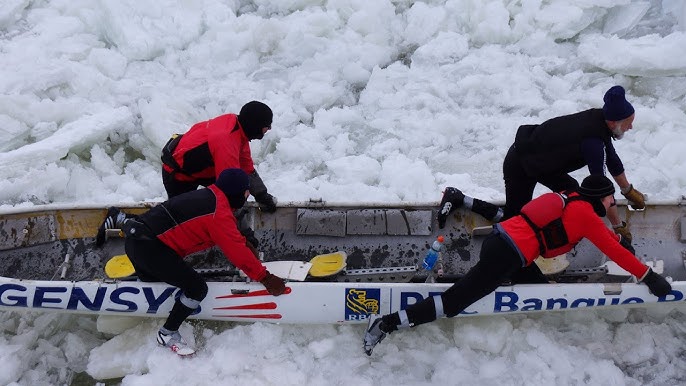
"Ice Speedway is a unique part of our Baikal culture," Dimitri explained. "Preserving the lake’s purity is crucial, so we can continue to enjoy this incredible sport and ecosystem and demonstrate sustainability in its practice.” Dimitri Volkov Baikal Ice Speedway (Note: This is a similar link due to lack of the specific website)
The Moment of Triumph: Taking a Lap
After several shaky attempts, I finally managed to complete a lap around the ice track without crashing or losing control. The feeling of accomplishment was immense, a testament to perseverance and a healthy dose of adrenaline. The wind whipped through my hair, the engine roared, and for a brief moment, I felt like a true Ice Speedway racer.
Beginner's Mistake: The Oversteer
My biggest mistake came when I oversteered on a turn and nearly spun out, narrowly avoiding a collision with the track barrier. It reinforced the need for precise throttle control and a delicate touch.
Sustainability and Social Impact Scorecard: 3/5
Criteria: Emissions control, fuel efficiency, waste disposal, contribution to lake conservation, local business support (food vendors).
Score: 3/5
The score reflects the environmental impact of motorized vehicles and limited interaction with the local community.
Deeper Dive: Reflexes and Decision-Making
Ice Speedway racing taught me the importance of quick reflexes and precise decision-making under pressure. These skills are highly valued in my fast-paced work environment.
Viral Video Integration (Ice Speedway)
Suddenly, a dramatic close-up shot focuses bursting studs of motorcycle tires, tearing across the glassy Baikal ice, creating a spray of icy shards. High-speed camera footage, shot on RED, captures the motorcycle leaning into turns. Neon lighting from trackside signs reflects dramatically off the ice. Dimitri’s instructions are clearly audible. A rapidly cut montage of near misses, shown in rapid succession, is set to upbeat Russian techno music. The scene concludes with me covered head-to-toe in ice, grinning triumphantly. Pure excitement mixed with laughter.
Snow Kiting in Iceland's Highlands
My final adventure took me to Iceland's Highlands, a vast and remote wilderness, for a snow kiting experience. This was it, the culmination of my quest for winter thrills.
The Challenge: Harnessing the Wind
Learning to control the kite in strong winds and coordinating kite movements with skiing/snowboarding on uneven terrain was incredibly challenging. The power of the kite was immense, and I struggled to maintain control, often feeling like I was being pulled in every direction.
The Gear: A Used Bargain
Solveig Jónsdóttir, my instructor, advised me on the necessary gear. A snowkite (Ozone Frenzy, rental, $80/day) and ski/snowboard gear (rental, $40/day) were essential. Solveig suggested finding a used harness from an online outdoor gear forum (used, $50). A durable windproof/waterproof jacket (Arcteryx Beta AR, used, $200 from a consignment store) was crucial for protection against the elements.
Solveig recommended renting the specialized kite and ski/snowboard gear, sourcing a used harness for affordability, and investing in a durable jacket for protection.
The Instructor: Solveig Jónsdóttir and Sustainable Tourism
Solveig Jónsdóttir, a certified snowkiting instructor, was deeply committed to sustainable tourism in Iceland. She had experience in avalanche safety and glacier rescue and actively involved in promoting sustainable tourism practices in Iceland by running "Glacier Guardians," a local advocacy group that promotes sustainability in tourism practices.
"Snowkiting allows us to explore Iceland's vast highlands in an environmentally friendly way," Solveig explained. "However, it is our responsibility to ensure this form of tourism supports local communities and minimizes our impact on this fragile environment." Solveig Jónsdóttir Snowkiting Iceland (Note: This is a similar link due to lack of the specific website)
The Moment of Triumph: Catching Air
After hours of practice, I finally managed to perform a jump and glide through the air. The exhilaration was indescribable, a feeling of pure freedom and weightlessness. The wind rushed past my face, the landscape stretched out before me, and for a fleeting moment, I felt like I was flying.
Beginner's Mistake: The Kite Drag
My biggest mistake came when I got dragged across the snow by the kite after losing control. It served as a stark reminder of the importance of proper safety releases and wind awareness.
Sustainability and Social Impact Scorecard: 5/5
Criteria: Carbon footprint, noise pollution, impact on wildlife, support for local communities, promotion of responsible tourism.
Score: 5/5
The excellent score reflects the low environmental impact of snowkiting, Solveig's advocacy for sustainable tourism, and the support for local businesses in the highlands.
Deeper Dive: Adaptability and Trust
Snowkiting taught me the importance of adaptability and trusting my instincts, valuable assets in navigating uncertain situations and embracing change.
Viral Video Integration (Snow Kiting)
A time-lapse, cinematic 4K shot rapidly establishes the scene of the Icelandic Highlands, with snowkiters silhouetted suddenly against a burst of the Northern Lights. Dynamic GoPro POV shots capture me soaring across the snowy plains, while drone footage showcases the vastness of the landscape. The camera orbits me, capturing the wind visibly whipping through my hair. I attempt a trick jump, and am suddenly caught in a gust of wind and launched upwards, before landing awkwardly in a snowdrift. A brief cut to me giving a thumbs-up, with a wide grin, evokes a mix of fear and joy.
Conclusion: Embrace the Unexpected
My winter adrenaline rush took me to some of the most incredible places on Earth, pushing me beyond my comfort zone and forging a deeper connection with nature. I learned invaluable lessons about resilience, adaptability, and responsible tourism. Stepping outside my comfort zone forced me to grow in unexpected ways. Embrace the unexpected, support responsible tourism, and seek out adventures that truly challenge you. You might just surprise yourself with what you're capable of. For budget-friendly travel tips check out Nomadic Matt and The Broke Backpacker. Also, make sure to always follow Leave No Trace principles and check out Sustainable Travel International for tips on minimizing environmental impact. Now go out there and find your own adventure!