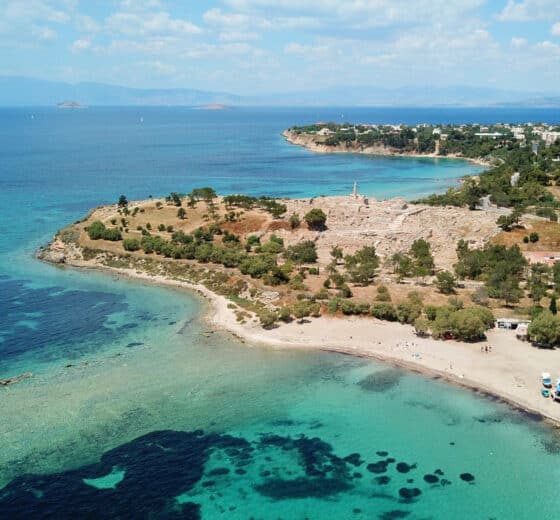
Beyond the Brochure: Sustainable and Thrilling O...
Imagine a world where your wanderlust aligns perfectly with protecting our planet. This isn’t just a dream; it's the reality of sustainable ocean adventures. We're moving beyond the brochure, exploring exotic locations while minimizing our impact and maximizing the positive effects on local communities and marine ecosystems. From sailing the Greek Islands to diving with manta rays and hammerhead sharks, prepare to be inspired by thrilling experiences that prioritize responsibility and responsible marine tourism. This blog post will highlight three exceptional eco-conscious adventures, equipping you with practical information and inspiring you to be an informed and responsible traveler.
Sustainable Sailing Vacations in the Greek Islands
Imagine waking to the gentle rocking of a sailboat, the turquoise waters of the Aegean lapping against the hull. This isn’t your typical crowded cruise; it’s a sustainable sailing Greek Islands adventure through the unspoiled Greek Islands. Forget the packed tourist traps; we're diving into the heart of authentic Greek culture and breathtaking landscapes while treading lightly on the environment.
Discovering Hidden Gems: Milos, Folegandros, and Koufonisia
Trade the throngs of Santorini for the serene beauty of Milos, Folegandros, and Koufonisia. These islands offer a glimpse into the authentic Greek lifestyle, far removed from mass tourism.
- Milos: Renowned for its volcanic landscapes, hidden coves, and stunning beaches like Sarakiniko, Milos offers a unique geological experience. Explore the island’s rich mining history and discover secluded swimming spots accessible only by boat. A Milos sailing vacation allows you to uncover hidden gems and enjoy the island's natural beauty at your own pace.
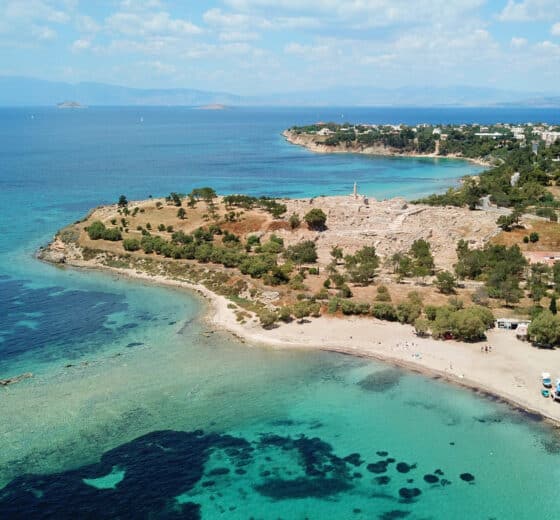
A sustainable sailing vacation around the island of Milos, Greece, offers travelers the chance to explore its unique volcanic landscapes and hidden coves while minimizing their environmental impact.
Folegandros: Characterized by its traditional architecture, clifftop villages, and breathtaking views of the Aegean Sea, Folegandros is a haven of tranquility. Hike to the Panagia church for panoramic sunsets and wander through the charming streets of Chora. Opting for Folegandros eco-tourism allows you to support the island's commitment to preserving its natural and cultural heritage.
Koufonisia: Famous for its pristine beaches, laid-back atmosphere, and crystal-clear waters, Koufonisia is a paradise for beach lovers. Swim in the emerald pools of Pori Beach and explore the island's hidden caves. Sailing to Koufonisia beaches allows you to experience the island's unspoiled beauty without contributing to overcrowded ferries and resorts.
Why Sailing is a Sustainable Choice
Sailing offers a significantly reduced carbon footprint compared to large cruise ships. Smaller vessels use less fuel, minimizing greenhouse gas emissions and reducing the impact on marine ecosystems. Furthermore, sailing vacations often support local businesses, providing economic benefits to island communities. What makes sailing sustainable Greece involves embracing a slower pace, respecting local traditions, and minimizing waste.
Responsible Travel Tips for the Greek Islands
- Minimize Waste: Reduce your plastic consumption by bringing a reusable water bottle, shopping bag, and avoiding single-use plastics.
- Use Reef-Safe Sunscreen: Protect marine life by using sunscreen that is free of harmful chemicals like oxybenzone and octinoxate.
- Respect Marine Life: Avoid touching or disturbing marine animals and their habitats.
- Support Local Communities: Choose locally owned restaurants, shops, and accommodations to support the local economy.
- Consider biodegradable soaps and shampoos: Many travel sized soaps are available that greatly reduce your footprint.
Tour Operators Committed to Sustainability
- Sail Aegean: Offers small-group sailing tours with a focus on sustainability and cultural immersion. Sail Aegean (example link)
- Greek Island Hopping Adventures: Provides eco-friendly sailing itineraries and supports local conservation initiatives. Greek Island Hopping Adventures (example link)
Both operators are vetted to ensure they uphold the highest standards when it comes to sustainability and carbon-neutral operations.
The Importance of Preserving the Aegean Sea
The Aegean Sea is a delicate ecosystem that is vulnerable to the impacts of unsustainable tourism. Pollution from cruise ships, plastic waste, and habitat destruction all pose significant threats. By choosing sustainable sailing vacations and practicing responsible travel Greece, we can help protect this precious environment for future generations. What is the impact of tourism on Greek marine life? Unsustainable tourism can lead to habitat degradation, pollution, and disruption of marine ecosystems.
Get Involved: Conservation Projects in the Greek Islands
Support local conservation initiatives, such as beach cleanups and marine conservation programs. Many organizations offer volunteer opportunities for travelers who want to make a positive impact.
- Volunteer for a beach cleanup in Milos.
- Support marine conservation research in Folegandros.
- Donate to organizations protecting the Aegean Sea's marine life.
Freediving with Manta Rays in the Maldives
Picture yourself gliding effortlessly through the crystal-clear waters of the Maldives, surrounded by the graceful dance of manta rays. This is freediving – a meditative experience connecting you with nature's gentle giants. Unlike scuba diving, freediving requires only breath-holding, allowing for a more intimate and silent interaction with marine life.
Baa Atoll: A Manta Ray Hotspot
Baa Atoll, a UNESCO Biosphere Reserve, is renowned for its high concentration of manta rays, especially during the southwest monsoon season (May to November). The nutrient-rich waters attract large aggregations of mantas, offering unparalleled opportunities for freediving manta rays Maldives. When is the best time to see manta rays in Maldives? The best time is during the southwest monsoon season (May to November), when plankton blooms attract large numbers of manta rays to Baa Atoll.
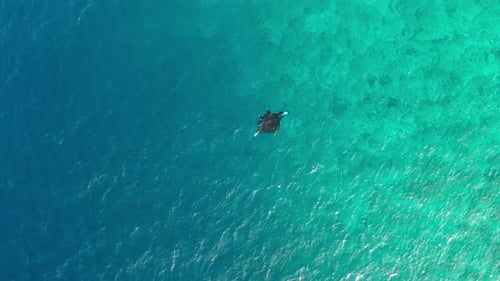
Freediving with manta rays in Baa Atoll, Maldives, offers an incredible opportunity to respectfully observe these gentle giants in their natural habitat while promoting sustainable tourism practices.
Ethical Guidelines for Freediving with Mantas
Ethical manta ray tourism best practices emphasize minimal disturbance and respect for the animals' natural behavior. It’s crucial to maintain a safe distance from the mantas, avoid touching them, and never chase or harass them. Responsible freediving ensures that these magnificent creatures can continue to thrive in their natural environment.
- Maintain a safe distance: Observe mantas from a respectful distance to avoid disturbing their natural behavior.
- Avoid touching or chasing: Never touch, chase, or harass manta rays.
- Limit your time: Limit your time in the water to minimize disturbance to the mantas.
- Use proper buoyancy control: Maintain neutral buoyancy to avoid damaging coral reefs.
Supporting Manta Ray Conservation
The Manta Trust is a leading organization dedicated to the research and conservation of manta rays worldwide. They work closely with local communities and governments to protect manta ray habitats and promote sustainable tourism practices. Support their work by donating, volunteering, or choosing tour operators that contribute to their conservation efforts.
Recommended Freediving Operators
- Blue Divers Maldives: Committed to sustainable practices and manta ray conservation, offering ethical freediving experiences. Blue Divers Maldives (example link)
- Four Seasons Landaa Giraavaru: Offers luxury accommodations and responsible freediving excursions with a focus on manta ray education. Four Seasons Landaa Giraavaru (example link)
Responsible Travel Tips for the Maldives
- Use reef-safe sunscreen: Protect coral reefs and marine life by using sunscreen that is free of harmful chemicals.
- Avoid single-use plastics: Bring a reusable water bottle, shopping bag, and avoid single-use plastics.
- Support local communities: Choose locally owned businesses and accommodations to support the local economy. How do sustainable tours benefit local communities in Greece, Maldives, and Costa Rica? Sustainable tours benefit local communities by creating jobs, supporting local businesses, and promoting cultural preservation.
- Respect local customs: Dress modestly and be respectful of local customs and traditions.
The Importance of Manta Ray Conservation
Manta rays face numerous threats, including entanglement in fishing gear, habitat destruction, and the demand for their gill plates in traditional medicine. Protecting their habitat and promoting sustainable tourism are crucial for ensuring their survival. What are ethical manta ray tours? Ethical manta ray tours prioritize the well-being of the animals by maintaining a safe distance, avoiding disturbance, and supporting conservation efforts.
Get Involved: Protecting Manta Rays
Participate in citizen science initiatives to monitor manta ray populations. Report any sightings of injured or entangled manta rays to the appropriate authorities. Support organizations that are working to protect manta ray habitats.
Scuba Diving with Hammerhead Sharks in Cocos Island, Costa Rica
Venture to the remote Cocos Island, a legendary underwater paradise where hammerhead sharks congregate in massive schools. This is scuba diving at its most exhilarating and rewarding. Cocos Island, a UNESCO World Heritage Site, is a haven for marine biodiversity, attracting divers from around the world seeking unforgettable encounters with sharks, rays, and other marine life.
The Unique Ecosystem of Cocos Island
Cocos Island, located approximately 340 miles off the coast of Costa Rica, is a remote volcanic island teeming with marine life. The island's isolation has allowed its unique ecosystem to thrive, making it a hotspot for biodiversity. Divers can encounter hammerhead sharks, whale sharks, dolphins, rays, and a variety of other marine species.
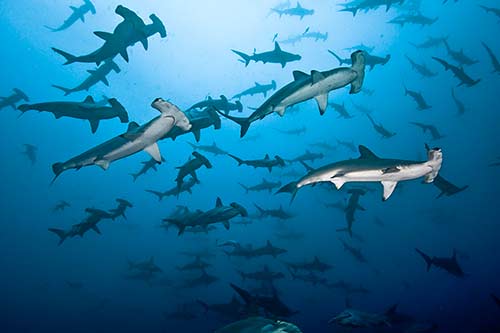
Scuba diving with hammerhead sharks in Cocos Island, Costa Rica, promises an unforgettable underwater adventure while also supporting crucial shark conservation efforts and promoting marine biodiversity.
Challenges and Unparalleled Rewards
Diving in Cocos Island can be challenging due to strong currents and limited visibility. However, the unparalleled rewards of witnessing the sheer abundance of marine life make it all worthwhile. The experience of swimming through a school of hundreds of hammerhead sharks is something that divers never forget.
Protecting Shark Populations
The Cocos Island Marine Conservation Area plays a vital role in protecting the shark populations from illegal fishing and poaching. Ongoing conservation efforts are essential for ensuring the long-term survival of these magnificent creatures. Divers can support these efforts by choosing sustainable dive operators and donating to conservation organizations. Where to dive hammerheads responsibly? Cocos Island offers responsible diving opportunities with hammerhead sharks, provided you choose tour operators committed to sustainability and shark conservation.
Recommended Dive Operators
- Undersea Hunter Group: Committed to sustainable practices and shark conservation, offering unforgettable diving experiences in Cocos Island. Undersea Hunter Group (example link)
- Okeanos Aggressor: Offers luxurious liveaboard diving trips with a focus on responsible tourism and marine conservation. Okeanos Aggressor (example link)
How to choose a sustainable dive operator Cocos Island? Look for operators with certifications, a commitment to marine conservation, and a focus on responsible diving practices.
Responsible Travel Tips for Cocos Island
- Minimize your environmental impact: Reduce your plastic consumption, use reef-safe sunscreen, and avoid touching or disturbing marine life.
- Support local conservation efforts: Donate to organizations that are working to protect the Cocos Island Marine Conservation Area.
- Respect marine life: Maintain a safe distance from sharks and other marine animals and avoid feeding them. How can I minimize my carbon footprint while traveling to these locations? Consider carbon offsetting programs, pack light, and choose direct flights to minimize your carbon footprint.
The Threats to Hammerhead Sharks
Hammerhead sharks face numerous threats, including overfishing, habitat destruction, and the demand for their fins in the shark fin trade. Protecting their habitat and promoting sustainable fishing practices are crucial for their survival. Sustainable dive trips Costa Rica Cocos Island help support local conservation efforts and protect hammerhead shark populations from overfishing.
Get Involved: Supporting Shark Conservation
Participate in shark tagging and monitoring programs. Support organizations that are working to protect hammerhead shark habitats. Educate others about the importance of shark conservation.
Conclusion: Your Journey to Sustainable Ocean Adventures
The ocean holds endless possibilities for adventure, but it's our responsibility to explore it sustainably. By choosing eco-conscious travel options, respecting marine life, and supporting local communities, we can ensure that these incredible experiences are available for future generations. So, pack your bags, embrace the spirit of responsible marine tourism, and embark on a journey that not only thrills but also protects the precious oceans we all share.
Ready to dive in? Book Sustainable Sailing Greece Tour today! Link to Booking Page (example link)