Beyond the Beak Count: My Pantanal Awakening as...
Before embarking on my Pantanal adventure, I was, admittedly, a bird photography numbers chaser. The goal was ambitious: photograph over 100 bird species in Brazil's vast wetland. My arsenal was meticulously curated: a Canon EOS R5 paired with a Canon EF 600mm f/4L IS III USM lens, a sturdy tripod, and a gimbal head for those crucial static shots. For the more dynamic situations, especially shooting from boats, I packed a smaller, lighter Canon EOS R6 with a Canon RF 100-500mm f/4.5-7.1L IS USM lens. Little did I know that the Pantanal had a far more profound lesson in store for me, one that went far beyond a mere species count. This trip opened my eyes to the importance of Pantanal ecotourism birding, a world where responsible travel is prioritized.
River Rhapsody: A Multi-Day Expedition on the Rio Cuiabá
My journey truly began with a multi-day river expedition on the Rio Cuiabá, near Porto Jofre, known for its concentrated wildlife. The thrill of photographing wildlife from a constantly moving boat is undeniable, but it’s also incredibly challenging.
Jaguars and Jitters: Photographing from a Boat
One of the biggest draws of this area is the chance to see jaguars. Spotting one lounging on the riverbank was exhilarating, but capturing a sharp image from a bobbing boat? That’s another story. I quickly learned to anticipate the boat's movements, pre-focus on likely spots, and bump up my ISO to maintain a fast shutter speed (typically around 1/2000s or faster). Despite my best efforts, many shots ended up blurry, a testament to the jaguar's stealth and the Pantanal's unpredictable nature.
The Elusive Agami Heron
Then there was the Agami Heron, a bird I desperately wanted to photograph. These shy birds are masters of camouflage, melting seamlessly into the dense foliage. Trying to track them through the viewfinder, compensating for the boat's motion and the dim light under the canopy, was incredibly frustrating. There were near-misses, blurry shapes, and fleeting glimpses. But then, there was a moment of pure magic: a brief clearing, a shaft of sunlight, and the Agami Heron perfectly framed. Those are the moments that make all the frustrations worthwhile.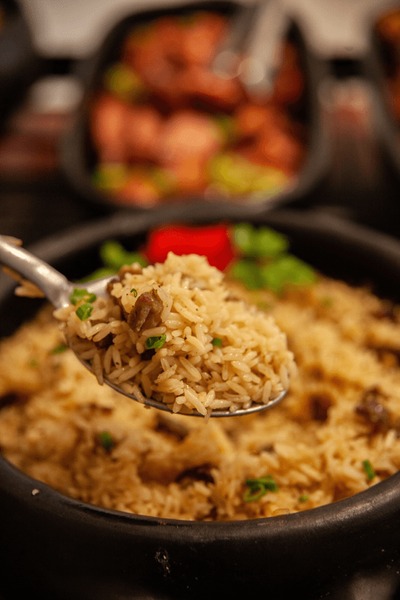
Beyond the River: Exploring the Pantanal's Diverse Landscapes
The Pantanal is far more than just rivers. I also ventured out on horseback, traversing the flooded grasslands, a classic Pantanal experience.
Horseback Adventures: Jabiru Storks and Roseate Spoonbills
Riding through the shallow waters, I searched for the iconic Jabiru Stork and the vibrant Roseate Spoonbill. The vastness of the landscape was breathtaking, and photographing these birds in their natural habitat was a completely different experience than shooting from a boat. The key here was patience and a good zoom lens. Keeping the ISO reasonable (around 400-800) allowed me to capture detail in the bright sunlight. The best Pantanal photography tour for beginner birders would definitely include this.
Nocturnal Encounters: Spotlighting Capybaras and Caimans
Night spotlighting offered a glimpse into a different world. We witnessed the nocturnal behavior of capybaras, the world's largest rodents, and caimans, their eyes glowing in the darkness. Photographing these animals required high ISO settings (often exceeding 6400) and a steady hand, but the results were captivating. This really highlights the best time to visit the Pantanal for birding.
Piranha Fishing: A Local Tradition
Finally, I tried piranha fishing with local guides near Porto Jofre. It's a surprisingly engaging activity. The guides showed us the local techniques, using small pieces of meat as bait. It wasn’t particularly challenging, but it was a fun cultural experience. The Pantanal jaguar photography tour often takes a break to experience this activity.
Pantanal Cuisine: A Taste of Brazil
The Pantanal also tantalized my taste buds with its unique cuisine.
A Culinary Journey: Arroz Carreteiro, Sopa Paraguaya, and Grilled Piranha
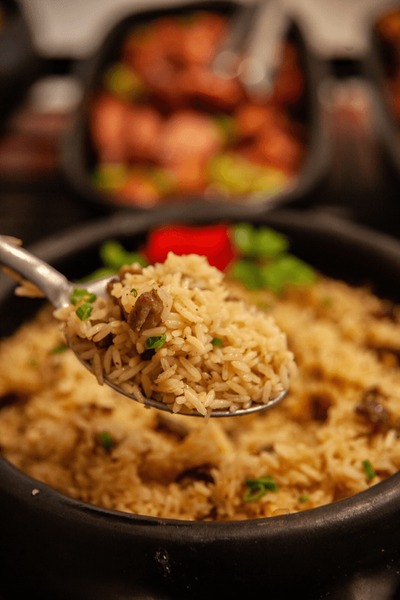
I indulged in local delicacies like arroz carreteiro (cattle driver’s rice), a hearty and flavorful dish; sopa paraguaia (a savory cornbread), surprisingly dense and satisfying; and, of course, grilled piranha. The piranha, freshly caught, was surprisingly delicious, with a delicate, flaky texture.
Food Photography Fails: A Humorous Interlude
I attempted to artistically photograph each dish before devouring it, but my efforts were usually thwarted by poor lighting or my guide, eager to sample the food, quickly snatching it away. Let's just say, I'm better at photographing birds than food!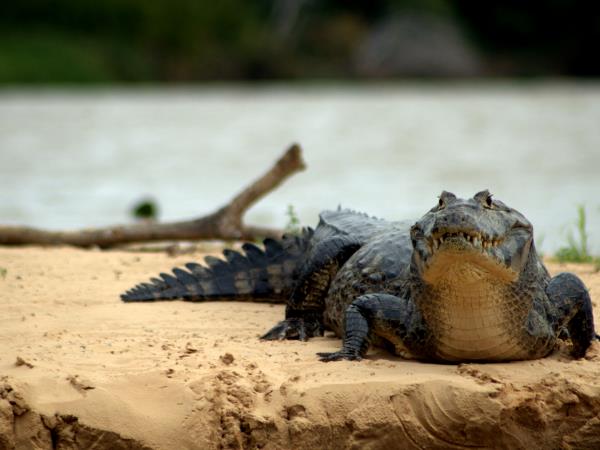
Seasonal Rhythms: The Pantanal's Ever-Changing Landscape
The Pantanal's dramatic seasonal changes are a defining characteristic.
Dry Season vs. Rainy Season: A Tale of Two Landscapes
During the dry season, the earth is parched and cracked, concentrating wildlife around the remaining water sources. In contrast, the rainy season transforms the Pantanal into a vast, flooded plain. These changes significantly impact wildlife behavior.
Nesting Season and Bird Activity
Bird activity is particularly intense during the nesting season, which follows the rains. The flooded plains provide ample food and nesting sites, attracting a huge number of birds. This period offers incredible photographic opportunities. The affordable Pantanal bird photography tour packages will often emphasize these key seasons.
Ethical Considerations: Respecting the Pantanal's Fragile Ecosystem
Wildlife photography comes with responsibilities, especially in a fragile ecosystem like the Pantanal. Sustainable tourism Pantanal Brazil is of the upmost importance for this location.
Minimizing Disturbance: A Photographer's Oath
It's crucial to minimize disturbance to wildlife, avoiding nesting sites, and adhering to responsible photography practices. One day, I spotted a Jabiru Stork tending to its nest. I had a clear shot, but I knew that getting closer would stress the bird. I chose not to take the photo, prioritizing the animal's well-being over my desire for a perfect image.
The Impact of Travel on Animal Wellbeing
There are specific vaccinations needed for travel in Pantanal. Do your research to ensure your travels are safe. Be sure to minimize your environmental impact Pantanal photography so that the nature remains unharmed.
The Importance of Local Guides and Sustainable Tourism
My experience was greatly enriched by hiring local guides. Their knowledge of the Pantanal, its wildlife, and its culture was invaluable. These local guides can also help protect ethical wildlife photography Pantanal Brazil.
Acknowledging and Supporting Local Communities
I particularly remember João, a guide from a local community. His passion for the Pantanal was infectious, and he taught me so much about the interconnectedness of the ecosystem. Supporting sustainable tourism practices ensures that these communities benefit from tourism while protecting the environment.
A Shift in Perspective: From Species Count to Appreciation
My initial obsession with 'species count' gradually faded, replaced by a deeper appreciation for the Pantanal's beauty, the interconnectedness of its ecosystem, and the importance of responsible travel. In the end, focusing on experiencing the environment, rather than just documenting it, enriched my photography and brought me a sense of personal fulfillment that no checklist ever could. Consider booking a Pantanal photography trip with experienced guide for a similar experience.